

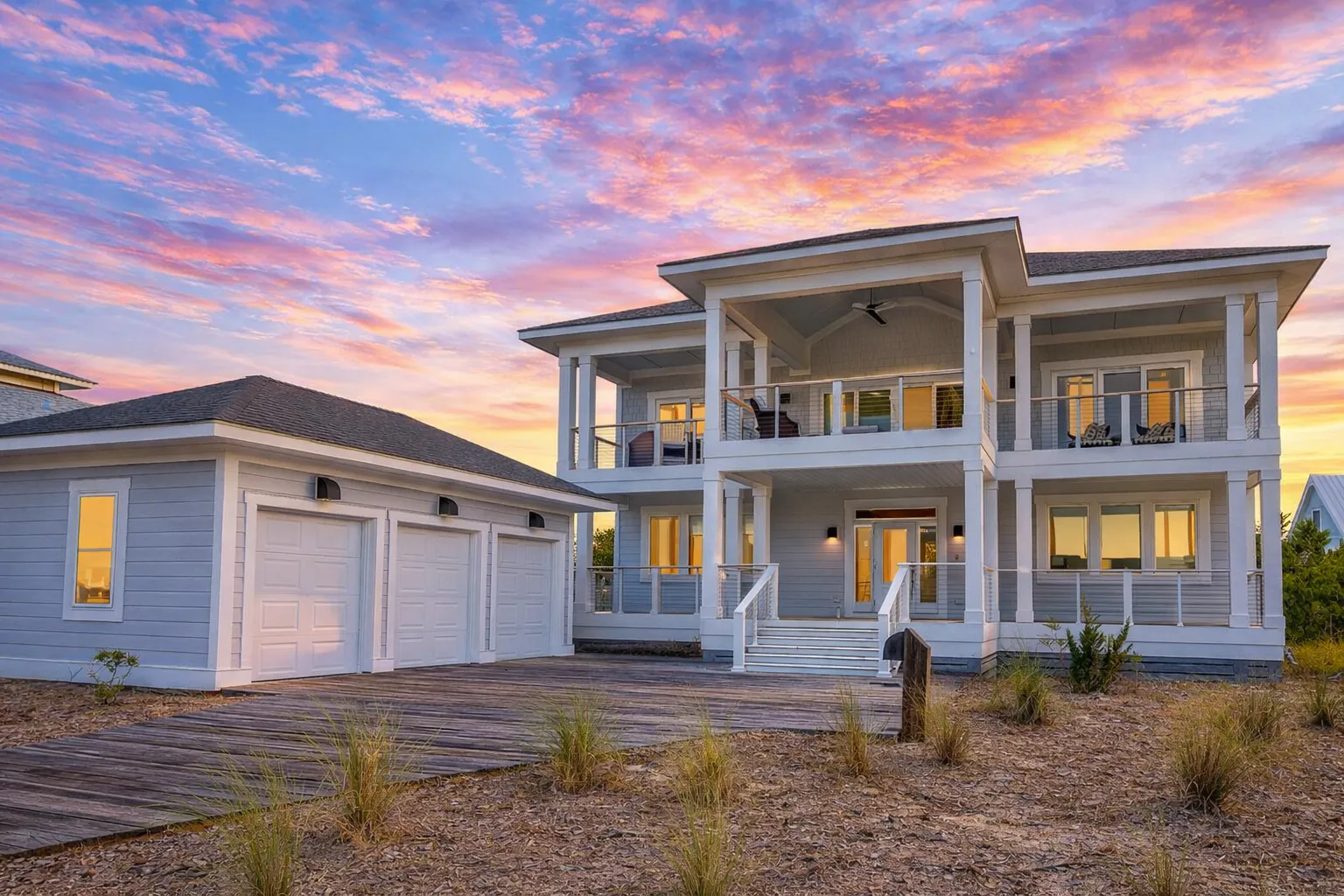
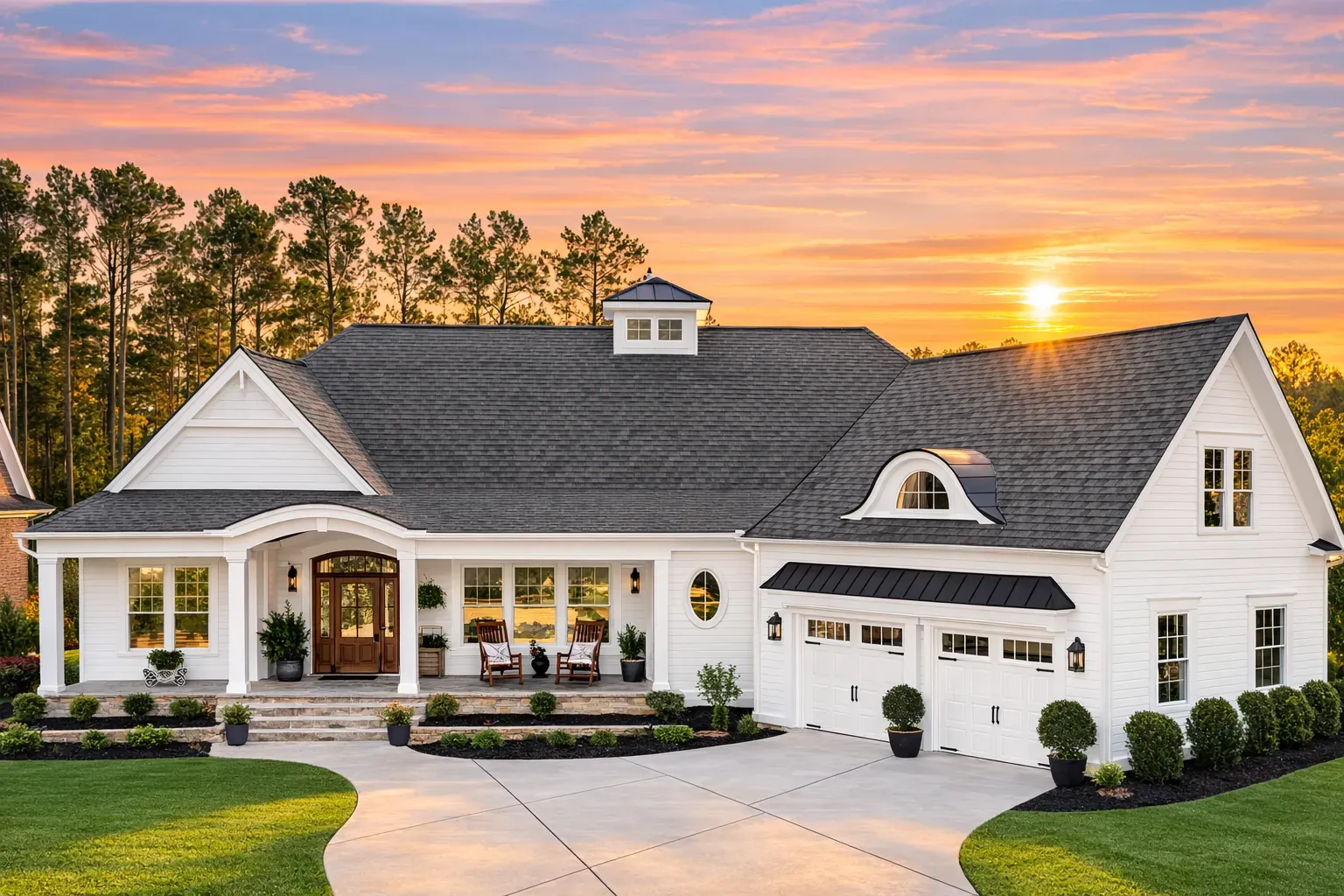
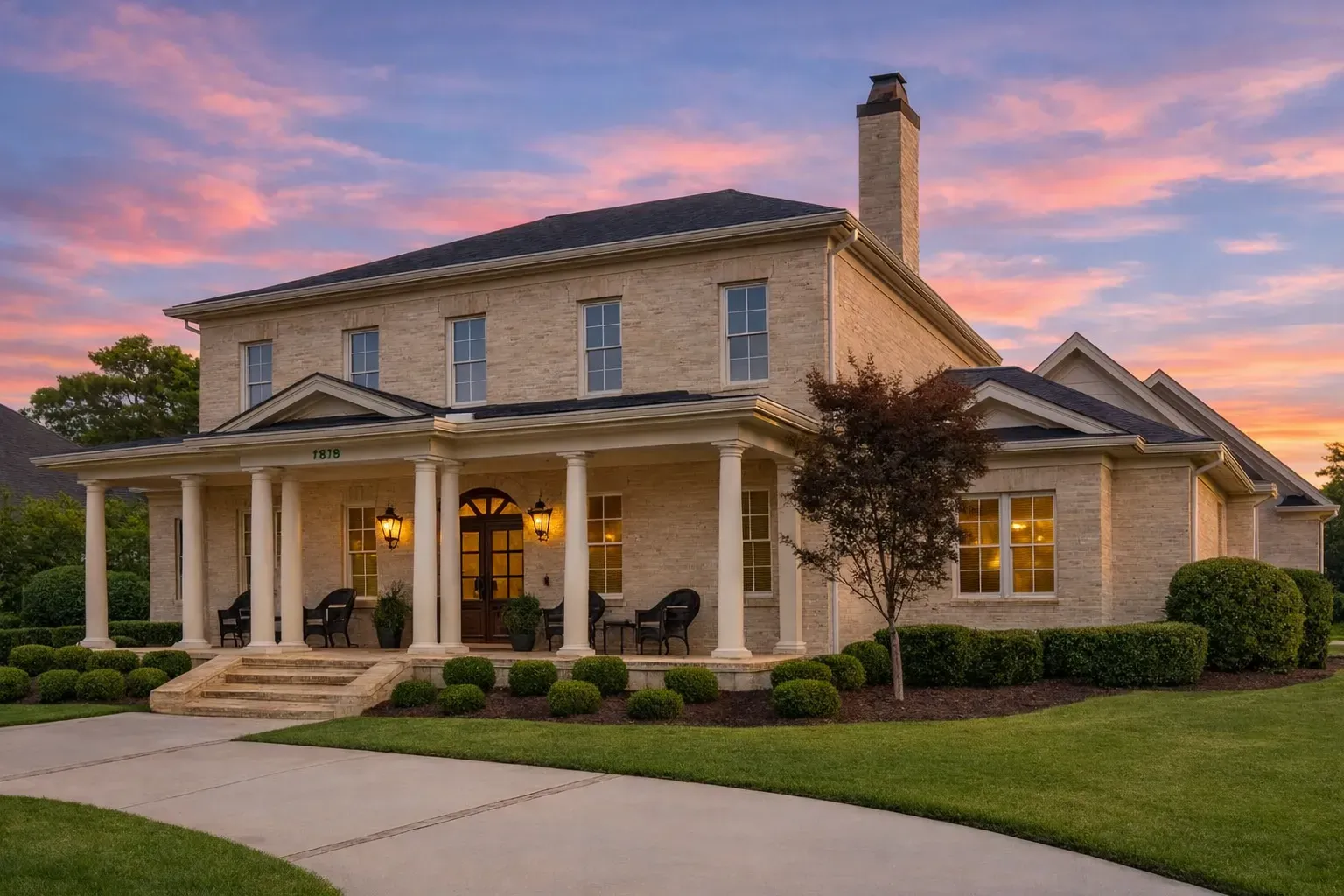
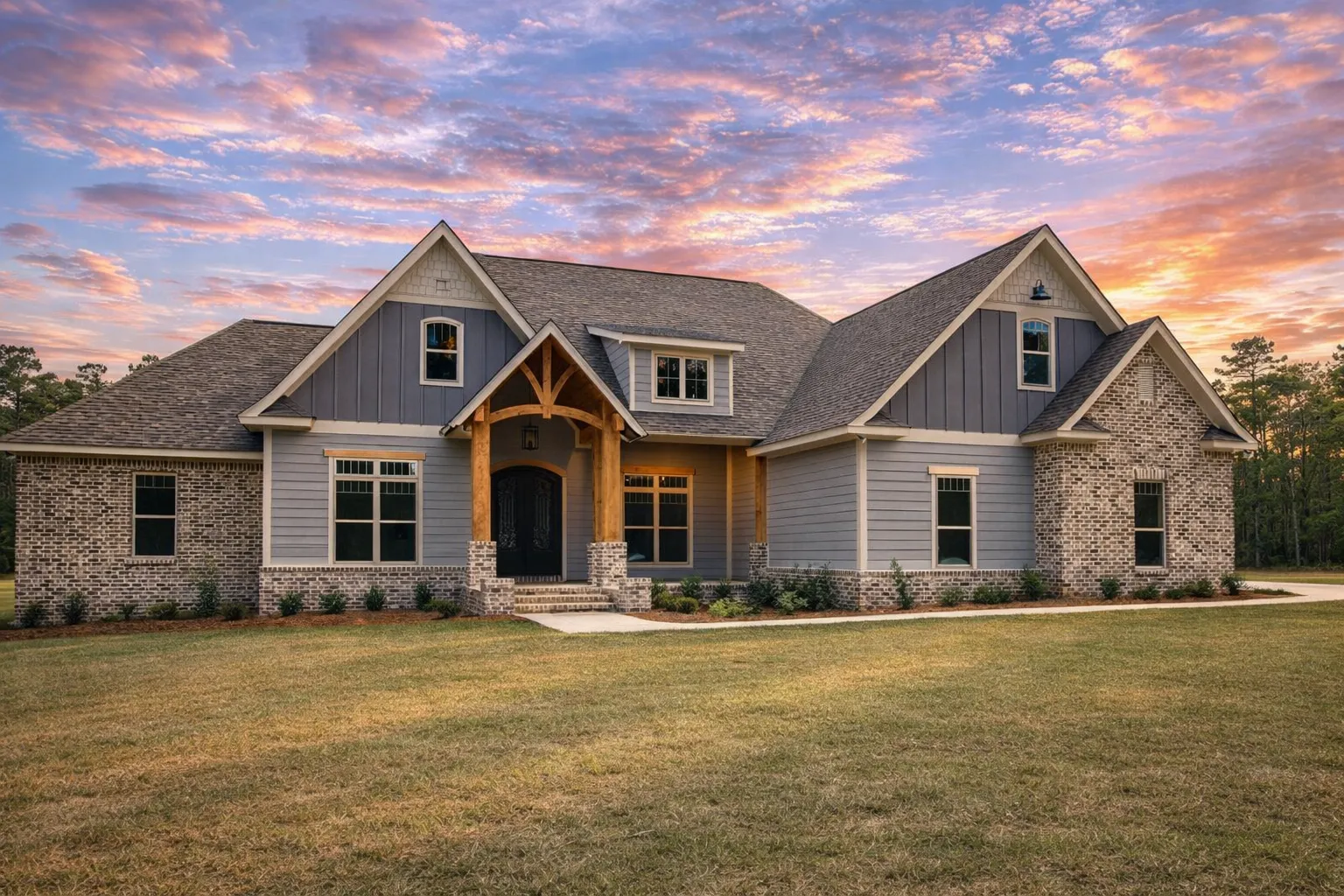
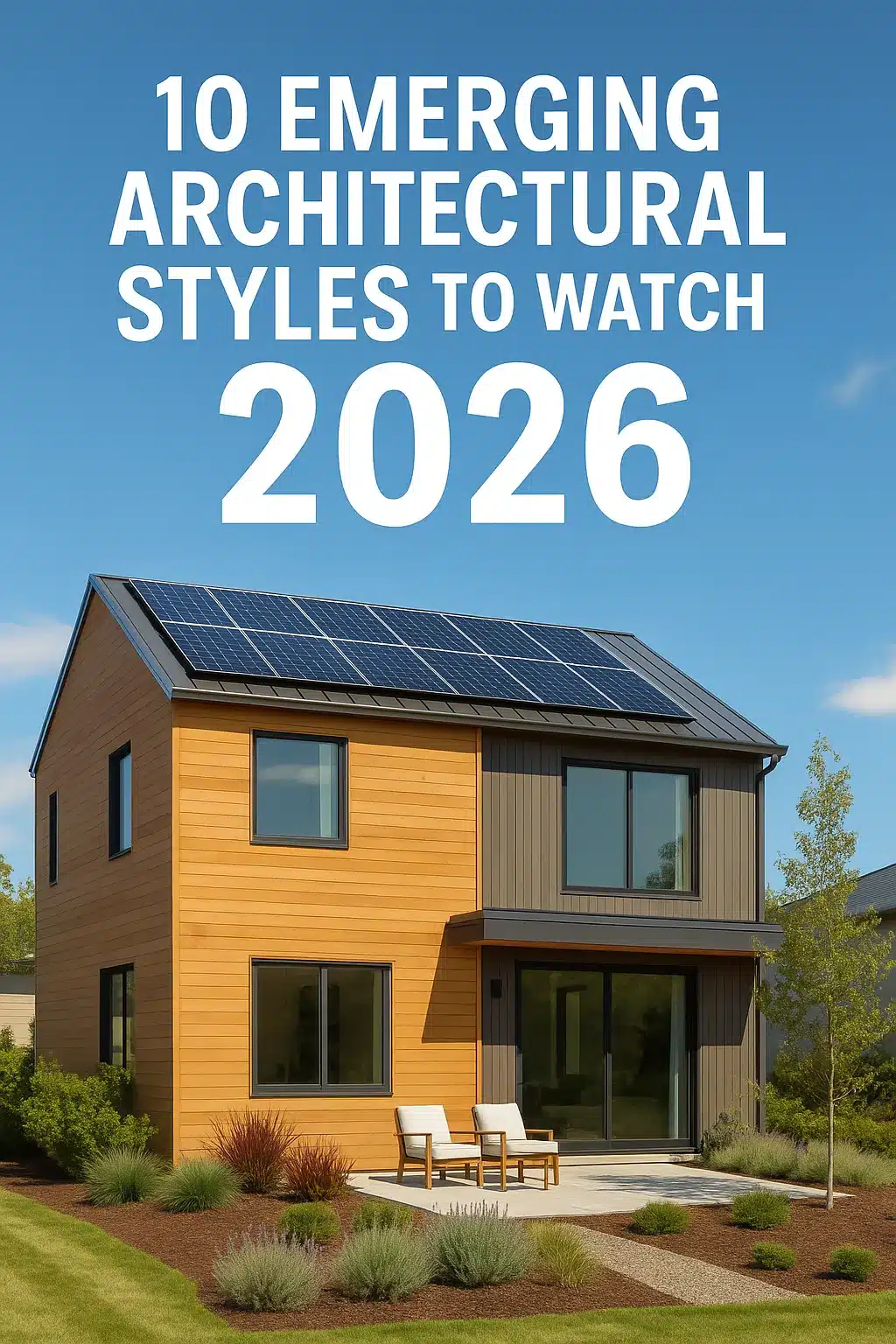
The Dawn of a New Design Era
The architectural world is standing on the edge of a revolution. As we approach 2026, design innovation is no longer just about style — it’s about purpose, sustainability, and the seamless integration of technology with nature. Today’s architects are crafting homes that think, breathe, and adapt. From carbon-negative construction to AI-assisted creativity, the boundaries of what defines “modern architecture” are being reimagined in ways that are as stunning as they are meaningful.
Homeowners and builders alike are demanding more — more energy efficiency, more comfort, and more authenticity. As climate awareness grows and lifestyles shift, design is following suit. We’re seeing the rise of biophilic spaces that reconnect us with the earth, smart modular homes that adapt to modern living, and wellness-driven environments that prioritize human health. Every wall, window, and material now tells a story of intention and innovation.
This new era is about merging art, science, and sustainability into a single vision — one that celebrates both human ingenuity and environmental responsibility. The following trends reveal how 2026’s most forward-thinking architects are shaping a future where technology and nature don’t compete, but collaborate. Welcome to the transformation of home design — where every blueprint begins with purpose and every structure points toward a brighter, smarter, and more connected world.
1) Biophilic Architecture Revival
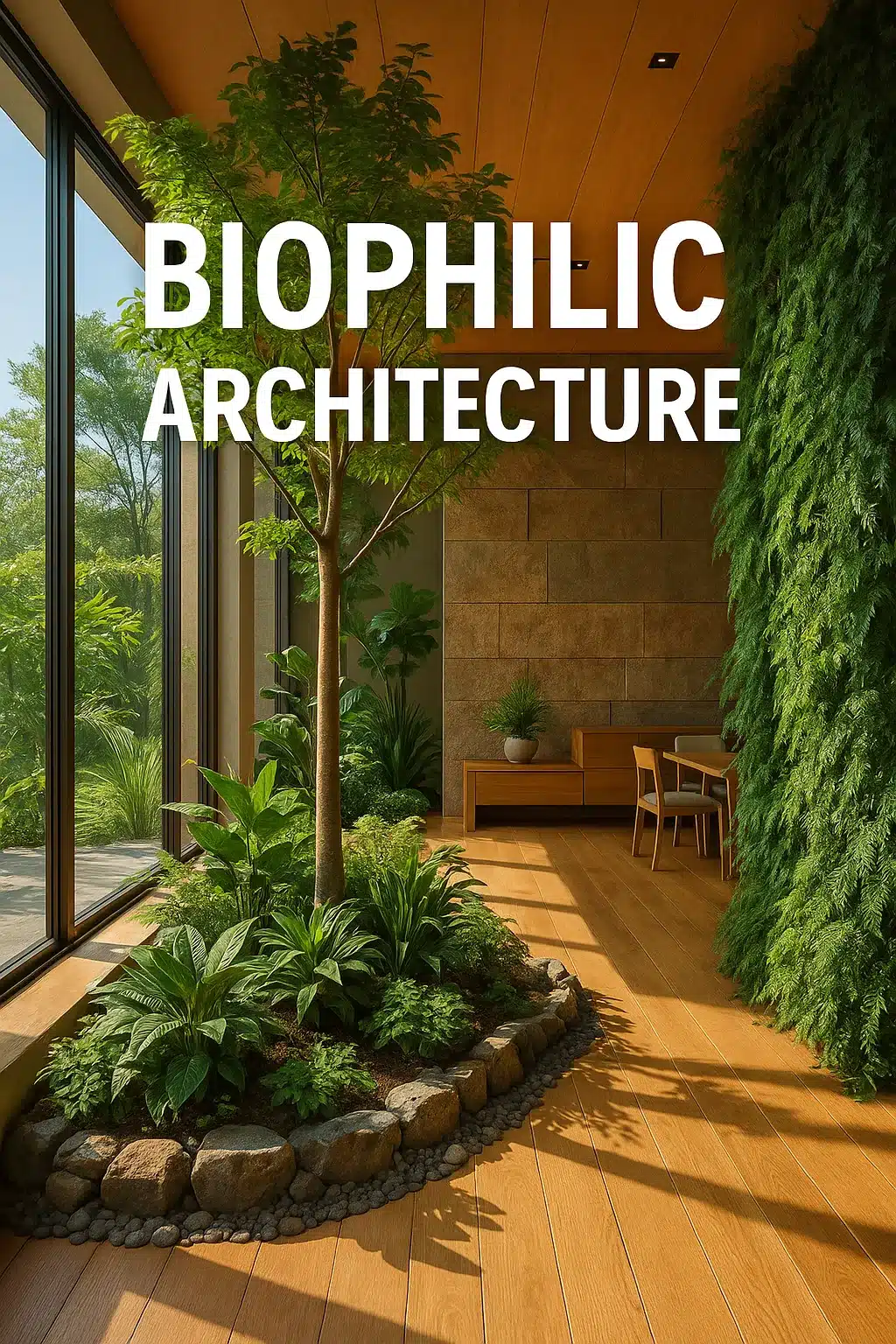
In 2026, the Biophilic Architecture Revival is redefining what it means to live in harmony with nature. This emerging design movement focuses on bringing the outdoors inside, creating spaces that breathe, grow, and nurture well-being. Architects are integrating natural materials like wood, stone, bamboo, and clay alongside lush indoor gardens, water features, and full-height glass walls that flood homes with sunlight. Every detail — from the airflow to the placement of greenery — is carefully crafted to evoke calmness, balance, and a connection to the natural world. It’s not just about aesthetics; it’s about how a home feels to live in.
Modern biophilic homes go beyond simply adding plants — they embody a philosophy of sustainability, mindfulness, and human-centered comfort. Think of open atriums with trees growing through the center, vertical green walls purifying indoor air, and shaded courtyards designed to cool the home naturally. These environments invite light and life to flow through every corner, reducing stress and improving physical health. The revival is a response to urban isolation and the rise of remote work — homeowners want sanctuaries that reconnect them to earth, sunlight, and serenity.
As designers merge technology with ecology, biophilic architecture in 2026 is evolving with smart irrigation systems, temperature-responsive windows, and modular eco-panels that make it easier than ever to live green. Whether it’s a minimalist glass home surrounded by forest views or a contemporary townhouse with an indoor bamboo grove, these spaces remind us that modern comfort doesn’t have to come at the planet’s expense. The future of architecture is living, breathing, and growing — quite literally.
2) Net-Zero & Carbon-Negative Homes
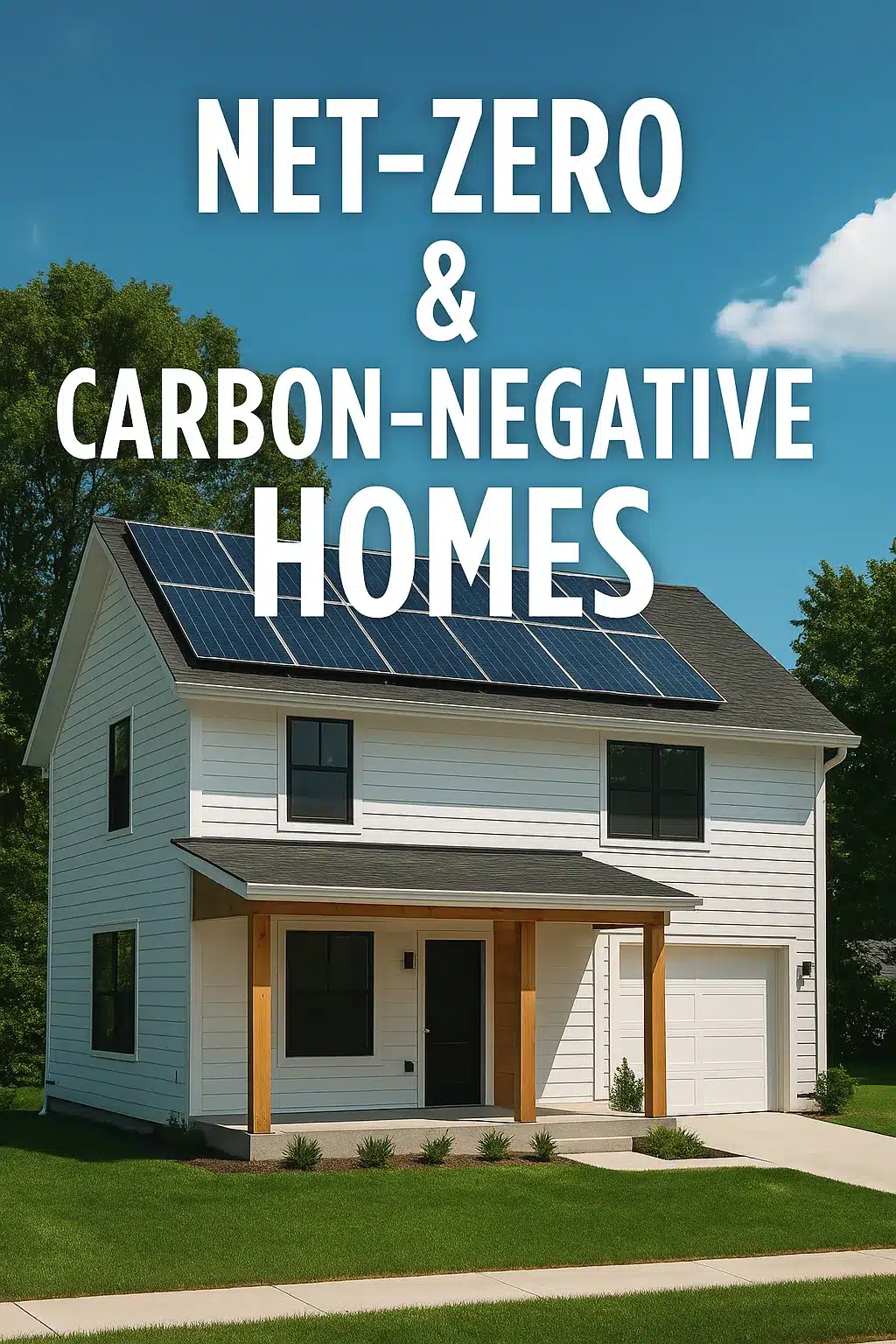
As we move deeper into a climate-conscious decade, the Net-Zero and Carbon-Negative movement stands at the forefront of architectural innovation. By 2026, homes are not only being designed to minimize energy use — they’re being engineered to give back more than they take. A new generation of architects and homeowners are embracing technologies that make sustainability both efficient and stylish. Rooftop solar systems, geothermal loops, green roofs, and ultra-insulated walls are now integrated into modern designs that look as stunning as they are smart.
Net-zero homes are built to produce as much energy as they consume through renewable systems, while carbon-negative architecture goes even further, actively offsetting emissions through eco-materials and on-site generation. Picture a home constructed with cross-laminated timber, high-performance windows, and algae-based wall panels that capture CO₂ instead of releasing it. These cutting-edge solutions, once reserved for experimental prototypes, are quickly becoming the new standard for environmentally responsible living.
Beyond the science, this movement is also about creating a sense of independence and resilience. Many homeowners love the idea of living off-grid — producing their own power, recycling greywater, and storing energy for days when the grid goes down. Architects are now designing houses that blend passive design strategies — like natural cross-ventilation and sun orientation — with smart technologies that automatically balance temperature, air quality, and lighting. The result is a home that’s comfortable, beautiful, and kind to the planet.
In 2026, the phrase “eco-friendly home” will no longer mean compromise. It means innovation, elegance, and intelligence working together for a better future. These next-generation green homes show that sustainability and luxury are no longer opposites — they are finally the same language of good design.
3) Smart Modular Living
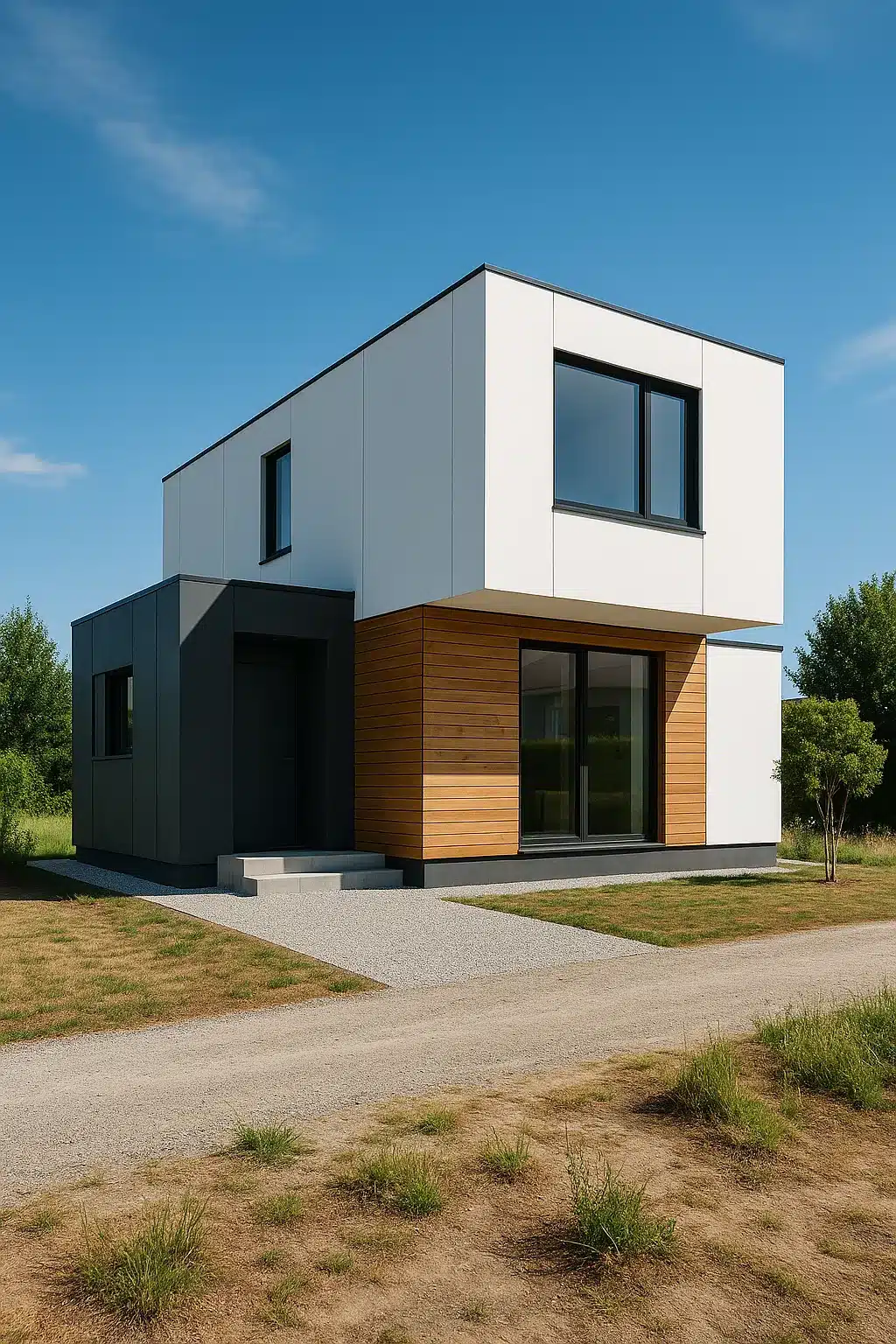
The idea of home is changing fast, and in 2026, the rise of Smart Modular Living is leading the evolution. Modular architecture combines the speed and efficiency of prefabrication with the power of technology to create homes that are smarter, cleaner, and easier to customize. Homeowners are increasingly drawn to modular designs because they’re flexible, cost-efficient, and environmentally responsible — proving that modern living can be intelligent without sacrificing beauty.
Unlike traditional builds, modular homes are assembled from precision-engineered sections created in controlled environments. This approach reduces waste, shortens construction timelines, and ensures higher quality control. What makes 2026 modular homes truly different, however, is their integration with smart home technology. From AI-controlled climate systems that learn your preferences to solar-powered energy storage and security sensors built directly into walls, these homes are redefining convenience and comfort.
Another key benefit is adaptability. As families grow or lifestyles shift, homeowners can simply add, reconfigure, or upgrade individual modules rather than undergo massive renovations. Architects are embracing the concept of scalable design — spaces that can expand or contract depending on need. Imagine adding an office pod, guest suite, or rooftop greenhouse within weeks, not months. The combination of design flexibility and sustainability is what makes modular architecture such a powerful movement.
In the coming years, we’ll see entire neighborhoods built from modular components that can evolve with changing communities. These homes don’t just represent modern efficiency — they represent a philosophy of living smarter, lighter, and more sustainably. Whether it’s a compact city dwelling or a sprawling countryside retreat, Smart Modular Living is setting the standard for how future homes are built and lived in.
4) Neo-Minimalism with Warm Materials
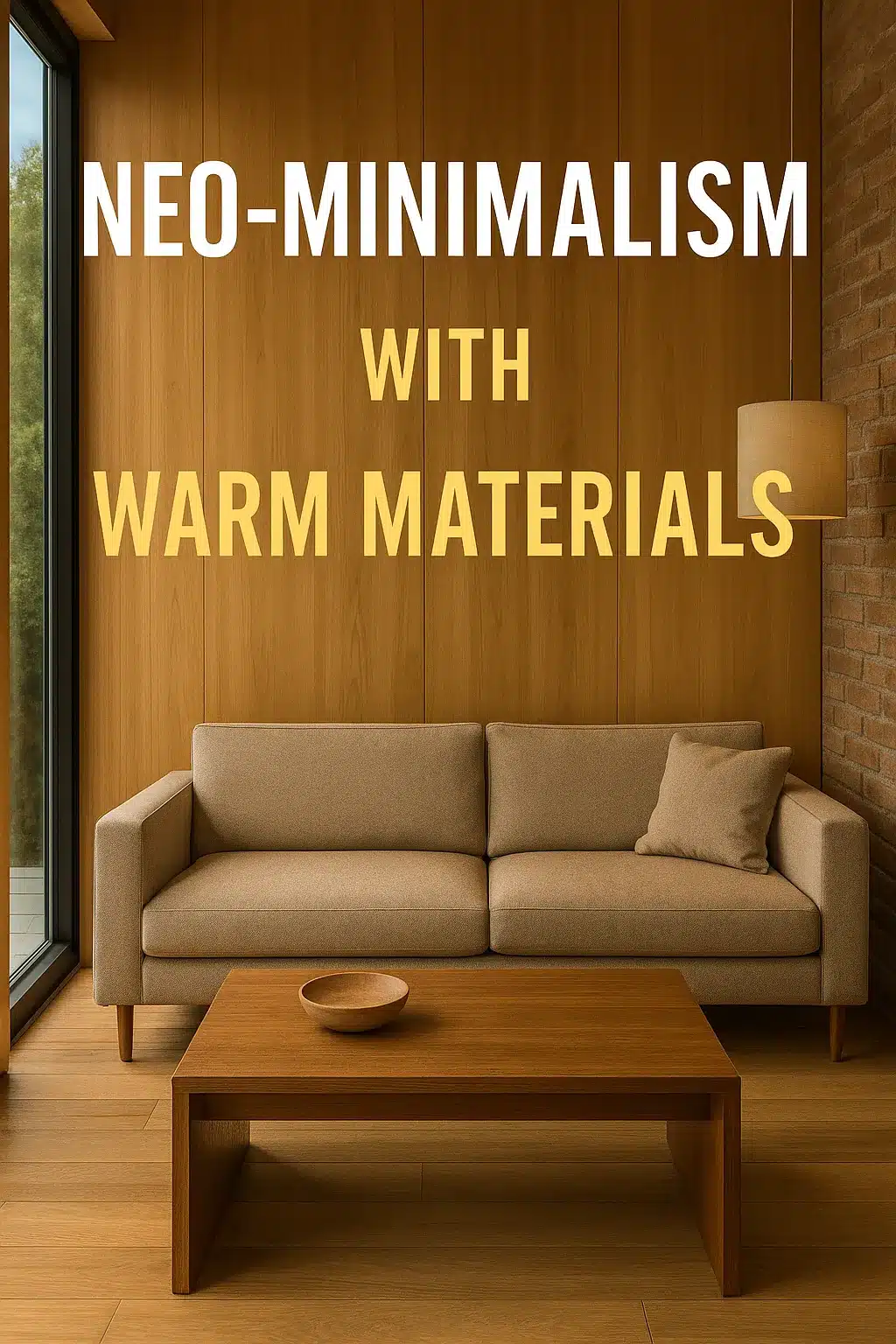
The minimalist movement is evolving, and in 2026, we’re seeing the rise of Neo-Minimalism — a softer, warmer approach to simplicity. This design trend moves beyond the stark, all-white aesthetic of classic minimalism and embraces texture, tone, and emotional comfort. Neo-minimalist homes are calm, uncluttered spaces filled with natural light and earthy materials that add warmth and soul. The goal isn’t to strip life away, but to refine it — to create spaces that feel peaceful, grounded, and intentionally personal.
Architects are blending clean lines with organic elements such as light oak, textured stone, clay plaster, and linen fabrics. These materials give interiors a tactile beauty that invites touch and reflection. You’ll often find soft neutral palettes paired with contrasting dark accents to highlight architectural form without overwhelming the eye. Every element has a purpose, from built-in shelving that reduces clutter to low-profile furniture that enhances flow. The result is a home that feels both sophisticated and lived-in — minimalist yet human.
What makes this new wave so appealing is its emotional depth. Neo-Minimalism honors the modern need for clarity and calm while acknowledging our desire for comfort and connection. In a world overflowing with noise and distraction, these spaces serve as sanctuaries — breathing rooms where design meets mindfulness. Large windows, indoor greenery, and warm lighting complete the look, turning every corner into a gentle retreat.
As more homeowners look for timeless design that nurtures well-being, Neo-Minimalism will continue to rise. It’s the perfect marriage of modern restraint and natural softness — a reminder that less can still feel incredibly rich when guided by warmth, craftsmanship, and care. In 2026, simplicity is no longer cold; it’s beautifully alive.
5) Parametric & Algorithmic Design
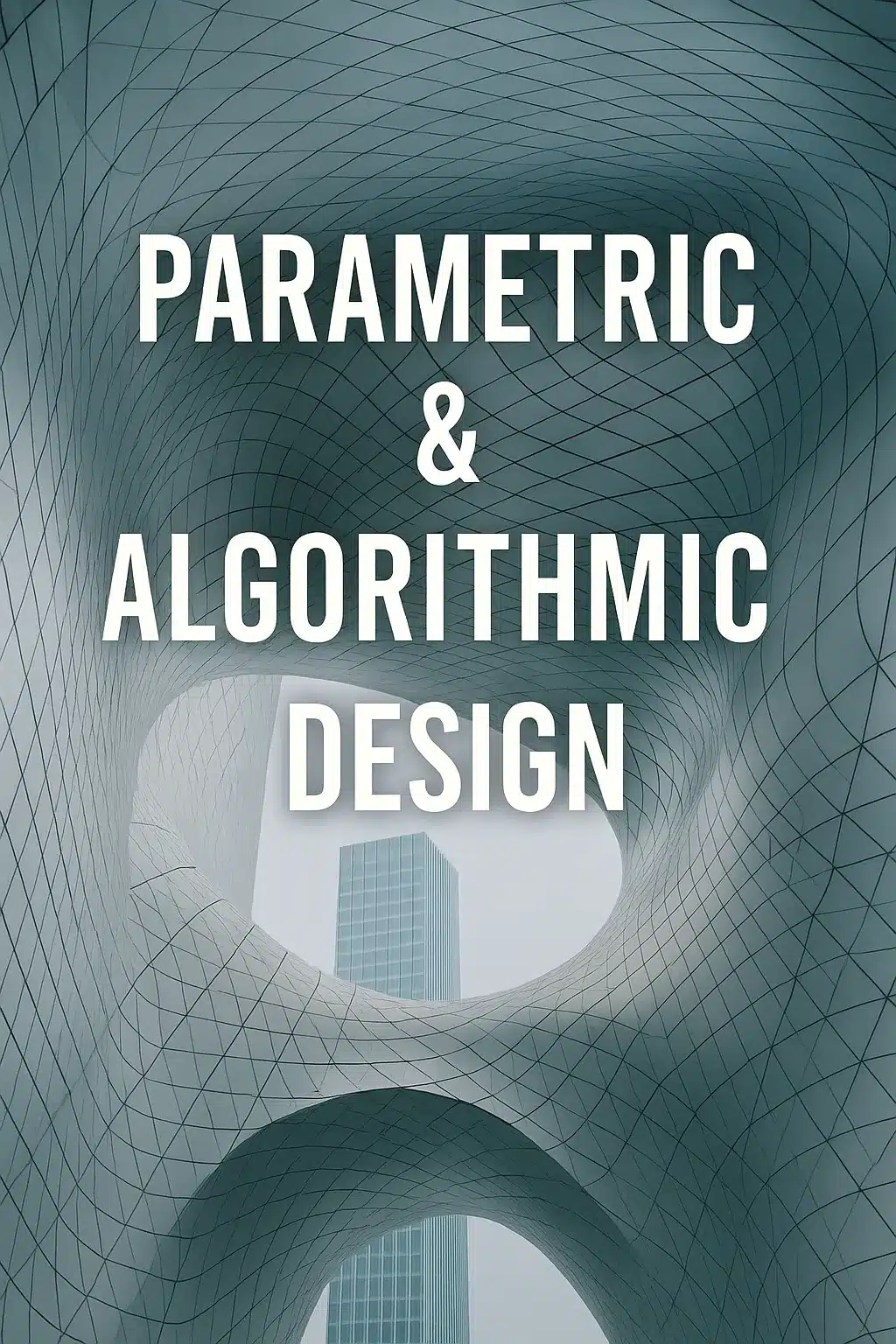
In 2026, architecture is becoming smarter — and more artistic — than ever before, thanks to the power of Parametric and Algorithmic Design. This groundbreaking approach uses advanced digital modeling and AI-driven computation to create structures that adapt to their environment, optimize performance, and express entirely new forms of beauty. No longer limited by the constraints of traditional drafting, architects can now generate shapes that respond organically to sunlight, wind flow, terrain, and human movement — producing homes that are both futuristic and functional.
Parametric design thrives at the intersection of technology and creativity. It begins with algorithms — sets of design rules — that determine how a structure should behave or evolve. The results are astonishing: sweeping curved façades that optimize natural ventilation, patterned shading systems that adjust light dynamically, and building forms inspired by natural geometries like coral reefs or honeycombs. These structures feel alive, constantly interacting with their surroundings, embodying a kind of digital biomimicry that redefines what architecture can be.
What makes this trend even more transformative is how it democratizes innovation. AI-assisted tools are allowing smaller studios and independent designers to experiment with complex geometries once reserved for major firms. Paired with 3D printing, robotics, and responsive materials, parametric architecture is becoming more practical and affordable — not just a futuristic dream. Homeowners can now commission custom structures that are energy-efficient, adaptive, and uniquely tailored to their site conditions.
Beyond aesthetics, the true power of this design philosophy lies in its intelligence. Parametric and algorithmic methods help reduce waste, optimize resources, and predict environmental impact long before construction begins. As sustainability and technology continue to merge, these tools are shaping a new generation of architecture that learns, evolves, and performs — transforming homes into living, thinking ecosystems designed for the world of tomorrow.
6) Adaptive Reuse & Sustainable Retrofits
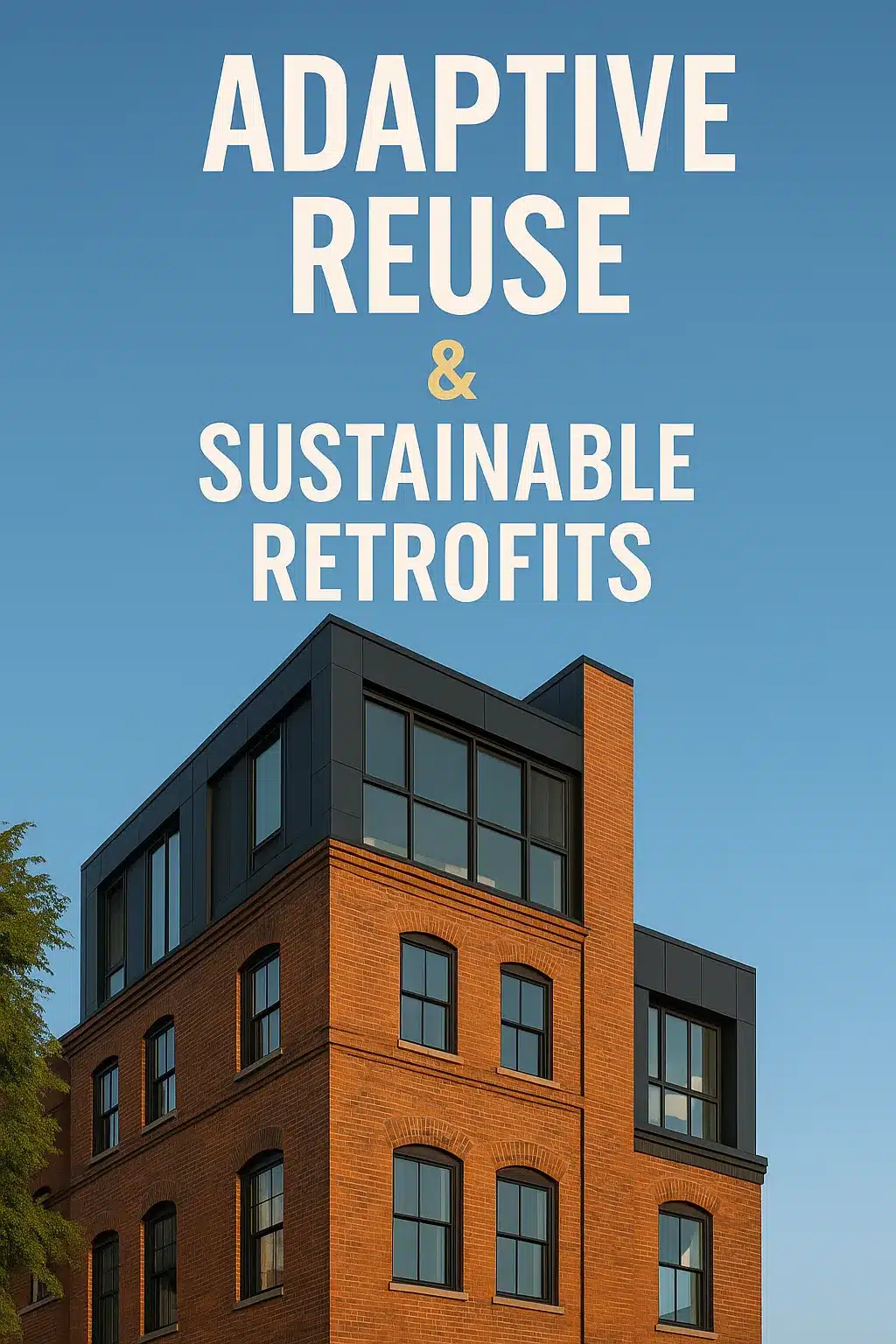
In 2026, one of the most meaningful movements in design isn’t about building something new — it’s about giving new life to what already exists. Adaptive Reuse and Sustainable Retrofits are redefining modern architecture by transforming outdated buildings into functional, efficient, and beautiful spaces. Instead of demolishing the past, architects are embracing it, preserving the character and craftsmanship of older structures while infusing them with contemporary comfort and eco-friendly technology. It’s a trend rooted in respect — for history, the environment, and the communities we live in.
From historic warehouses becoming vibrant lofts to abandoned factories turned into eco-conscious co-living spaces, adaptive reuse projects blend innovation with nostalgia. Designers are finding creative ways to highlight original materials — exposed brick, weathered beams, and reclaimed steel — while upgrading insulation, lighting, and ventilation systems to meet today’s performance standards. The result is architecture that tells a story, merging old-world charm with modern sustainability and energy efficiency.
But it’s not just about aesthetics — it’s about responsibility. Every retrofit project saves tons of materials from landfills and dramatically reduces the carbon footprint associated with new construction. With growing awareness around climate impact, more homeowners and developers are opting to renovate rather than rebuild. Architects are leading this shift by introducing green retrofitting solutions like solar integration, smart heating systems, and recycled building composites that breathe new life into aging spaces.
In 2026, the adaptive reuse movement represents a profound shift in mindset: architecture as restoration, not replacement. It’s proof that sustainability can be emotional, not just technical. Each restored building becomes a bridge between past and future — a reminder that the most responsible design choice is often the one that honors what’s already here, beautifully renewed for generations to come.
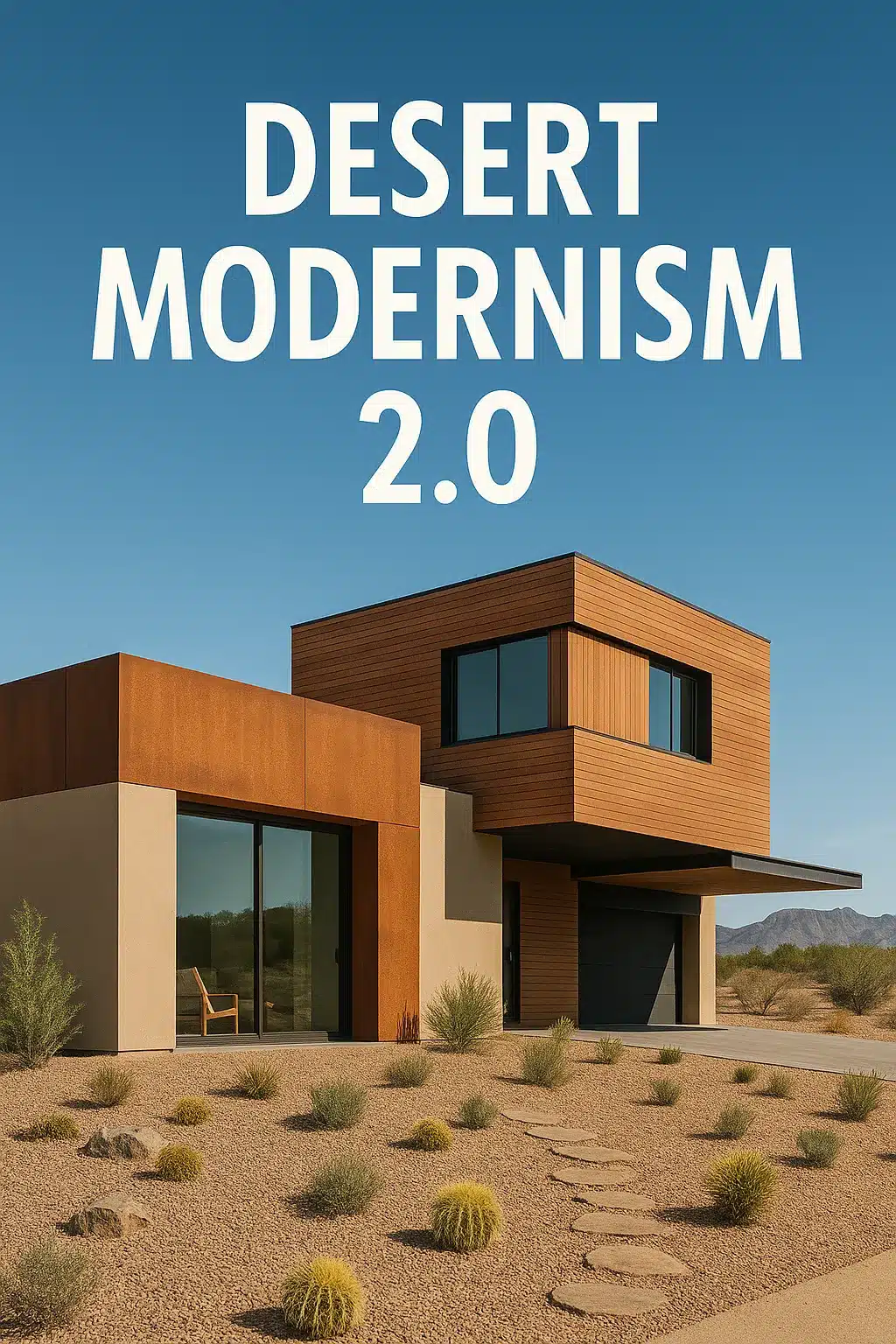
7) Desert Modernism 2.0
The timeless beauty of mid-century design is making a bold comeback in 2026 through Desert Modernism 2.0 — a fresh interpretation of clean lines, open spaces, and environmental harmony. Originally born in Palm Springs and the American Southwest, this style has evolved to meet the demands of a hotter, more eco-conscious world. Architects are taking the signature elements of Desert Modernism — low, horizontal profiles, flat roofs, and indoor-outdoor flow — and merging them with advanced materials and passive design techniques that naturally cool, shade, and ventilate the home.
At its core, Desert Modernism 2.0 celebrates restraint, serenity, and a deep respect for the landscape. You’ll find homes positioned to align with the sun’s movement, using deep overhangs and shaded courtyards to reduce heat gain. Materials like rammed earth, concrete, and reclaimed wood give texture and depth to these minimal silhouettes, while expansive glass walls frame views of cacti, rock formations, and golden sunsets. Every element of design is intentional — created to balance aesthetics with performance in extreme climates. The result is architecture that feels timeless, efficient, and deeply connected to nature.
What sets this new generation apart is its blend of modern technology with regional wisdom. Smart thermostats, water-harvesting systems, and solar-integrated roofing work seamlessly alongside age-old desert strategies like cross-ventilation and thermal mass walls. The effect is a home that breathes with its environment, using the desert’s natural rhythm to maintain comfort and reduce energy costs. It’s modernism reimagined — lighter, smarter, and sustainable in every detail.
In 2026, Desert Modernism 2.0 isn’t just a design aesthetic — it’s a lifestyle that honors minimal impact and maximum beauty. These homes prove that modern architecture can thrive in even the harshest environments while staying elegant, practical, and perfectly attuned to the earth’s natural energy. The desert has always been a place of clarity — and now, it’s becoming a canvas for the future of sustainable design.
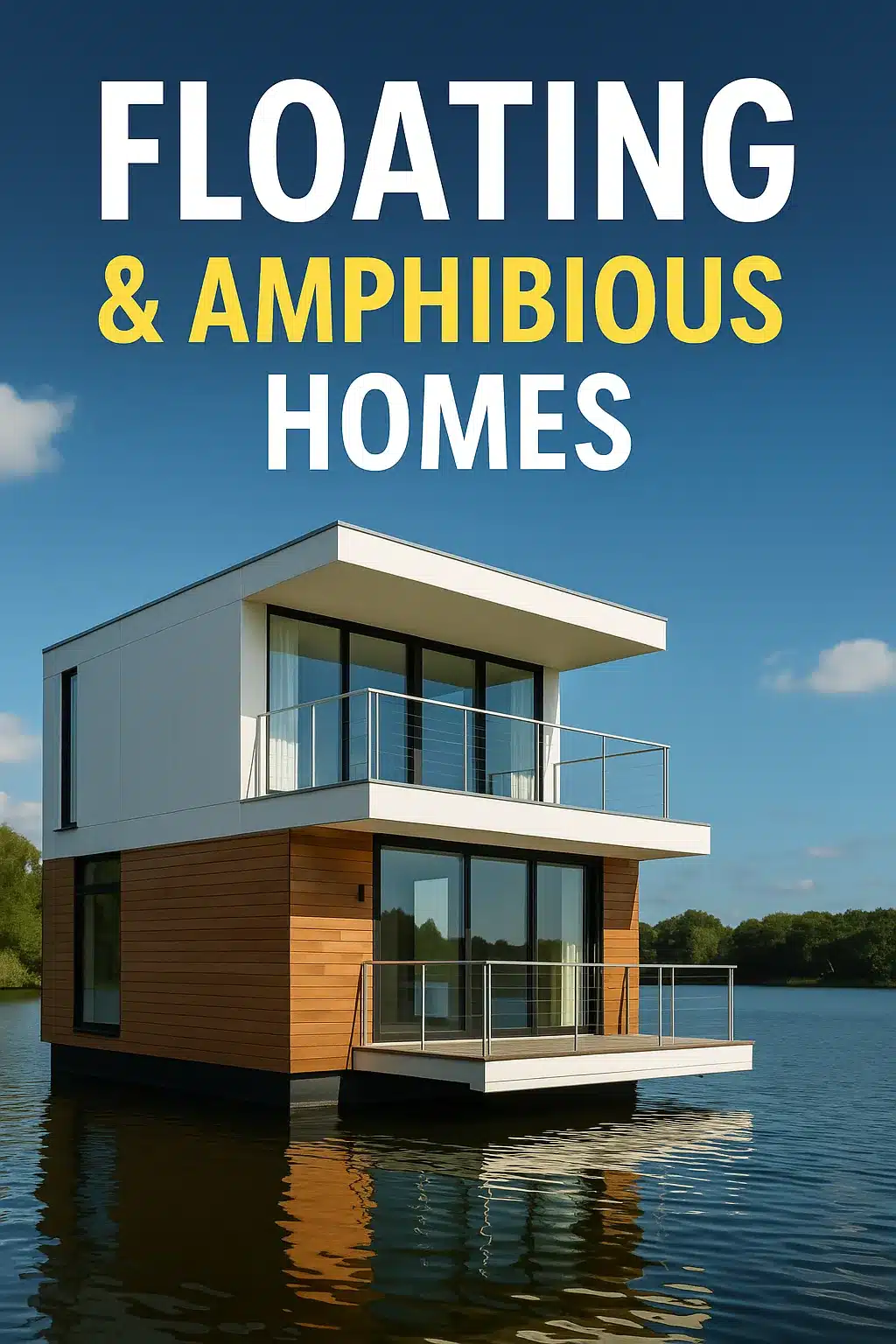
8) Floating & Amphibious Homes
As the effects of climate change become more visible, architects in 2026 are turning water into opportunity with Floating and Amphibious Homes. These cutting-edge dwellings are designed to adapt to rising sea levels and unpredictable weather, merging resilience with refined beauty. Built on buoyant foundations or flexible hydraulic systems, they can float during floods and settle naturally when waters recede. This blend of innovation and adaptability is redefining coastal architecture — creating homes that coexist harmoniously with water rather than resisting it.
From sleek, modern floating villas to compact amphibious houses in flood-prone regions, this design trend emphasizes both sustainability and safety. Many of these homes are powered by solar energy, use rainwater harvesting systems, and feature green roofs that double as gardens. They are masterpieces of engineering where form follows fluidity — with aerodynamic silhouettes, panoramic glass walls, and lightweight construction materials that balance strength with buoyancy. Living on the water has never felt more stable, stylish, or sustainable.
Beyond practicality, these homes introduce a completely new lifestyle experience. Waking up to gentle waves, panoramic horizons, and ever-changing reflections of the sky creates a sense of serenity that traditional homes can’t replicate. Architects are focusing on integrating nature and architecture, ensuring that interiors remain airy, open, and connected to the water’s rhythm. It’s not just design; it’s an immersive sensory experience — one where architecture meets the flow of life.
In 2026, Floating and Amphibious Homes represent more than an environmental solution — they’re symbols of resilience, adaptability, and hope. As cities evolve to meet global challenges, these visionary designs prove that innovation can turn climate risks into creative, livable opportunities. The future of housing isn’t about escaping nature — it’s about rising with it.
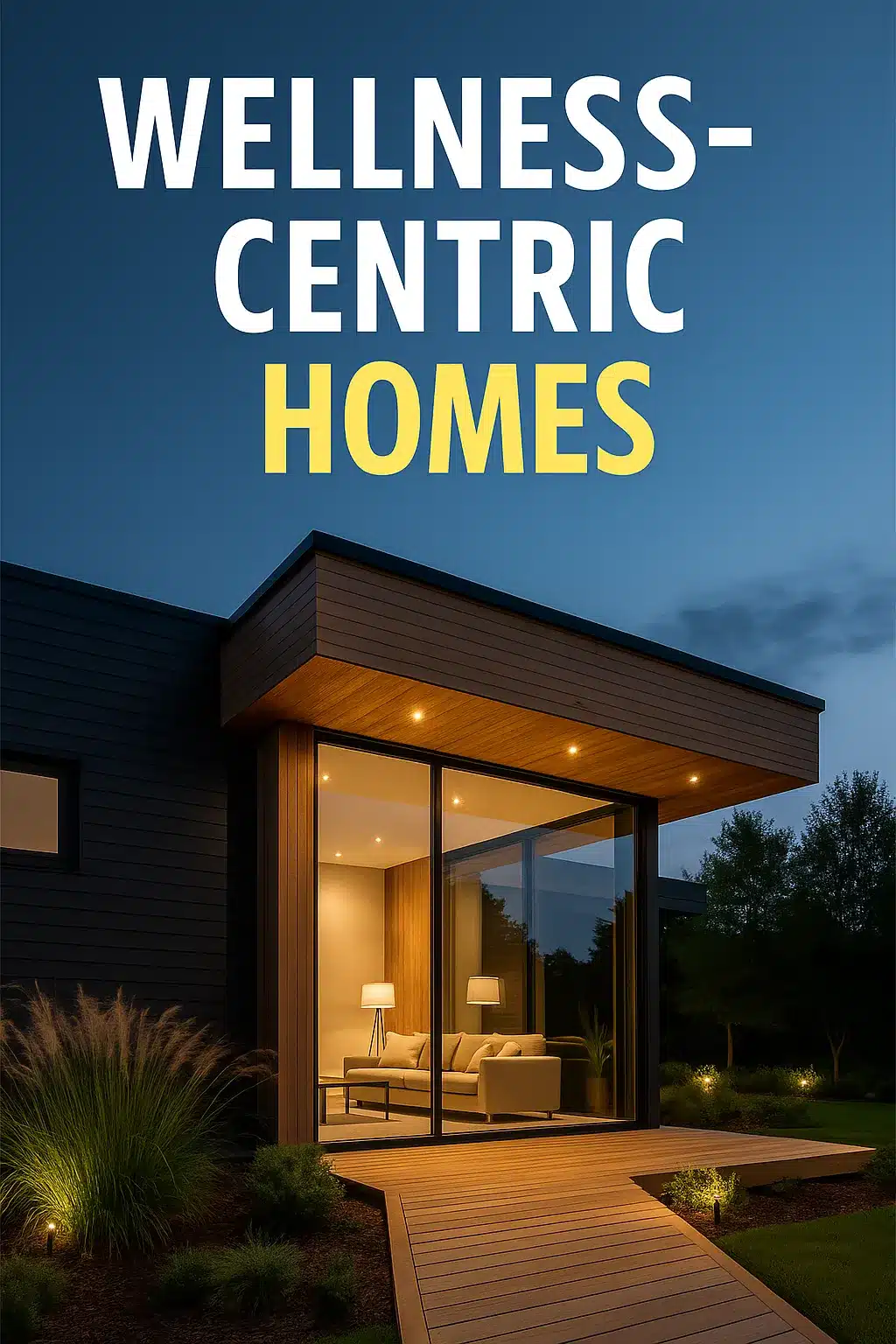
9) Wellness-Centric Homes
In 2026, architecture is no longer just about how a space looks — it’s about how it makes you feel. Wellness-Centric Homes are reshaping modern living by prioritizing mental, physical, and emotional well-being. These homes are designed to nurture calm, balance, and vitality through thoughtful spatial planning, natural materials, and integrated technology. Every room is intentional — every surface, sound, and beam of light contributes to a healthier, happier lifestyle.
Designers are focusing on elements that enhance human wellness from the inside out. Large windows flood interiors with natural light, promoting circadian rhythm and productivity. Natural ventilation and air-purifying design features improve indoor quality, while water features, organic textures, and acoustic control reduce stress and enhance relaxation. Wellness architecture also embraces biophilic principles, with indoor gardens, meditation courtyards, and flexible open layouts that encourage mindfulness and connection to nature.
Beyond design aesthetics, technology is playing a vital role in creating these health-focused spaces. Smart systems track air quality, monitor humidity, and even adjust lighting tones to match your mood or the time of day. Wellness-centric homes often include infrared saunas, yoga studios, or hydrotherapy zones designed for self-care and rejuvenation. The goal is to make wellness an effortless part of daily life — integrated, intuitive, and deeply personal.
This shift reflects a larger cultural movement toward holistic living. After years of fast-paced routines and digital overwhelm, people are seeking homes that restore balance and peace. In 2026, wellness design is not a luxury — it’s a necessity. It proves that good architecture doesn’t just shelter us; it heals, inspires, and helps us thrive. A truly modern home doesn’t just look beautiful — it makes you feel better every single day.
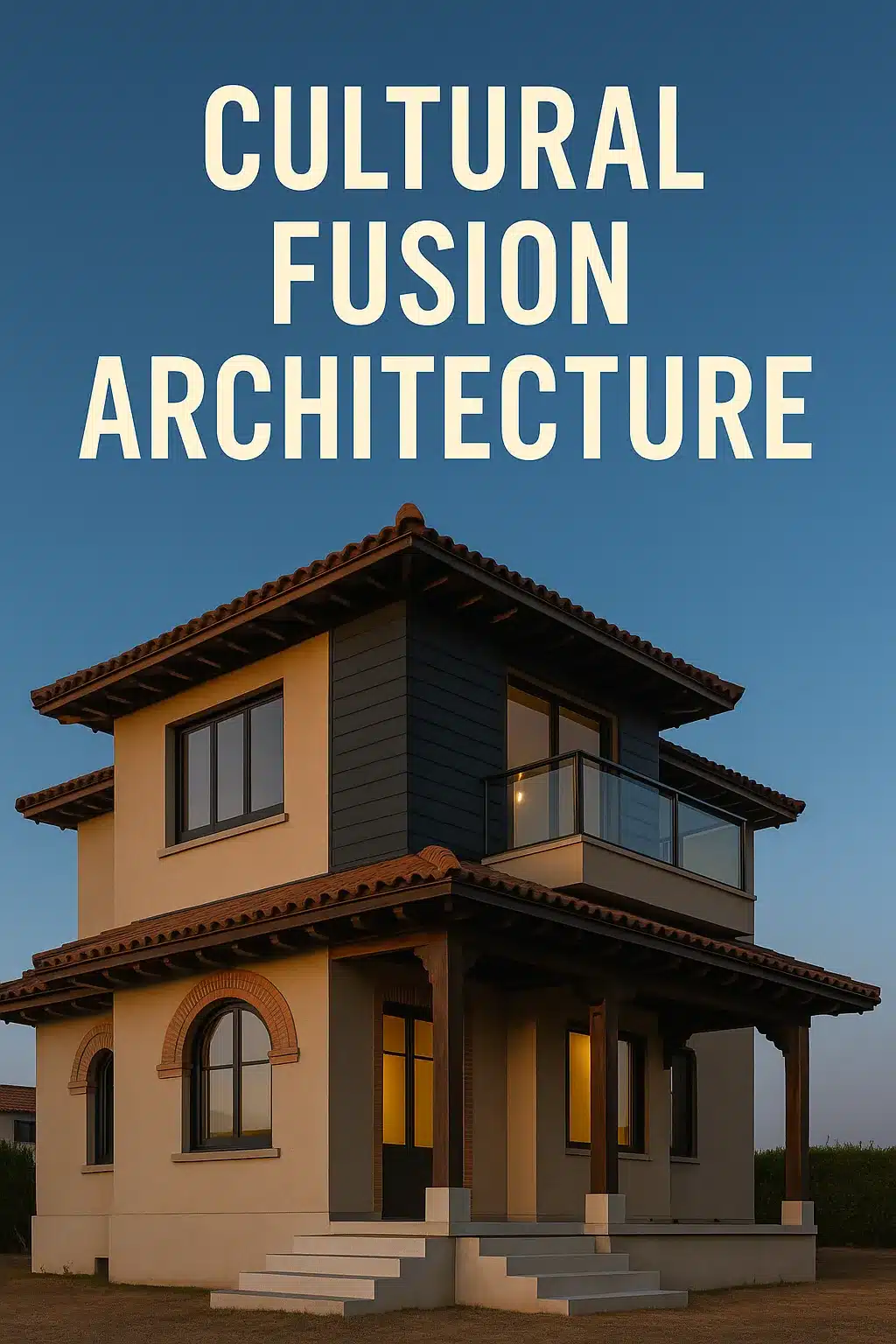
10) Cultural Fusion Architecture
In a world that’s more connected than ever, 2026 brings an exciting celebration of global creativity through Cultural Fusion Architecture. This design trend honors diversity by blending architectural influences, materials, and philosophies from around the world into cohesive, contemporary spaces. It’s not about imitation — it’s about integration. Architects are weaving together regional traditions, modern innovation, and personal identity to create homes that tell stories of cultural depth and unity.
Imagine a residence that combines the serenity of Japanese minimalism with the bold textures of Moroccan design, or a coastal home that pairs Mediterranean arches with Scandinavian functionality. Cultural Fusion Architecture embraces the idea that beauty lies in diversity, creating harmonious contrasts where craftsmanship, color, and material traditions meet. Handcrafted tiles, local stone, bamboo, and reclaimed wood coexist beautifully in these spaces, celebrating both heritage and modern sustainability.
What makes this movement so powerful is its ability to preserve authenticity while embracing innovation. Architects are working closely with local artisans and communities, ensuring that traditional techniques and materials are not lost to time. At the same time, modern technology — like 3D modeling and modular fabrication — allows these hybrid designs to be more precise, efficient, and accessible. The result is a new global design language that feels personal yet universal, rooted in culture but open to evolution.
In 2026, Cultural Fusion Architecture stands as a reflection of our shared humanity. It represents respect for history, passion for creativity, and the belief that modern design can unite rather than divide. Every blended space tells a story — not just of where we come from, but of how we live together. It’s architecture as connection, memory, and celebration — a true expression of the world we’re building, one beautiful home at a time.
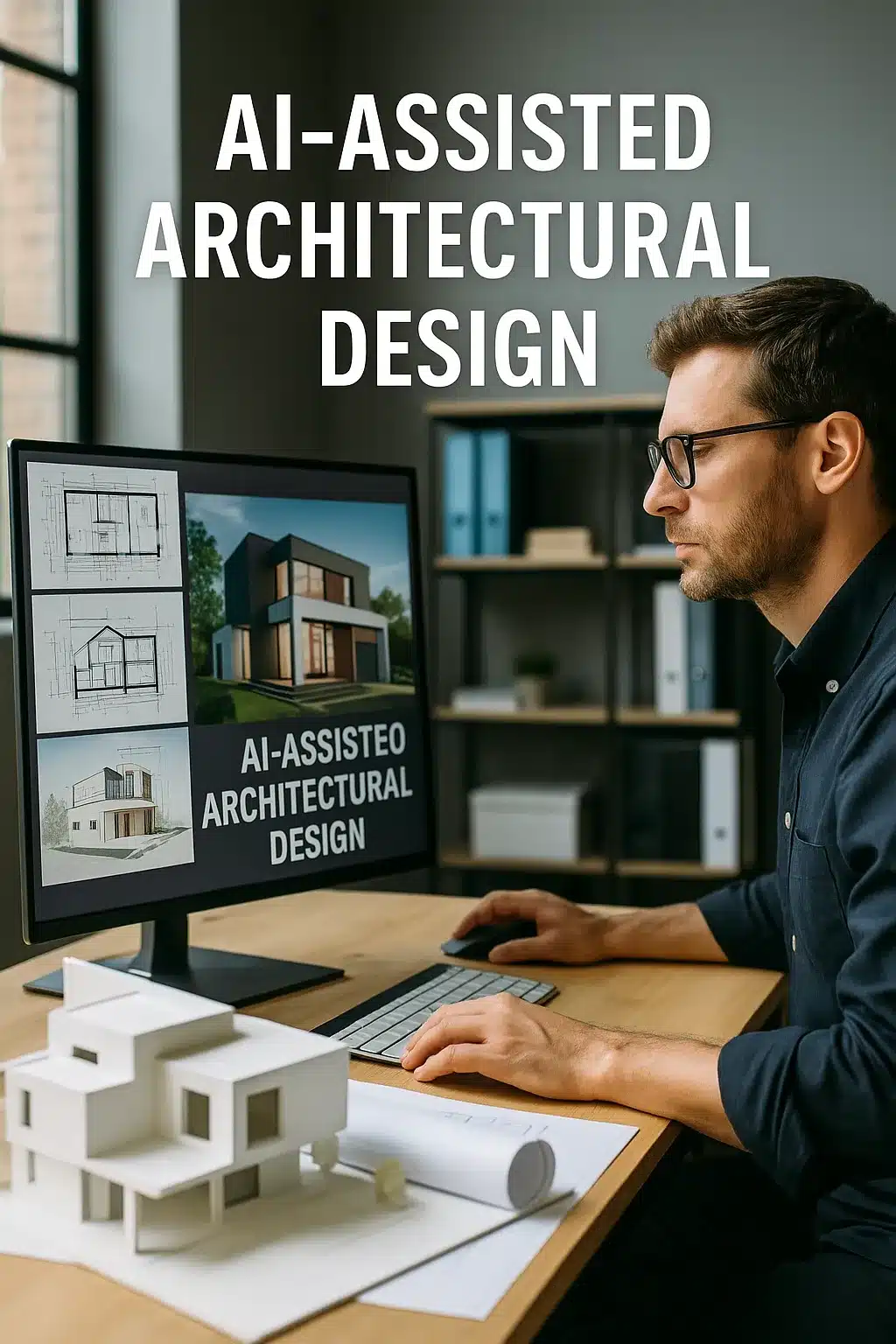
11) AI-Assisted Architectural Design
As we step into 2026, artificial intelligence is no longer just a futuristic concept — it’s becoming an essential creative partner in modern architecture. AI-Assisted Architectural Design is transforming how architects conceptualize, test, and refine their ideas. Through data-driven modeling, predictive analysis, and generative design tools, AI is helping create buildings that are not only visually stunning but also optimized for performance, sustainability, and human comfort.
With AI, design begins with possibility. Architects can feed in parameters such as sunlight exposure, wind direction, energy efficiency, or even local climate conditions — and the system generates hundreds of adaptive design options within seconds. This level of precision allows for faster decision-making, fewer material errors, and smarter spatial planning. It’s like having an intelligent assistant that constantly learns from each project, improving outcomes with every iteration. The result is architecture that’s more responsive, resource-efficient, and beautifully tailored to its environment.
AI isn’t replacing human creativity; it’s expanding it. Designers use these tools to explore ideas that would have been impossible with traditional methods — from fluid, organic façades inspired by nature to dynamic interiors that adjust temperature and lighting in real time. This synergy between human intuition and machine intelligence brings forth a new era of adaptive architecture, where buildings evolve and perform like living systems.
Beyond the design phase, AI plays a key role in construction and maintenance. Drones, robotics, and predictive algorithms are streamlining workflows, reducing waste, and monitoring energy performance long after a project’s completion. In 2026 and beyond, AI-driven architecture isn’t just faster — it’s smarter, cleaner, and more sustainable. The future of design lies in collaboration between human imagination and artificial intelligence — together building spaces that are efficient, elegant, and ready for a changing world.

Conclusion: The Future of Home Design in 2026 and Beyond
As we look toward the future of architecture, one thing becomes crystal clear — the homes of 2026 are more than just structures; they are living reflections of our values, our technology, and our evolving relationship with the planet. Each of these emerging styles — from biophilic sanctuaries to AI-assisted designs — represents a bold step forward in creativity and consciousness. Architecture is no longer defined by walls and roofs alone; it’s defined by emotion, adaptability, and intention. It’s about designing spaces that work with us, not against us, and that contribute positively to the world around them.
The decade ahead will see innovation and sustainability merge more deeply than ever before. Net-zero and carbon-negative homes will become the new standard, while modular and adaptive architecture will redefine flexibility and speed. Cultural fusion will continue to enrich design diversity, and wellness-focused spaces will remind us that architecture has the power to heal, not just to house. These trends all share one common thread — a commitment to designing smarter, kinder, and more human-centered environments for generations to come.
At its heart, the architecture of 2026 celebrates possibility. It asks us to imagine a world where innovation and empathy coexist — where every line, texture, and beam of light serves a greater purpose. Whether through advanced digital tools or timeless craftsmanship, today’s designers are shaping homes that stand as testaments to creativity and care. The future isn’t distant — it’s already being built, one beautiful, sustainable home at a time. And as we continue to evolve, the architecture we create will reflect not just our progress, but our hope for a brighter, more connected world.
Explore the Future — Start Designing Smarter Today
The architectural world is entering a golden age of creativity, sustainability, and technology. Each of these emerging architectural styles represents a step toward homes that are not only more intelligent and efficient but also deeply meaningful. Whether you’re dreaming of a net-zero retreat, a flexible smart modular home, or a peaceful biophilic sanctuary, the future is already taking shape — and it’s more accessible than ever.
At My Home Floor Plans, we believe the best homes begin with inspired ideas and thoughtful design. Explore our curated collection of modern and sustainable house plans that reflect these forward-thinking trends. From minimalist layouts to eco-luxury estates, you’ll find plans crafted for innovation, beauty, and balance — ready to grow with you into the next era of architecture.
✨ Ready to explore? Discover modern home designs and eco-friendly floor plans that fit your lifestyle, your future, and the world we’re all building together. Because great architecture isn’t just about space — it’s about how you live, feel, and thrive.