


The Biggest Home Design Trends of 2026
Welcome to the future of home design —
where innovation, comfort,
and sustainability meet in perfect balance.
Architects and builders are reimagining how we live, creating spaces that
are smarter, healthier, and more connected to nature.
From AI-driven smart homes to
earth-friendly materials and flexible
layouts that adapt to every lifestyle, 2026 is shaping up to be the year of
inspired living. Let’s explore the
top trends transforming modern homes —
and how you can bring these fresh ideas into your next build or remodel.
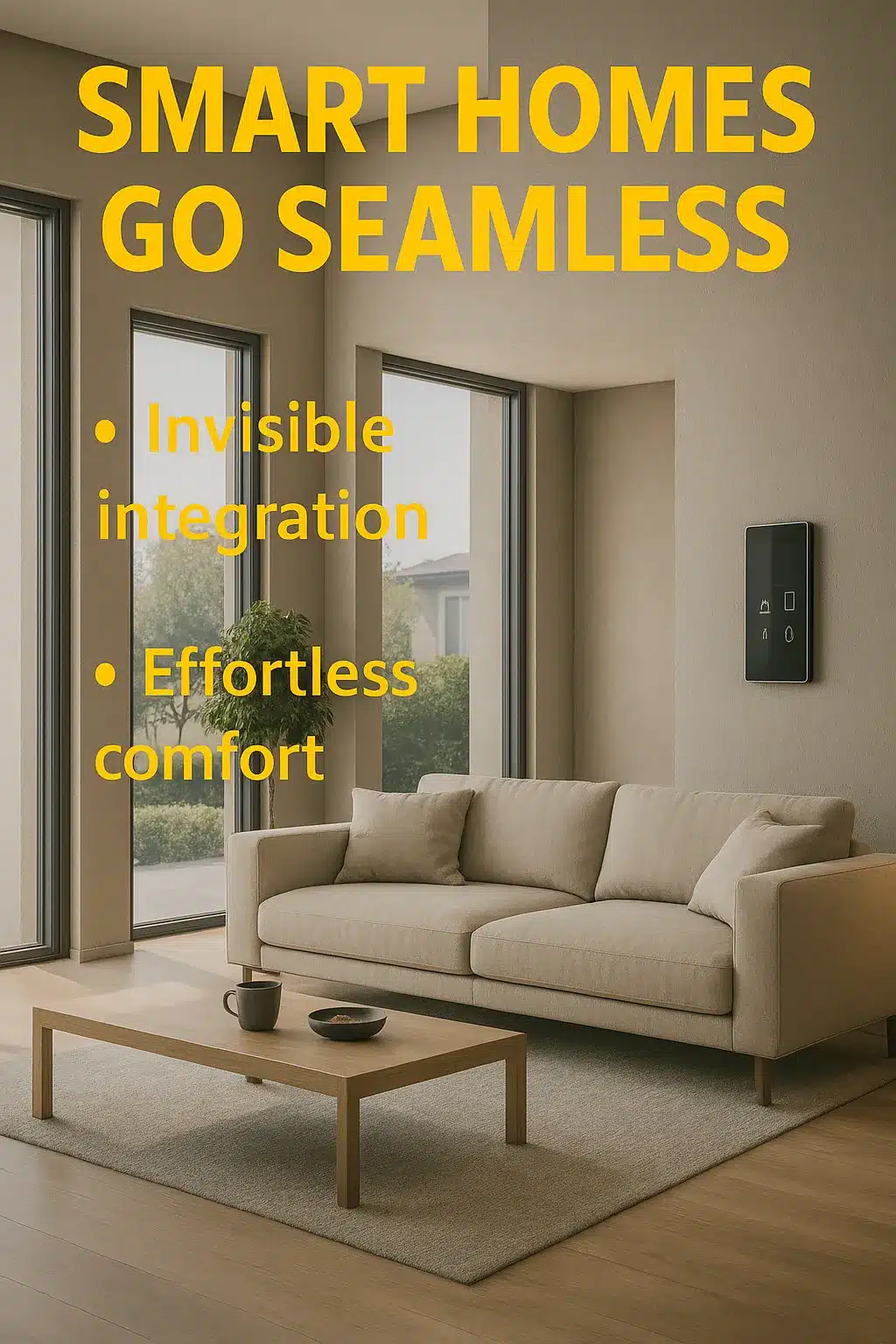
1) Smart Homes Go Seamless
The age of truly connected living has arrived.
In 2026, home automation is no longer about gadgets—it’s about
invisible integration.
Lighting, climate control, and security now respond automatically to your
routines, while voice and AI systems learn your habits to create effortless comfort.
Architects and builders are weaving technology right into the structure—hidden sensors,
sleek touch panels, and energy dashboards that blend with clean design.
The result is a smarter, greener, and calmer home that feels intuitive rather than technical.
Expect to see smart glass, adaptive shading, and AI-managed energy use as standard features in modern builds.
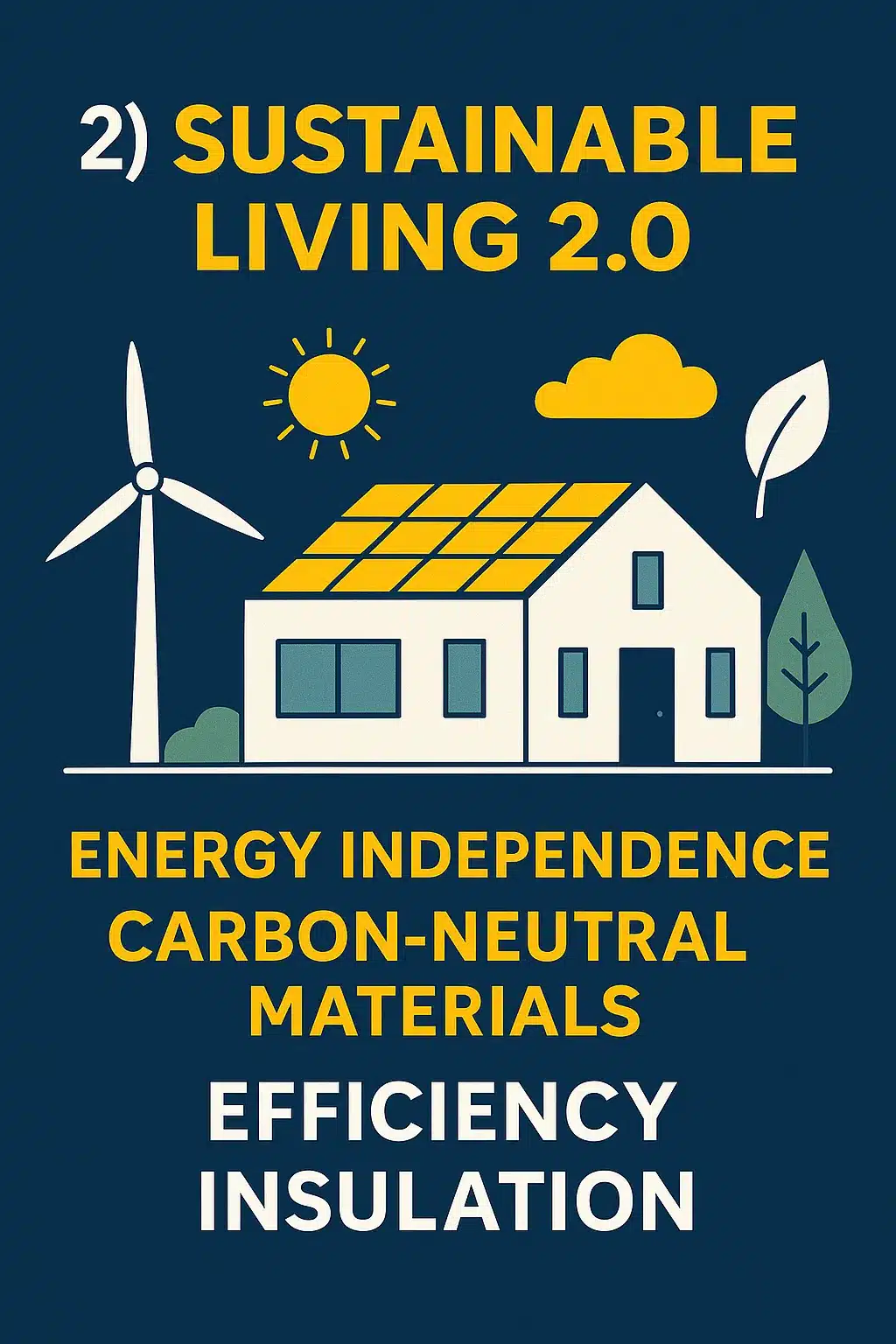
2) Sustainable Living 2.0
In 2026, sustainability has evolved beyond solar panels and recycling bins.
Homeowners now seek energy independence
and materials that protect the planet while enhancing comfort.
Builders are turning to carbon-neutral concrete,
bamboo composites, and high-efficiency insulation that cuts energy waste without sacrificing style.
Architects are embracing passive design —
positioning windows to capture natural light and airflow, using shading to regulate heat,
and creating homes that breathe with their surroundings.
The result: spaces that are healthier, smarter, and built to last,
proving that green living can be both beautiful and practical.
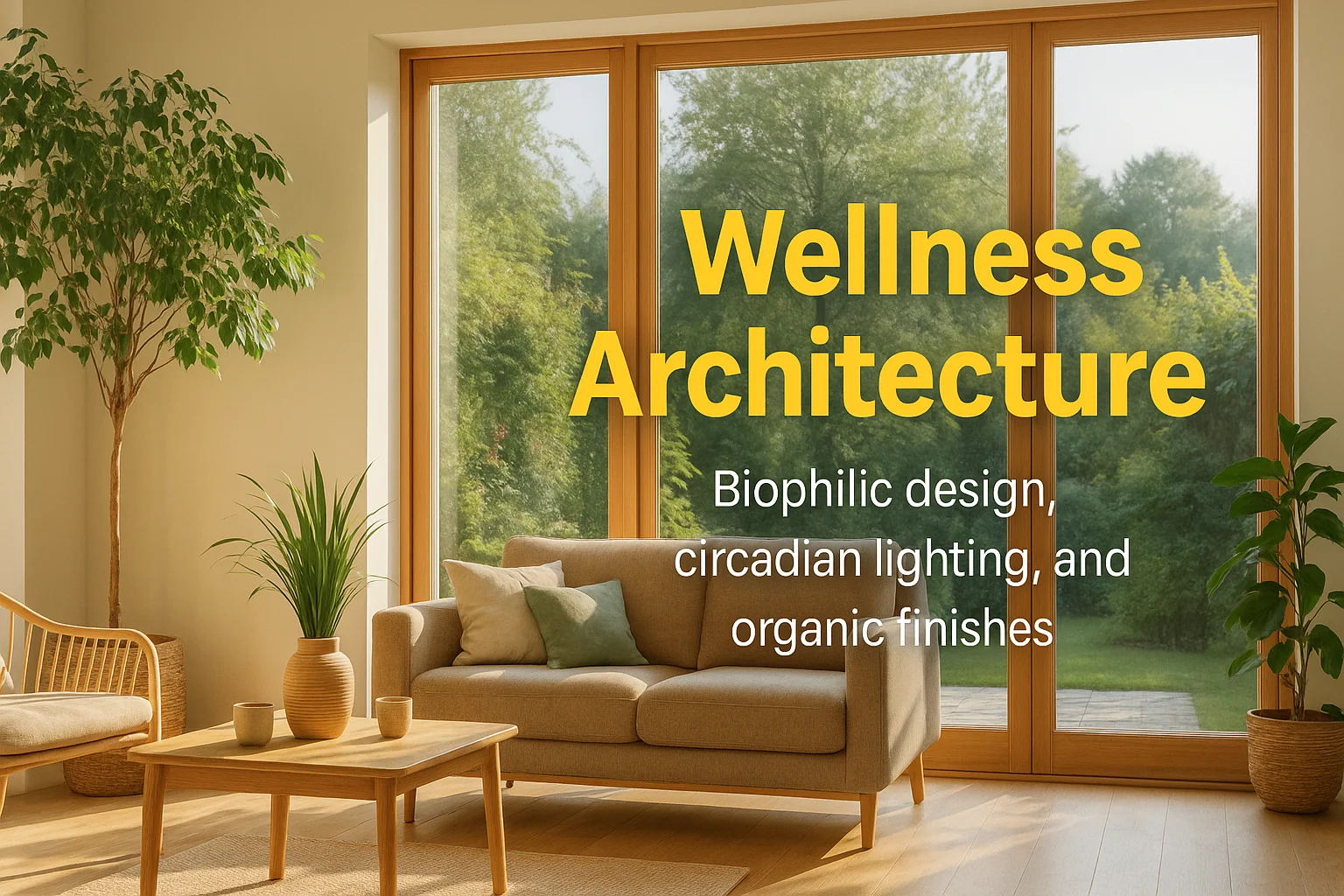
3) Wellness Architecture
The homes of 2026 are designed not just for beauty, but for
well-being.
Architects are crafting spaces that support mental and physical health through
biophilic design —
connecting interiors to nature with plants, natural textures, and flowing light.
Expect larger windows, air-purifying materials, and layouts that encourage
calm and mindfulness.
Builders are adding smart air systems, circadian lighting, and organic finishes
that make daily living more peaceful.
The result: homes that feel like sanctuaries — spaces that
restore energy and elevate wellness.
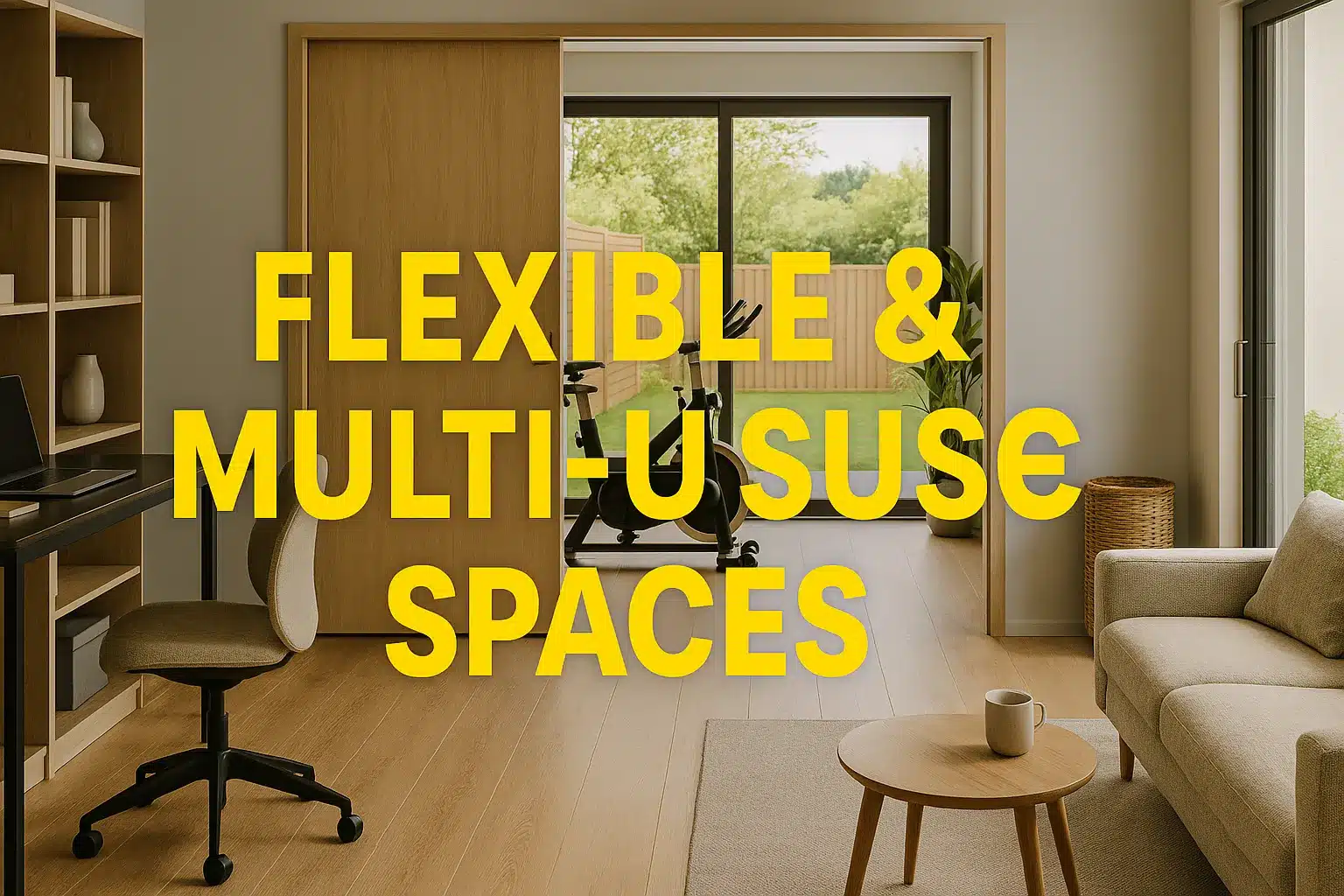
4) Flexible & Multi-Use Spaces
Homes in 2026 are built to adapt. Families, remote workers, and downsizers all want
versatility — spaces that transform as life changes.
A guest room might double as a gym, or a dining nook may convert into a compact home office by day.
Builders are focusing on modular layouts,
movable walls, and convertible furnishings that make every square foot count.
Architects are also blending indoor and outdoor functions, with patios and porches
that easily become extended living zones.
It’s design that adapts to how people really live — flexible, dynamic, and endlessly practical.
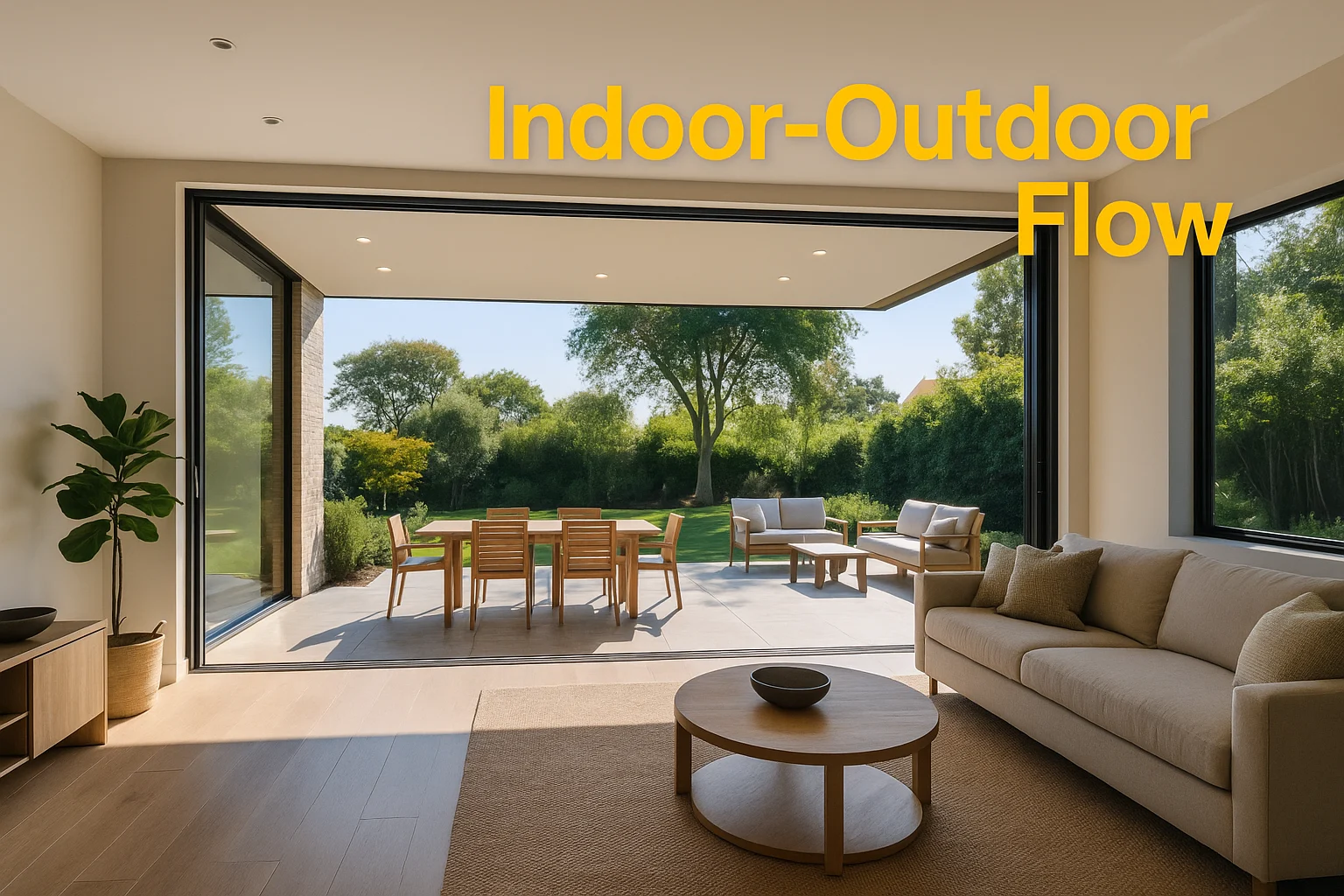
5) Indoor-Outdoor Flow
In 2026, the line between inside and outside is fading fast.
Homeowners want living spaces that connect seamlessly with nature —
wide glass walls that slide open, covered patios that serve as
outdoor living rooms, and kitchens that spill out into the garden.
Builders are maximizing natural light, using weather-resistant flooring and
harmonious color palettes to make the transition feel effortless.
The goal: a home that breathes — letting in sunlight, fresh air, and scenic views.
It’s a design trend rooted in well-being and the art of easy, open living.
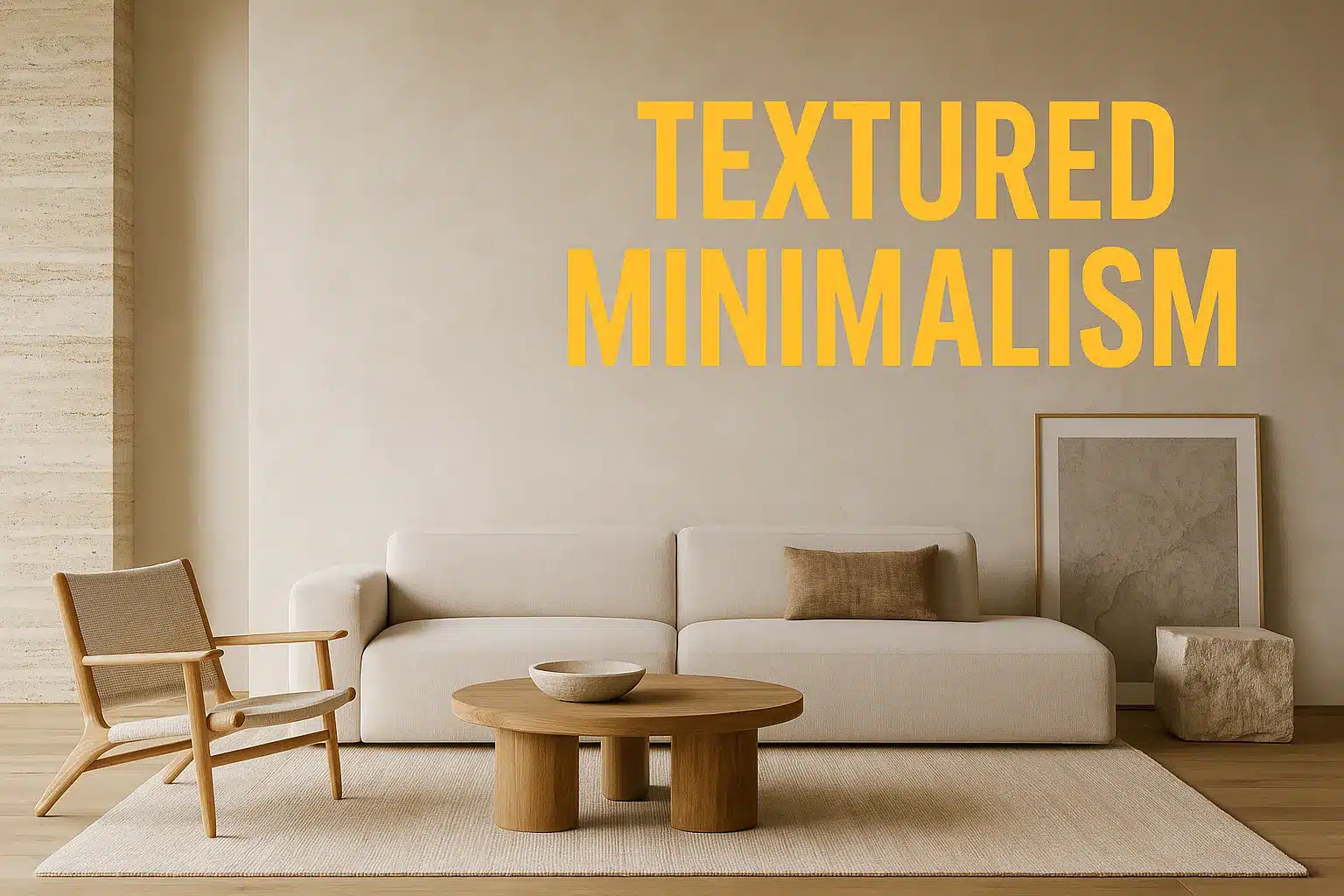
6) Textured Minimalism
The minimalist movement isn’t fading—it’s maturing. In 2026,
Textured Minimalism is redefining simplicity with warmth and depth.
Clean lines remain, but sterile spaces are replaced by layers of
natural stone,
plaster walls, and soft textiles that make modern interiors feel more human.
Builders are pairing neutral color palettes with rich materials like
oak, limestone, and wool,
giving minimalist homes a tactile, organic beauty.
The effect is subtle yet luxurious — calm, inviting, and perfectly balanced between
modern design and timeless comfort.
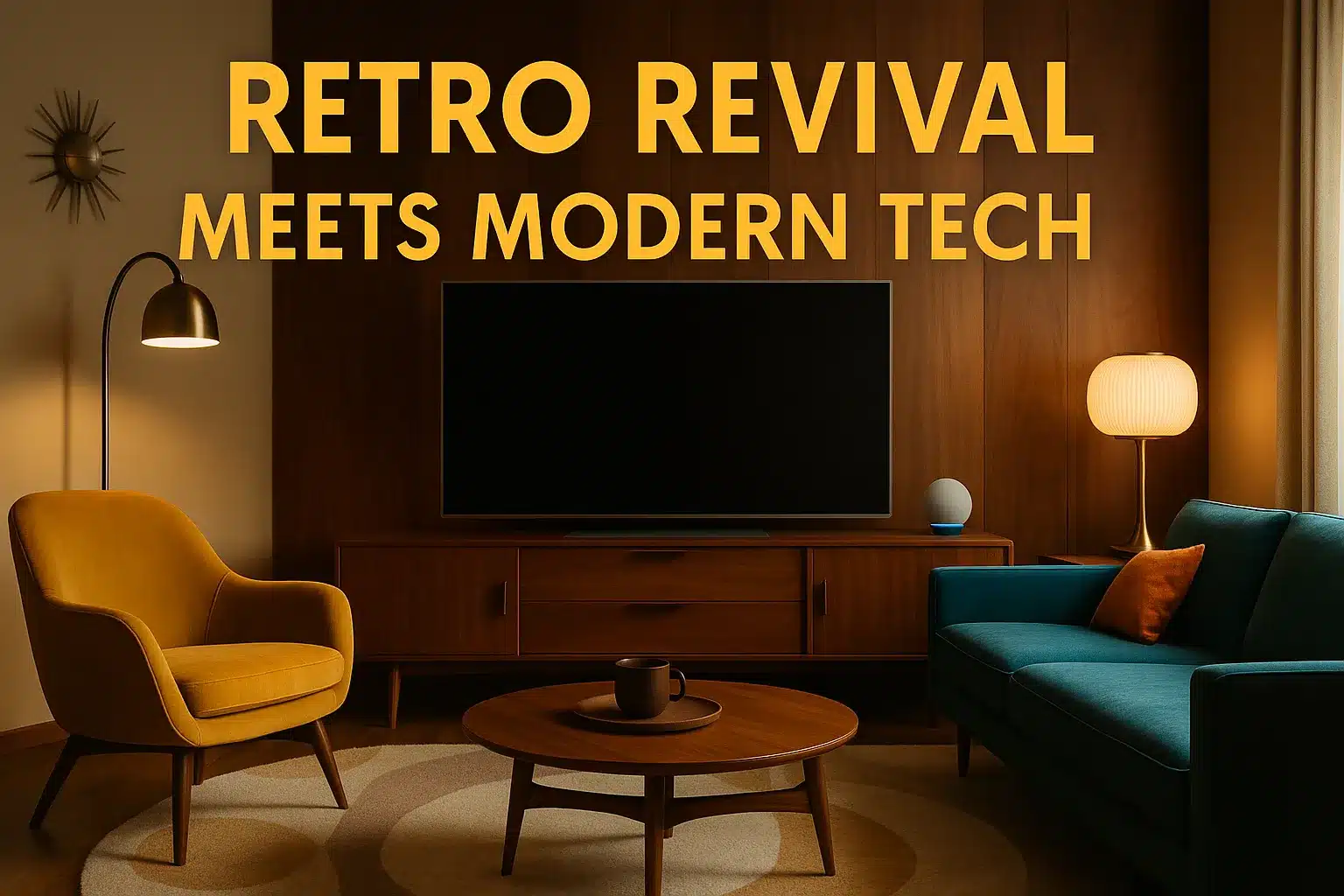
7) Retro Revival Meets Modern Tech
The charm of the past is making a comeback — but with a futuristic twist.
In 2026, designers are blending mid-century modern curves,
vintage lighting, and retro patterns with cutting-edge smart home technology.
Think wood-paneled media walls hiding 8K displays, or smart speakers disguised as sculptural decor.
This trend celebrates nostalgia while embracing innovation — creating homes that feel familiar,
yet powered by the latest tech-driven convenience.
The result is an atmosphere that’s both playful and sophisticated — a true blend of yesterday’s style and tomorrow’s intelligence.
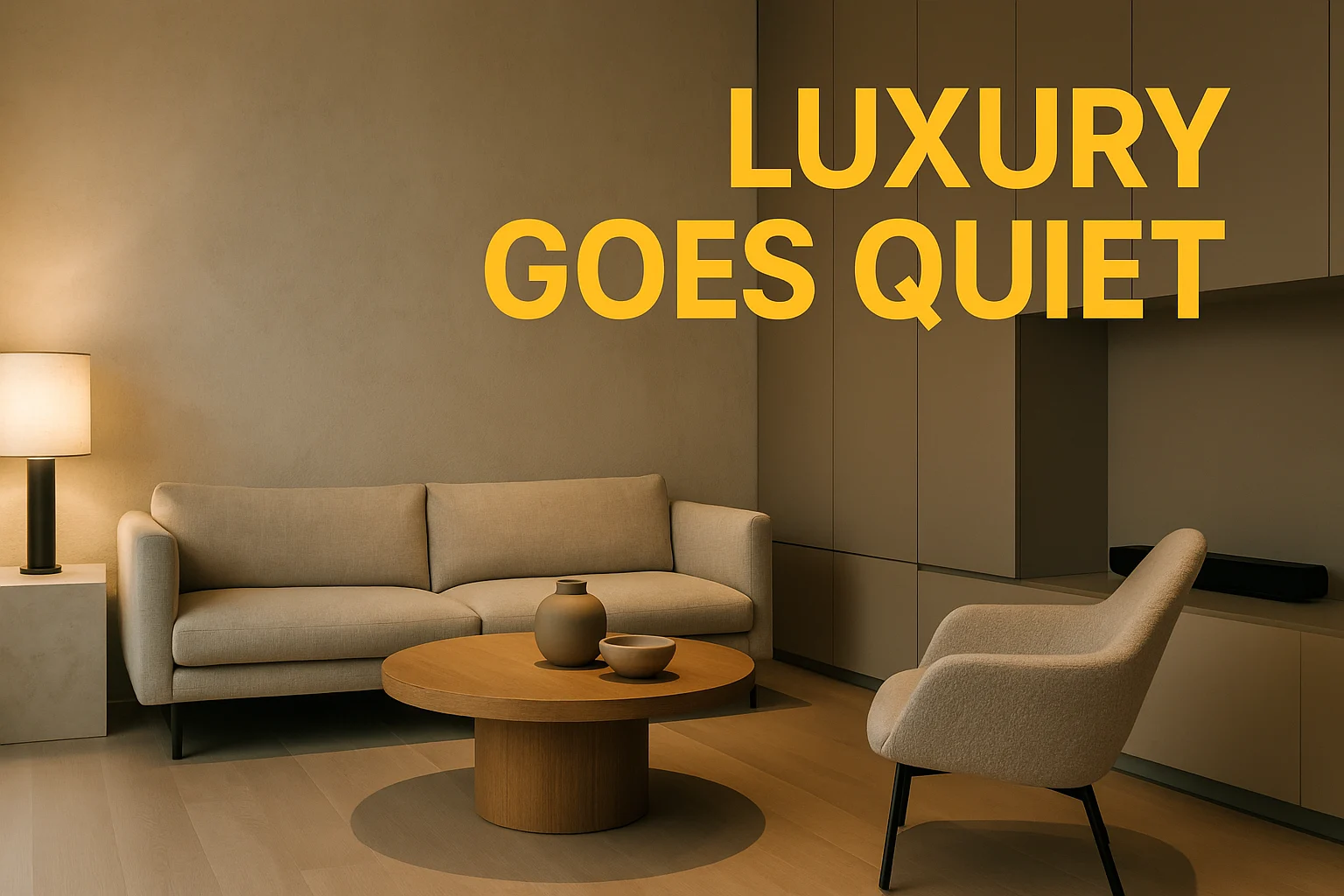
8) Luxury Goes Quiet
The new definition of luxury in 2026 is all about understatement.
Homeowners are moving away from flashy opulence and toward spaces that express
calm, refinement, and intentional simplicity.
Think soft matte finishes, hidden storage, and minimalist details that whisper elegance instead of shouting it.
Builders are using subtle textures, ambient lighting, and quality craftsmanship
to create interiors that feel elevated yet effortless.
“Quiet luxury” is the art of comfort without excess — timeless design that radiates peace, balance, and confidence.
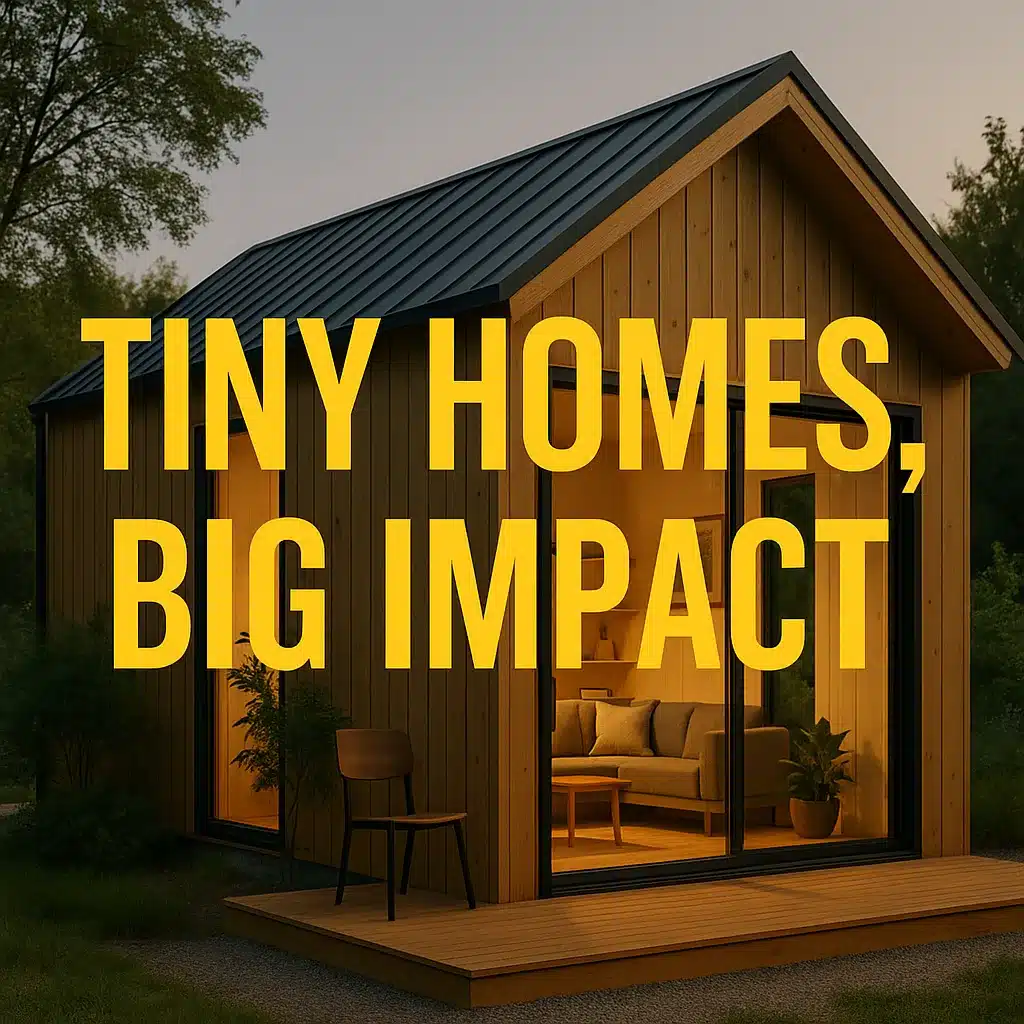
9) Tiny Homes, Big Impact
Small doesn’t mean simple anymore. In 2026,
tiny homes are redefining modern living with
smart layouts, sustainable materials, and luxurious efficiency.
Every inch matters — and architects are turning compact spaces into design showcases.
Expect features like fold-away furniture,
modular storage, and full-size comfort packed into minimal footprints.
Builders are proving that less space can deliver more freedom, lower costs, and
a smaller environmental impact — without sacrificing style.
The tiny home trend is no longer a niche — it’s a bold, efficient way to live well.
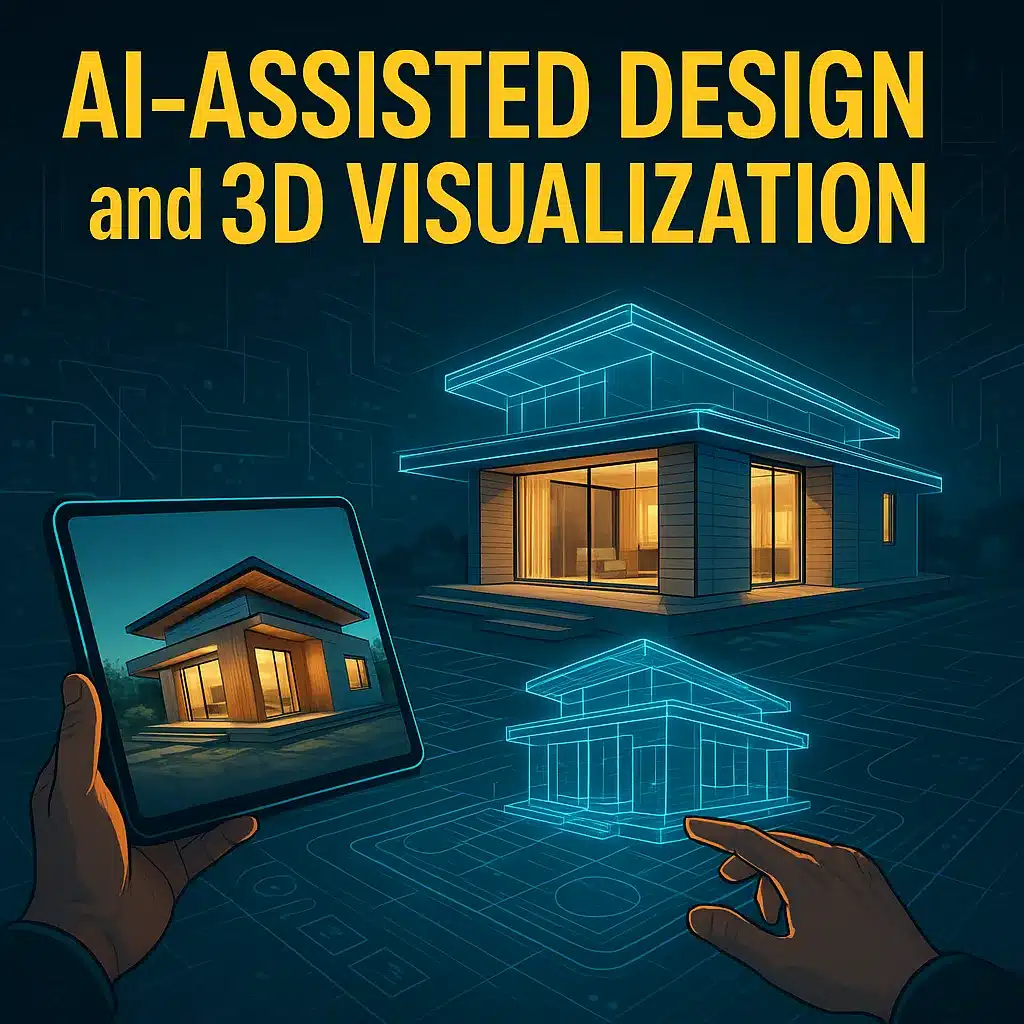
10) AI-Assisted Design and 3D Visualization
The future of home design has arrived — and it’s powered by
artificial intelligence.
In 2026, architects, builders, and homeowners are using AI-driven tools to explore
design options, create 3D walkthroughs, and visualize materials instantly.
This technology allows faster decisions, fewer design errors, and
personalized layouts that match each client’s lifestyle.
Virtual reality and real-time rendering help clients “walk through” their homes before construction even begins —
making collaboration more creative and efficient.
AI-assisted design isn’t replacing designers — it’s giving them
superhuman precision and vision.
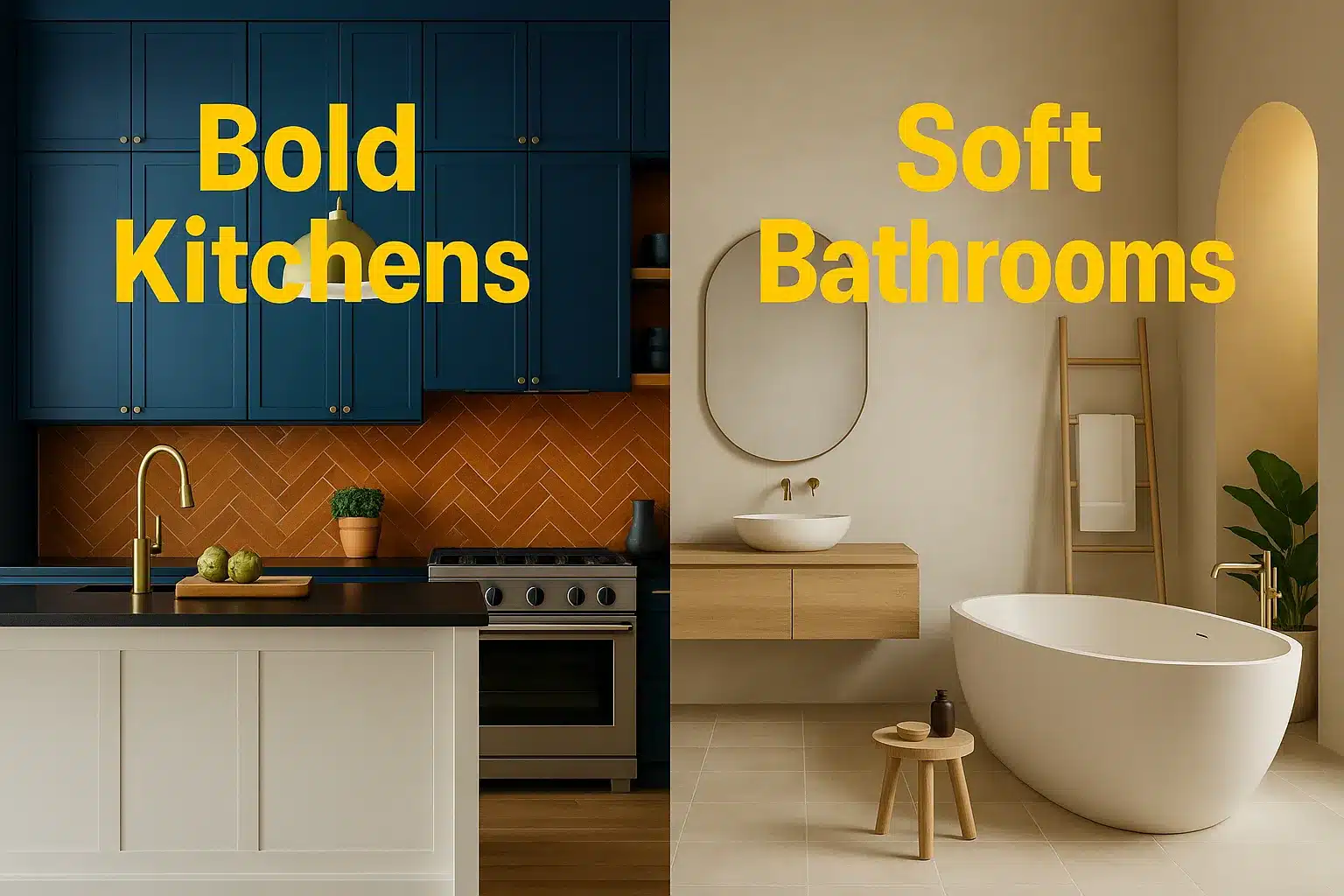
11) Bold Kitchens and Soft Bathrooms
In 2026, two of the most personal spaces in the home are getting a major upgrade.
Kitchens are stepping into the spotlight with bold color palettes,
textured backsplashes, and smart appliances that merge style with function.
Meanwhile, bathrooms are turning into spa-inspired retreats —
full of warm lighting, soft curves, and natural textures.
Builders are blending high-tech features like touchless fixtures with calming design, creating
spaces that energize and restore.
The contrast between expressive kitchens and tranquil baths defines this year’s design harmony.
12) Neighborhood-Focused Planning
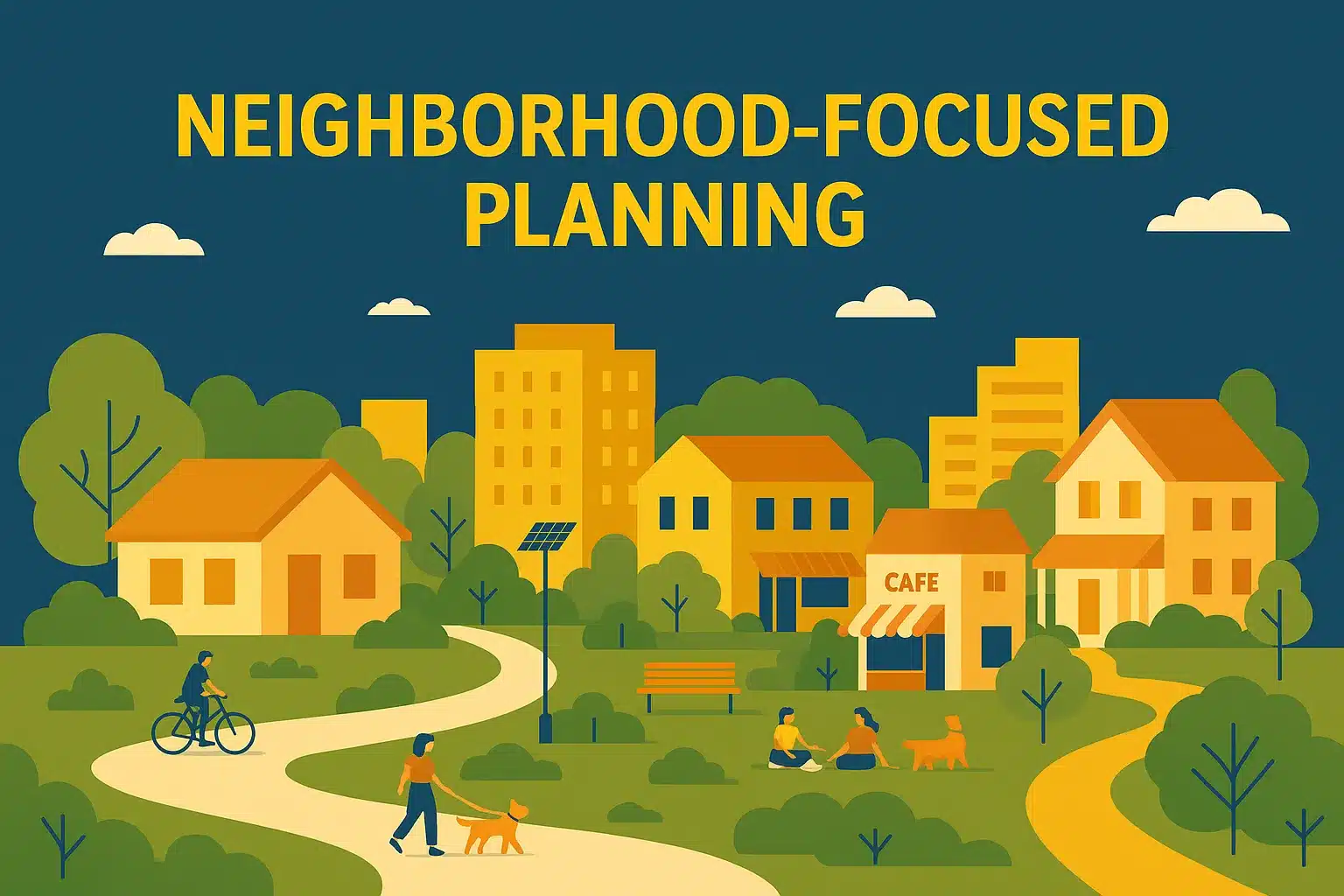
The biggest trend of 2026 extends beyond individual homes — it’s about how communities are built.
Architects and developers are prioritizing walkable neighborhoods
with shared green spaces, local amenities, and stronger connections between residents.
The focus is on human-centered design:
mixed-use zones that blend homes, cafes, parks, and workplaces into cohesive environments.
Builders are also integrating eco-conscious infrastructure — solar streetlights, rain gardens, and bike paths —
to create communities that are sustainable, social, and smart.
It’s not just about living well — it’s about living together.
13) The Future of Home Design: Balanced, Smart, and Human
From AI-driven creativity to sustainable living and wellness-focused architecture,
the home design trends of 2026 share one theme —
balance. Homes are becoming more intelligent yet more natural,
more efficient yet more personal.
Architects and builders are creating environments that support both
innovation and emotional well-being.
Whether through adaptable spaces, connected technology, or community-driven planning,
the goal is clear: design homes that enhance how people live, work, and feel every day.
2026 is the year of human-centered design —
beautiful, functional, and deeply connected to the way we live.
Ready to explore the future of home design for yourself?
Discover innovative layouts, sustainable builds, and designer-approved plans for every lifestyle.