

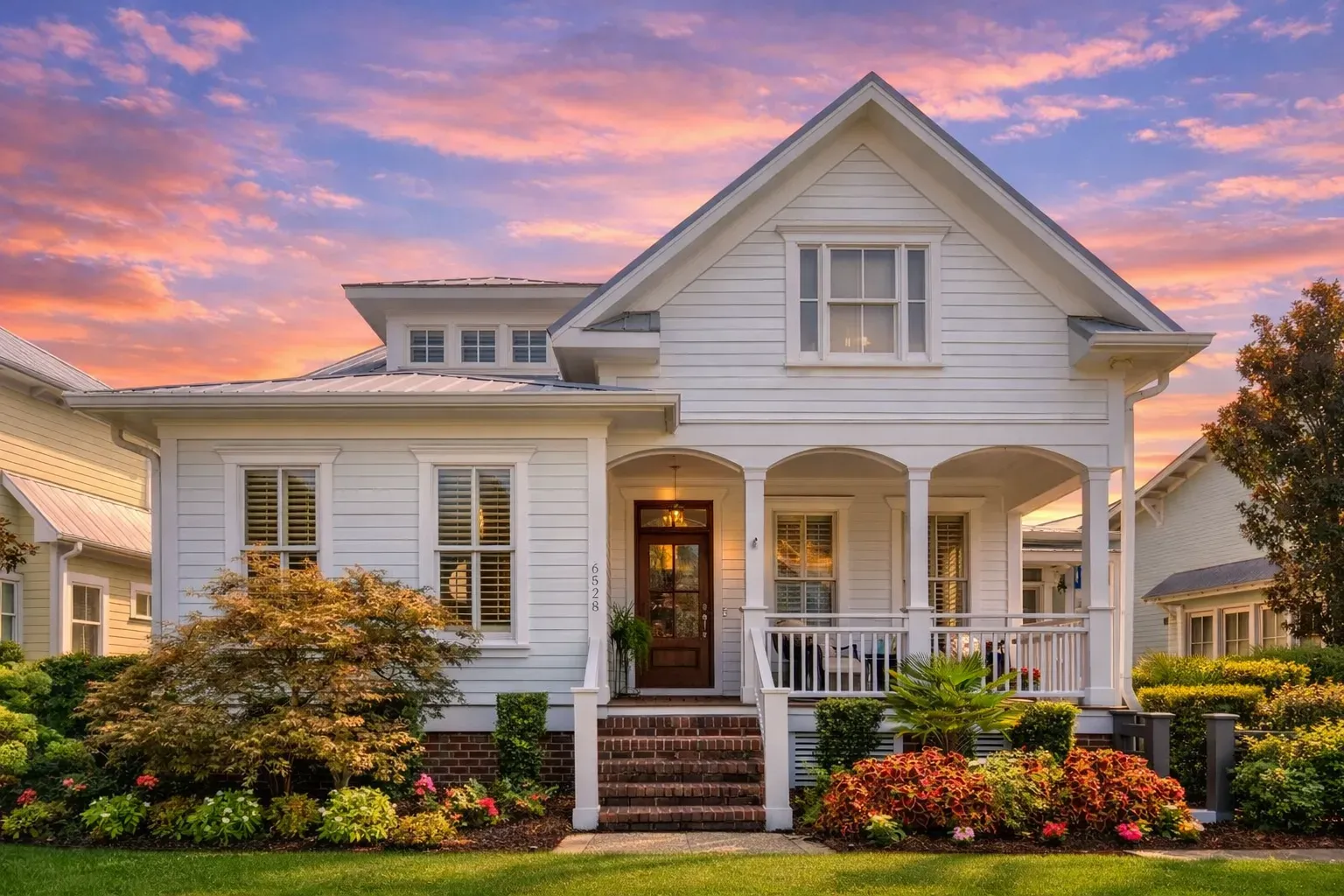
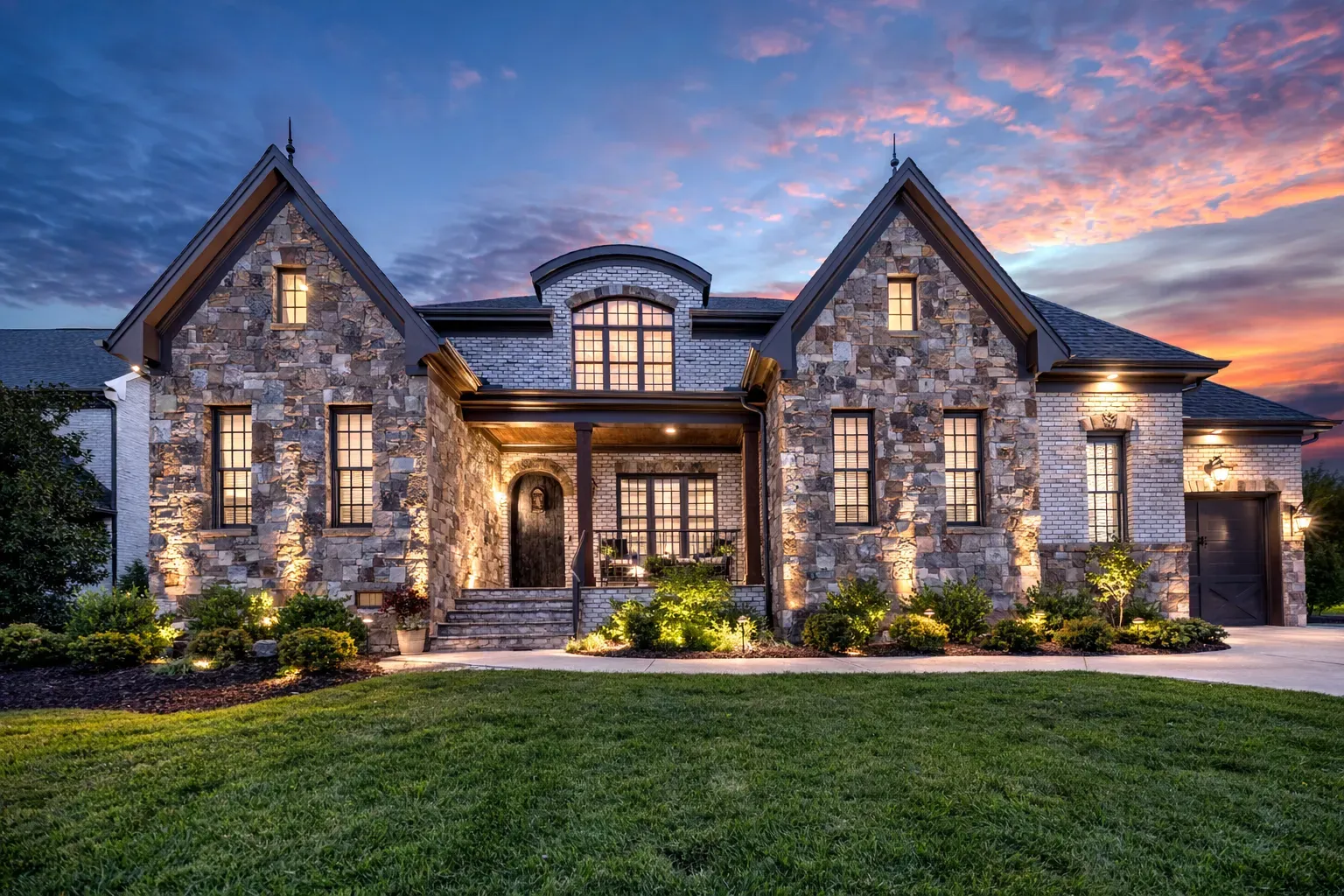
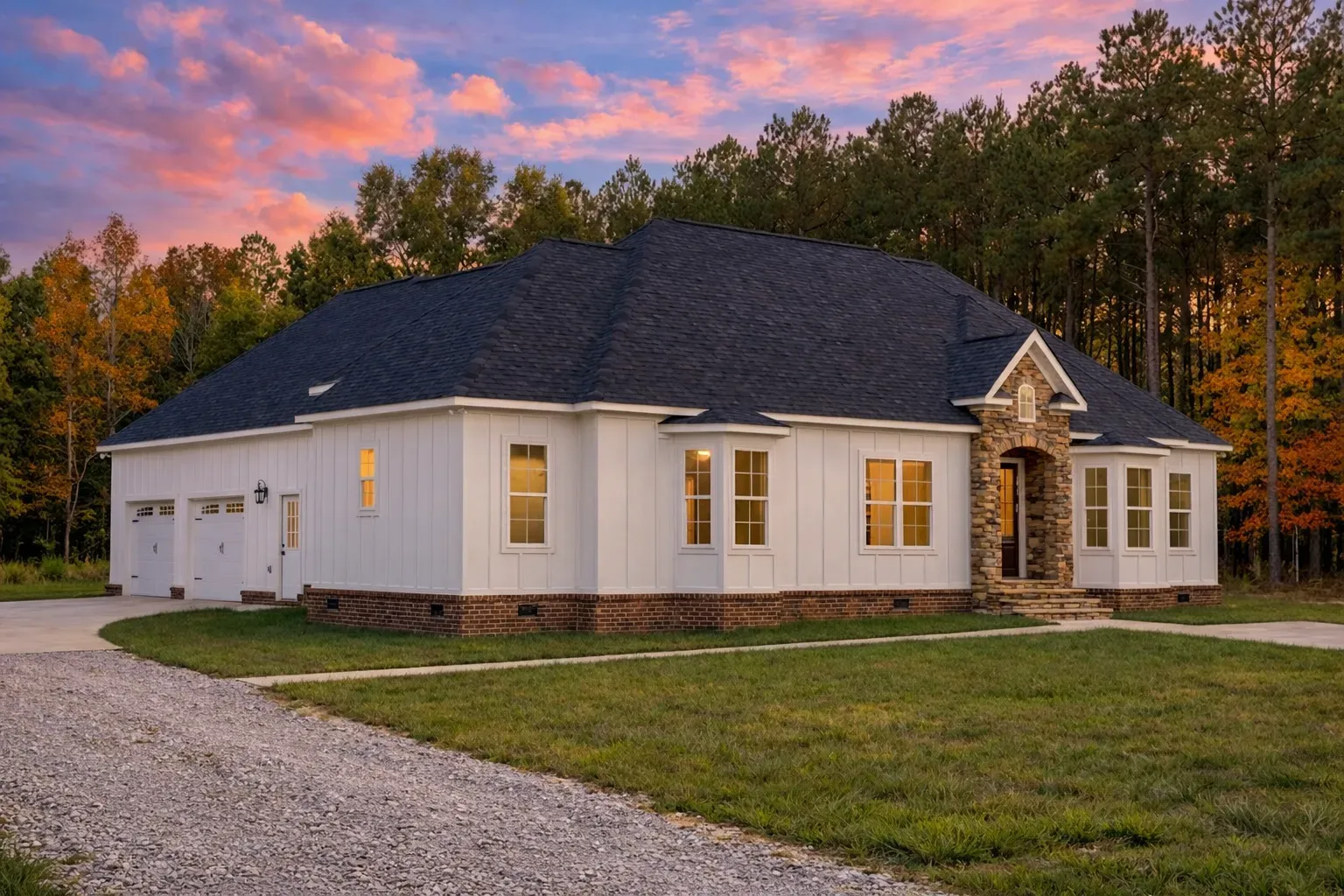
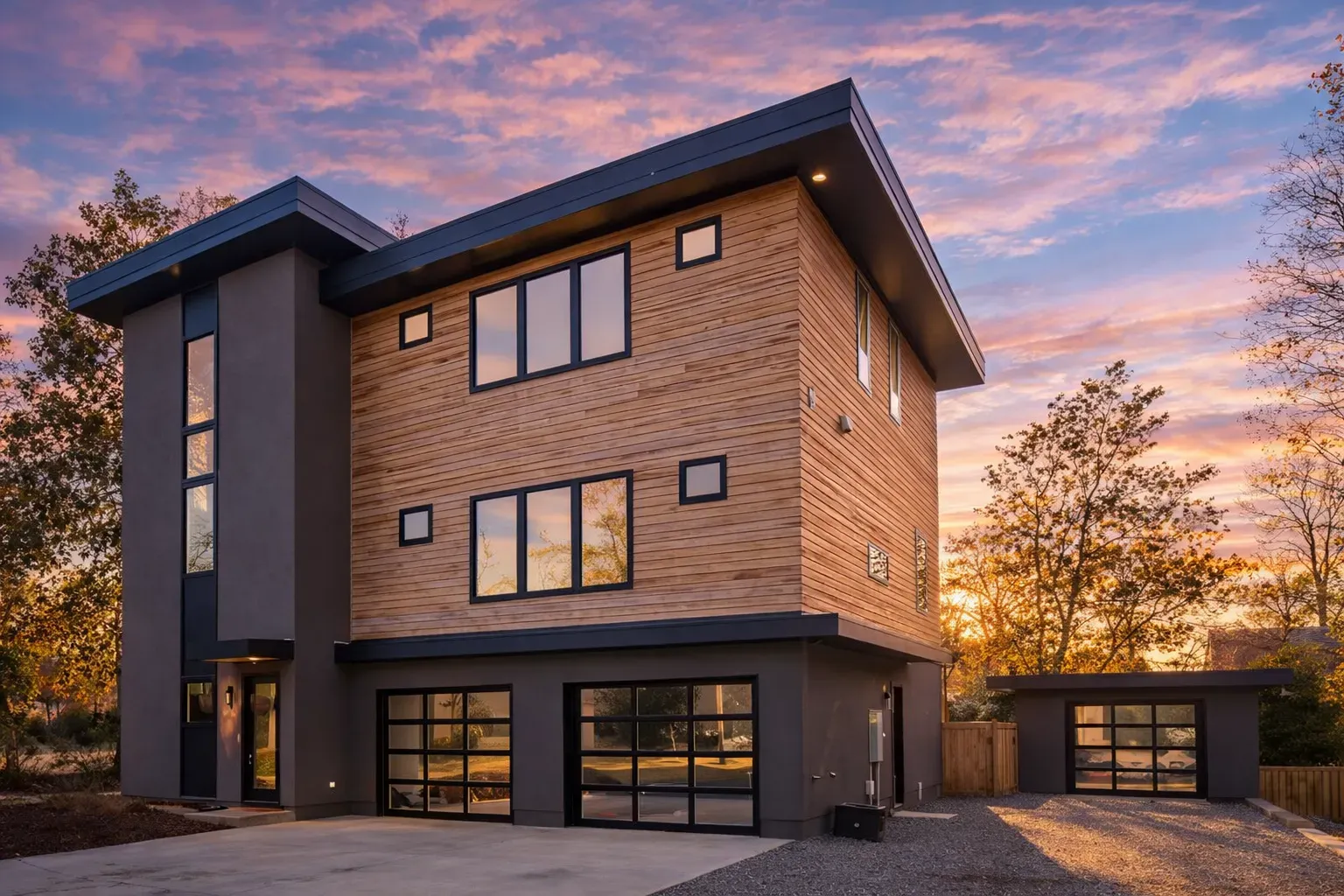
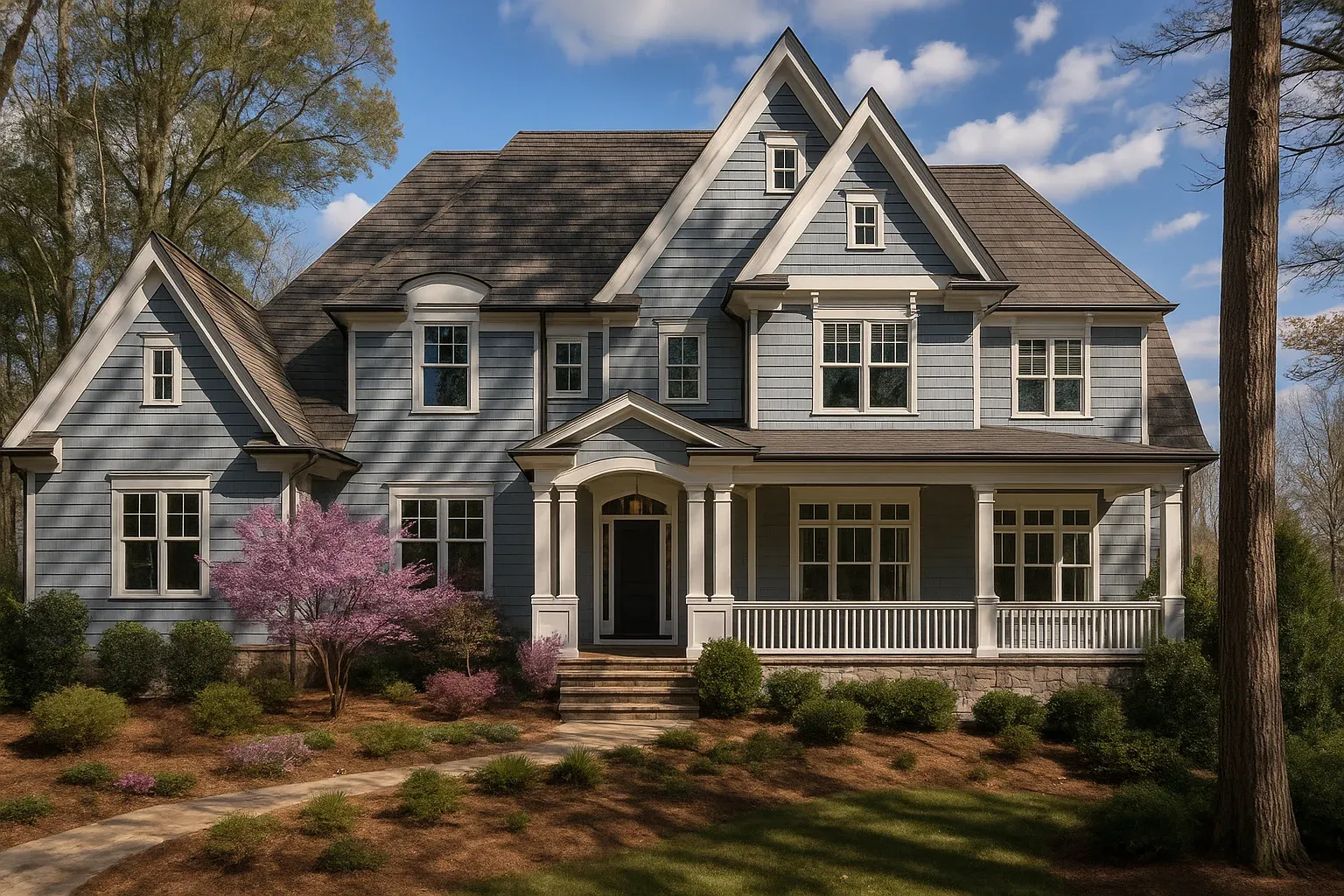
Plan 16-1606 – Ivy House | Modern Farmhouse – 3-Bed, 3.5-Bath, 2,965 SF
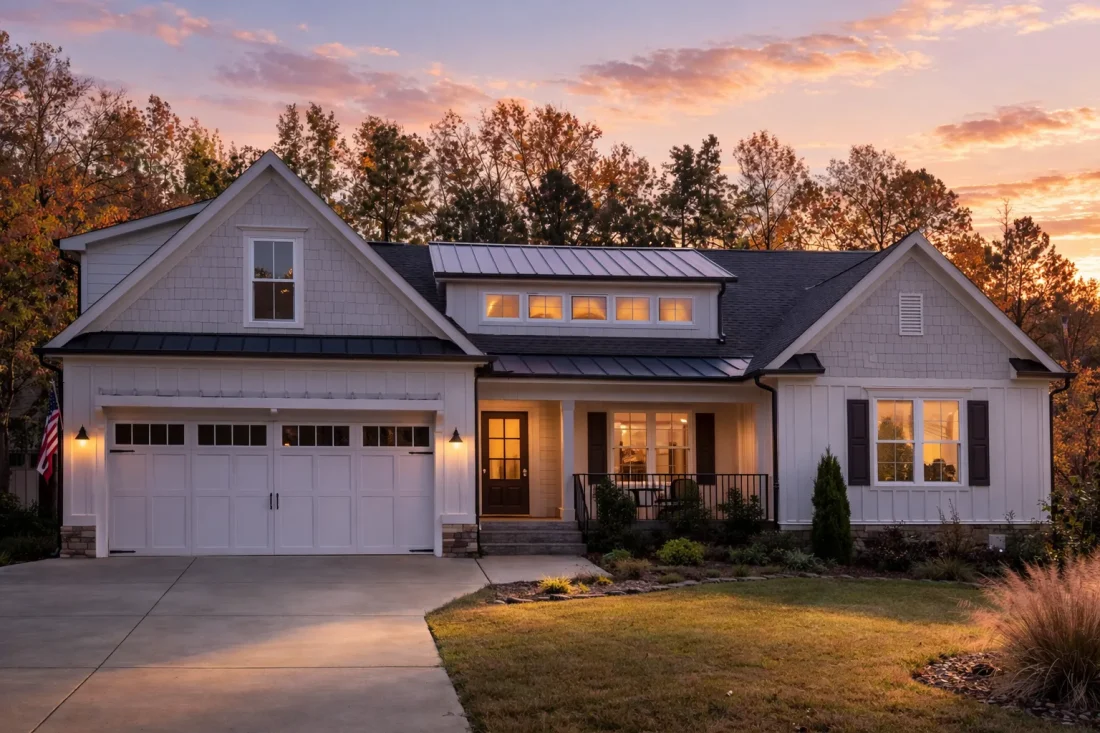
Modern Farmhouse & New American (Modern Traditional) house plan with board-and-batten + lap siding and stone veneer exterior • 3 bed • 3.5 bath • 2,965 SF. Covered front porch, open-concept core, 2-car garage. Includes CAD+PDF + unlimited build license.
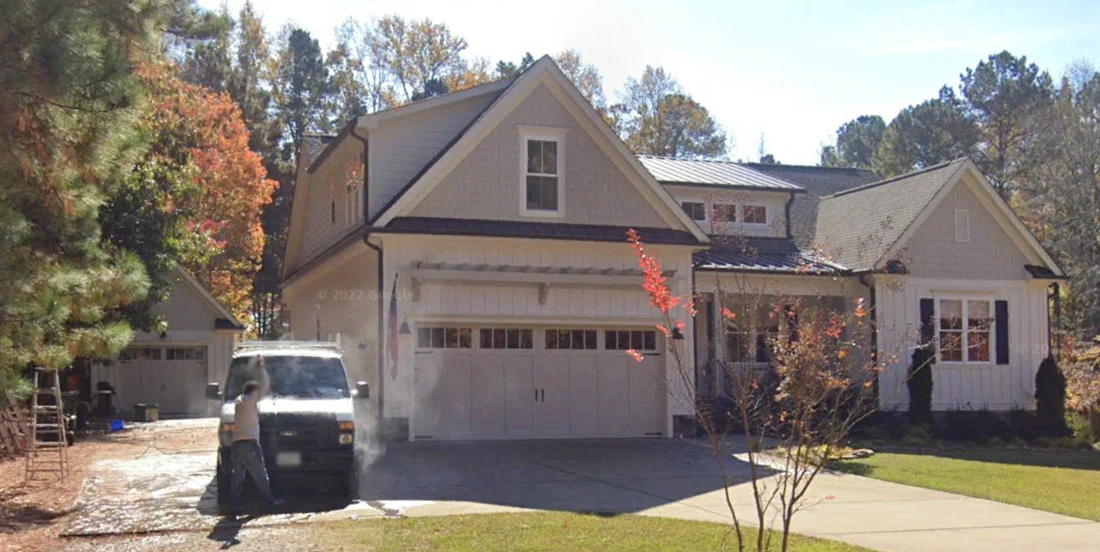
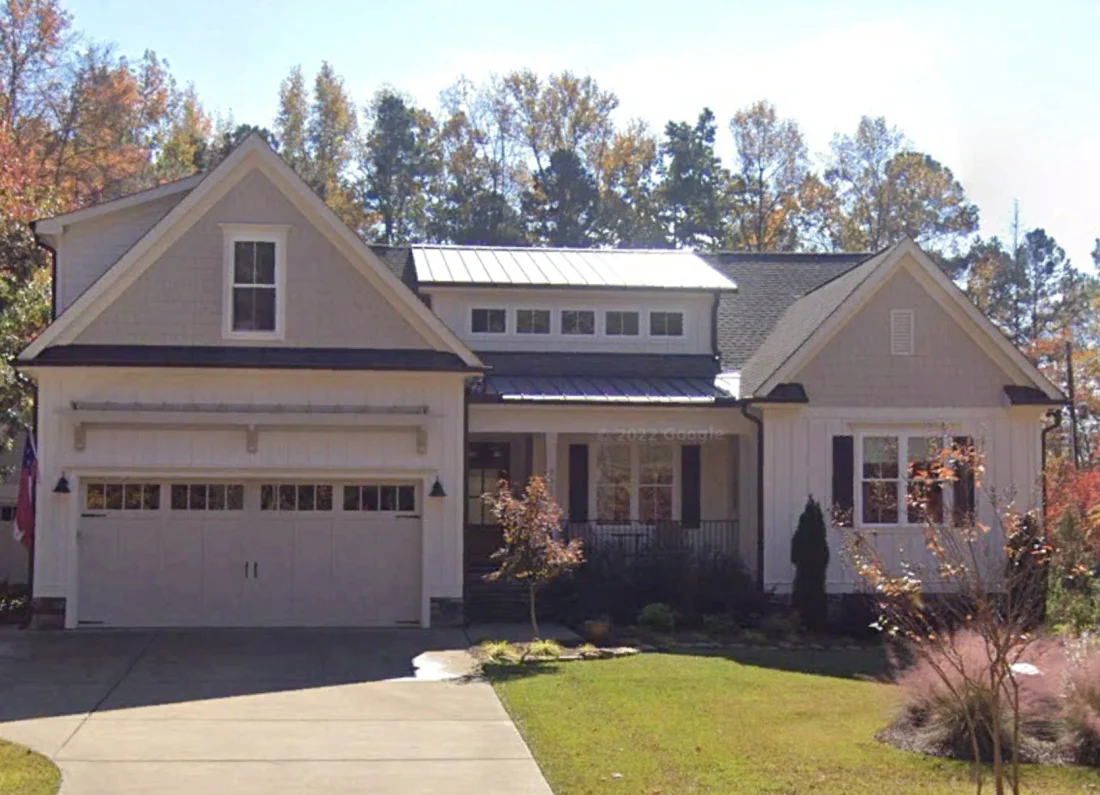
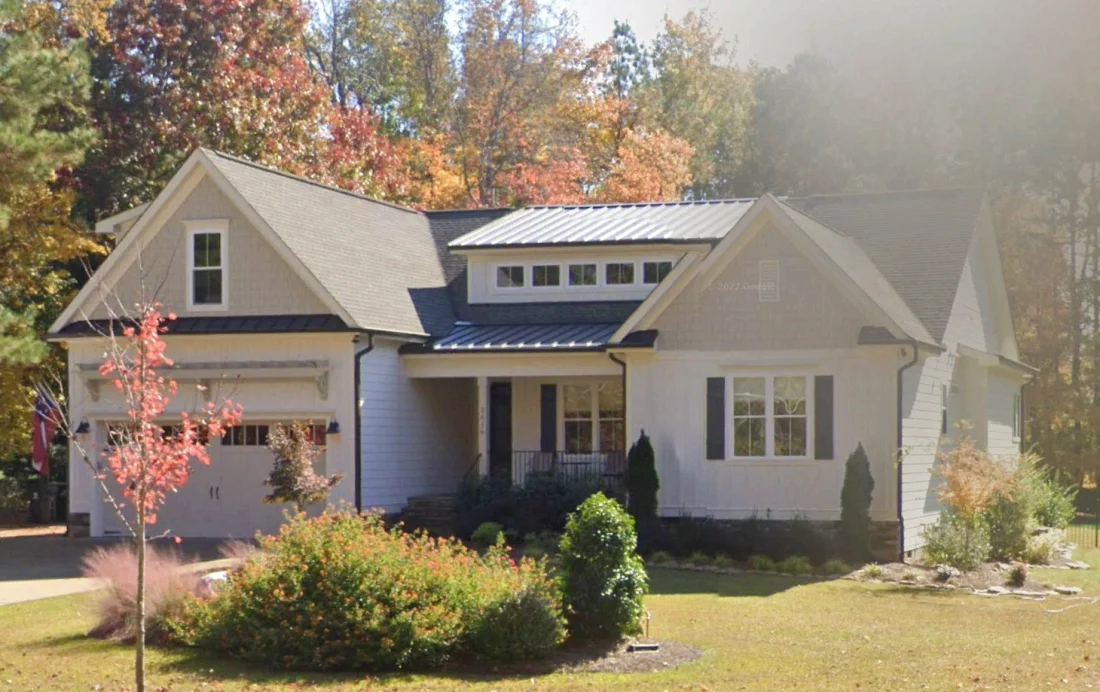


Original price was: $1,976.45.$1,254.48Current price is: $1,254.48.
999 in stock
* Please verify all details with the actual plan, as the plan takes precedence over the information shown below.
| Architectural Styles | |
|---|---|
| Width | 58'-0" |
| Depth | 71'-8" |
| Htd SF | |
| Unhtd SF | |
| Bedrooms | |
| Bathrooms | |
| # of Floors | |
| # Garage Bays | |
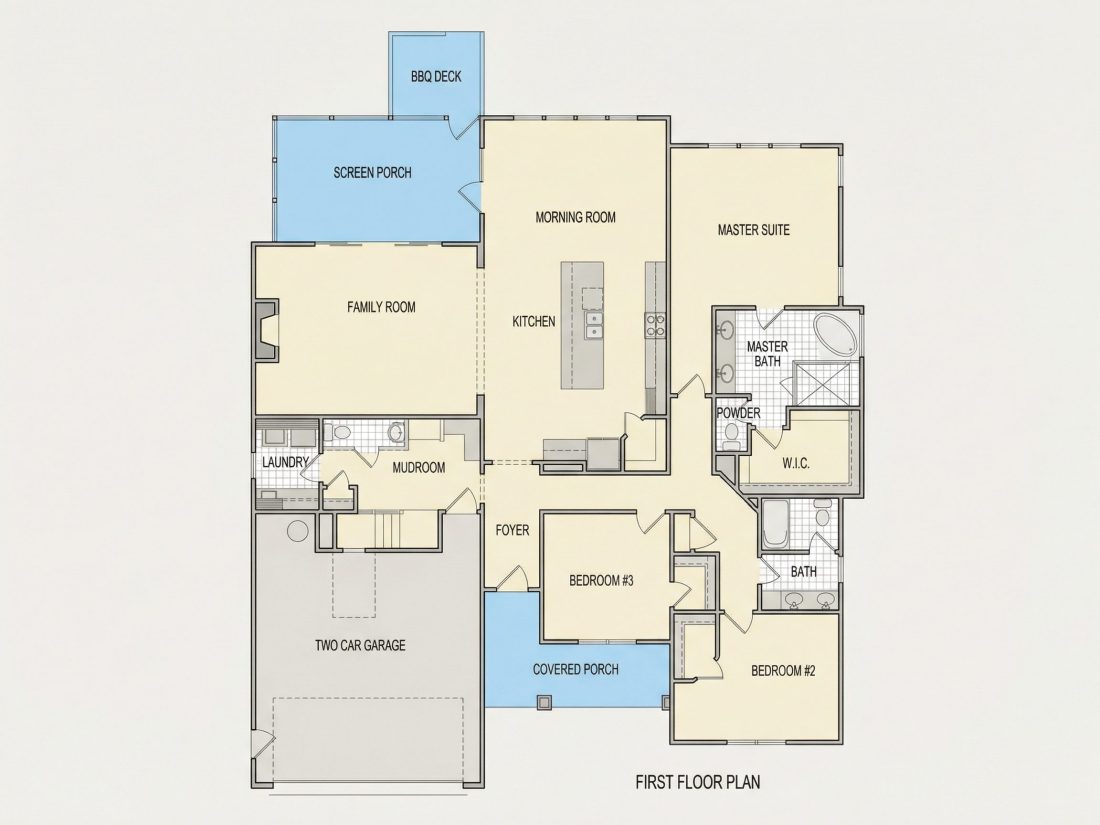
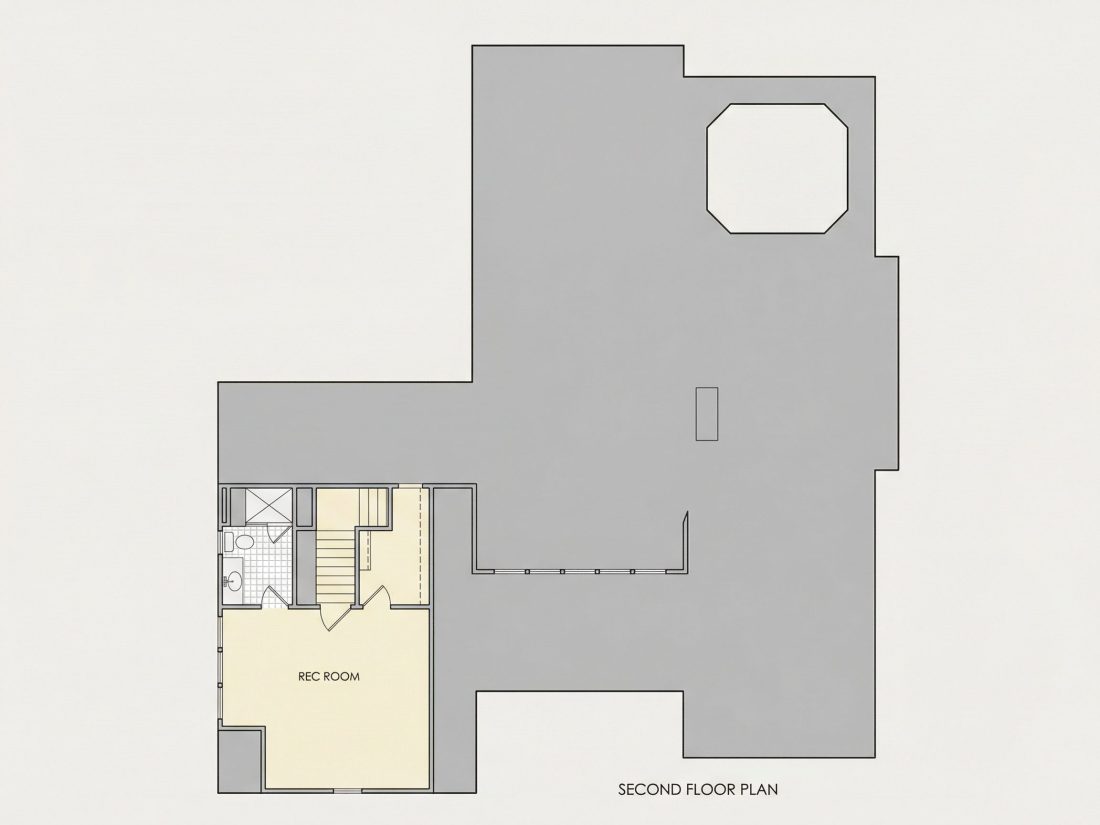
| Indoor Features | Open Floor Plan, Foyer, Mudroom, Family Room, Fireplace, Recreational Room |
| Outdoor Features | Covered Front Porch, Covered Rear Porch, Screened Porch, Deck |
| Bed and Bath Features | Bedrooms on First Floor, Owner's Suite on First Floor, Walk-in Closet |
| Kitchen Features | |
| Garage Features | |
| Condition | New |
| Ceiling Features | |
| Structure Type | |
| Exterior Material |
No reviews yet.
9 FT+ Ceilings | After Build Photos | Bedrooms on First and Second Floors | Breakfast Nook | Builder Favorites | Covered Front Porch | Covered Rear Porches | Craftsman | Family Room | Fireplaces | Fireplaces | First-Floor Bedrooms | Foyer | Front Entry | Grill Deck | Home Plans with Mudrooms | Kitchen Island | Large House Plans | Modern Craftsman Designs | Open Floor Plan Designs | Owner’s Suite on the First Floor | Recreational Room | Screened Porches | Smooth & Conventional | Traditional | Walk-in Closet | Walk-in Pantry | Workshop
Modern Farmhouse + New American House Plan with Board-and-Batten, Stone Accents, and Timeless Curb Appeal
A welcoming, build-ready design that blends modern farmhouse warmth with clean New American detailing—perfect for today’s lifestyles, neighborhoods, and long-term resale value.
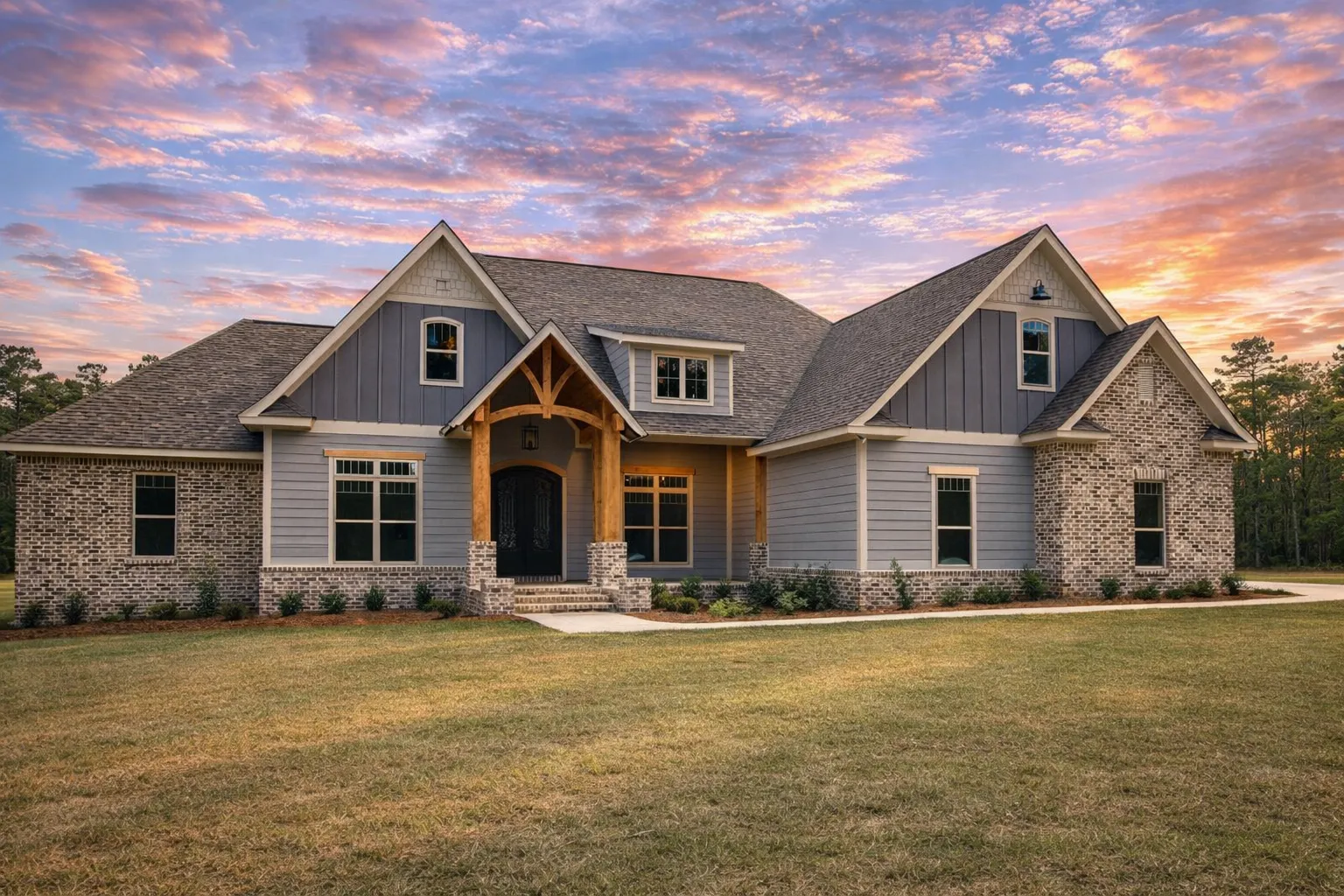
If you love the look of a crisp white farmhouse exterior but still want something that feels polished, suburban-friendly, and undeniably timeless, this
Modern Farmhouse + New American (Modern Traditional) concept hits the sweet spot. The front elevation leans into classic gable geometry with a
clean roofline, balanced windows, and a comfortable covered entry. Outside, the material palette does the heavy lifting:
board-and-batten paired with horizontal lap siding and a grounded stone veneer wainscot creates a layered, high-end finish
that looks right at home in everything from rural acreage lots to newer master-planned communities.
The overall composition is simple in the best way—strong symmetry, thoughtful proportions, and a front façade that reads “custom” without being fussy.
That’s exactly why this style continues to dominate buyer wish lists: it’s approachable, warm, and familiar, but also modern enough to feel current for the next decade.
Whether you’re building as a forever home or as a spec build designed to sell quickly, this exterior aesthetic is a proven crowd-pleaser.
Exterior Style & Materials: What Makes This Look Work
The exterior is best described as a Modern Farmhouse with a New American / Modern Traditional secondary influence.
You get the farmhouse DNA—vertical siding, a welcoming porch, simple gables—while the New American layer brings a slightly more refined, neighborhood-forward feel.
Instead of ultra-rustic details, this look stays clean and crisp with balanced fenestration and a tidy material transition at the base.
- Primary cladding: Board-and-batten siding (often fiber cement for durability and sharp shadow lines).
- Secondary cladding: Horizontal lap siding to break up massing and add subtle texture variation.
- Base treatment: Stone veneer wainscot for visual weight and upscale curb appeal.
- Roof form: Traditional gables with clean fascia lines for a classic silhouette.
- Garage: Front-load 2-car configuration that keeps daily life practical and builder-friendly.
In practical terms, this material mix is popular because it’s both attractive and buildable.
Board-and-batten creates strong vertical rhythm (which visually “lifts” the home), while lap siding softens the look and prevents the façade from feeling too tall.
The stone at the base adds a durable, low-maintenance finish in the splash zone and helps the home feel anchored to the site.
If you’re curious about how board-and-batten performs as an exterior choice—especially in terms of moisture management, detailing, and longevity—this overview from
Fine Homebuilding
is a solid reference point (and a nice reminder that great exteriors are all about the details).
Designed for Real Life: Why Modern Farmhouse Plans Stay in Demand
A modern farmhouse exterior isn’t just a trend—it’s become a “new classic.” Homeowners love that it photographs beautifully, feels bright and welcoming,
and pairs well with a wide range of interior design directions. You can style it warm and rustic with stained wood accents, or keep it crisp and modern with black windows,
simple trim, and minimal landscaping lines. Either way, it delivers that instant curb appeal that makes guests slow down at the driveway—and makes buyers click “save” online.
The New American influence matters here too. It helps this design feel at home in traditional neighborhoods where overly modern designs can stand out in the wrong way.
That makes it especially versatile for suburban builds and for communities with architectural guidelines.
Key Highlights Homeowners Love About This Style
- Balanced, timeless façade that won’t date quickly as trends shift.
- Layered siding strategy (board-and-batten + lap) for visual depth and “custom” character.
- Stone veneer base for durability and upscale finish.
- Covered entry that improves comfort, protection from weather, and overall curb appeal.
- Front-load 2-car garage that’s practical, cost-effective, and easy to live with.
Smart Layout Potential: Planning the Interior Around This Elevation
While the image showcases the exterior elevation, this architectural style typically supports a highly livable interior plan—especially in the
3-bedroom range—because the massing naturally divides the home into functional zones. The attached garage side commonly pairs with a mudroom or drop zone,
the central portion often becomes the main living core, and the opposite wing frequently supports flexible rooms like a study, guest room, or a bright dining space.
If you’re building a plan in the ~2,000–2,400 heated square foot range, this exterior profile usually aligns beautifully with modern expectations:
an open-concept main area, generous kitchen storage, and a comfortable bedroom arrangement that works for families, downsizers, or anyone who wants a guest room and office.
Main Living Core: Open-Concept Without Feeling “Wide Open”
One of the biggest wins in modern farmhouse planning is the ability to create a connected living core that still feels intentional.
The goal isn’t a giant echo chamber—it’s a layout where people can cook, relax, and hang out together without stepping on each other.
In many modern farmhouse New American layouts, you’ll see clear zones:
a kitchen with a strong focal point island, a dining space that feels anchored, and a living room oriented toward natural light and backyard views.
- Kitchen island focus: Ideal for homework, snacks, and casual entertaining.
- Walk-in pantry potential: A must-have in modern builds for storage and clean countertops.
- Dining flexibility: Space that can swing formal, casual, or “everyday + entertaining.”
- Living room comfort: Designed for furniture-friendly walls and good TV/fireplace placement.
Bedrooms: Comfort, Privacy, and Long-Term Flexibility
A 3-bedroom layout is popular because it’s incredibly adaptable. For a growing family, it’s the classic setup:
owner suite + two bedrooms. For professionals, it often becomes:
owner suite + office + guest room. And for empty nesters, it can be:
owner suite + hobby room + grandkid-ready guest room.
Modern farmhouse plans also tend to prioritize the everyday experience: smart closet space, sensible hallway flow,
and bathroom placement that keeps guests comfortable without compromising private zones.
Garage & Daily Entry: The “Command Center” Effect
The attached 2-car garage isn’t just about parking—it’s about simplifying daily life. The best plans treat the garage entry as a functional transition:
a place to drop shoes, bags, and jackets so the rest of the home stays calm and tidy.
Pair this elevation with a mudroom bench, cubbies, or a closet, and you get an instant quality-of-life upgrade that families feel every single day.
- Drop zone: Keeps clutter from migrating into the kitchen and living room.
- Storage strategy: Works great with pantry adjacency and laundry placement.
- Weather buffer: Especially useful in rainy climates or areas with seasonal mess.
Curb Appeal Details: How to Style This Exterior Like a Magazine Cover
This elevation already has the architectural bones for strong curb appeal. The difference between “nice” and “wow” comes down to finishing touches.
Here are style-forward, builder-friendly ideas that complement the modern farmhouse + New American blend without drifting into overly trendy territory:
- Window accents: Black or bronze frames add contrast; white frames keep it classic and bright.
- Front door color: Deep navy, natural wood tone, or matte black for instant focal point.
- Lighting: Simple lantern-style sconces at the garage and porch reinforce the farmhouse vibe.
- Landscaping: Low, layered plantings along the stone base highlight the material transition.
- Hardscape: A clean walkway line and tidy mulch edge instantly elevates the look.
Want it to feel slightly more upscale and modern? Emphasize contrast (darker windows, sharper lighting, minimal plant palette).
Want it to feel warmer and more classic? Lean into natural wood accents, softer light temperature, and fuller landscaping layers.
Building Notes: Materials and Finishes That Pair Well with This Elevation
Because this exterior uses a mix of textures, your finish selections matter. The goal is a cohesive palette with enough contrast to read from the street.
Builders often choose fiber cement for board-and-batten and lap siding because it holds paint well and stays crisp.
Stone veneer at the base should match the roof tone and the driveway color so everything feels unified.
- Recommended siding: Fiber cement board-and-batten + lap (durable, paint-stable, clean lines).
- Recommended trim: Simple, slightly thicker trim boards for shadow and definition.
- Recommended stone tone: Neutral mix (grays/creams) that complements roof shingles.
- Recommended garage door: Carriage-inspired panels for farmhouse charm, or flat modern panels for a cleaner New American lo
Plan 16-1606 – Ivy House | Modern Farmhouse – 3-Bed, 3.5-Bath, 2,965 SF
- BOTH a PDF and CAD file (sent to the email provided/a copy of the downloadable files will be in your account here)
- PDF – Easily printable at any local print shop
- CAD Files – Delivered in AutoCAD format. Required for structural engineering and very helpful for modifications.
- Structural Engineering – Included with every plan unless not shown in the product images. Very helpful and reduces engineering time dramatically for any state. *All plans must be approved by engineer licensed in state of build*
Disclaimer
Verify dimensions, square footage, and description against product images before purchase. Currently, most attributes were extracted with AI and have not been manually reviewed.
My Home Floor Plans, Inc. does not assume liability for any deviations in the plans. All information must be confirmed by your contractor prior to construction. Dimensions govern over scale.