

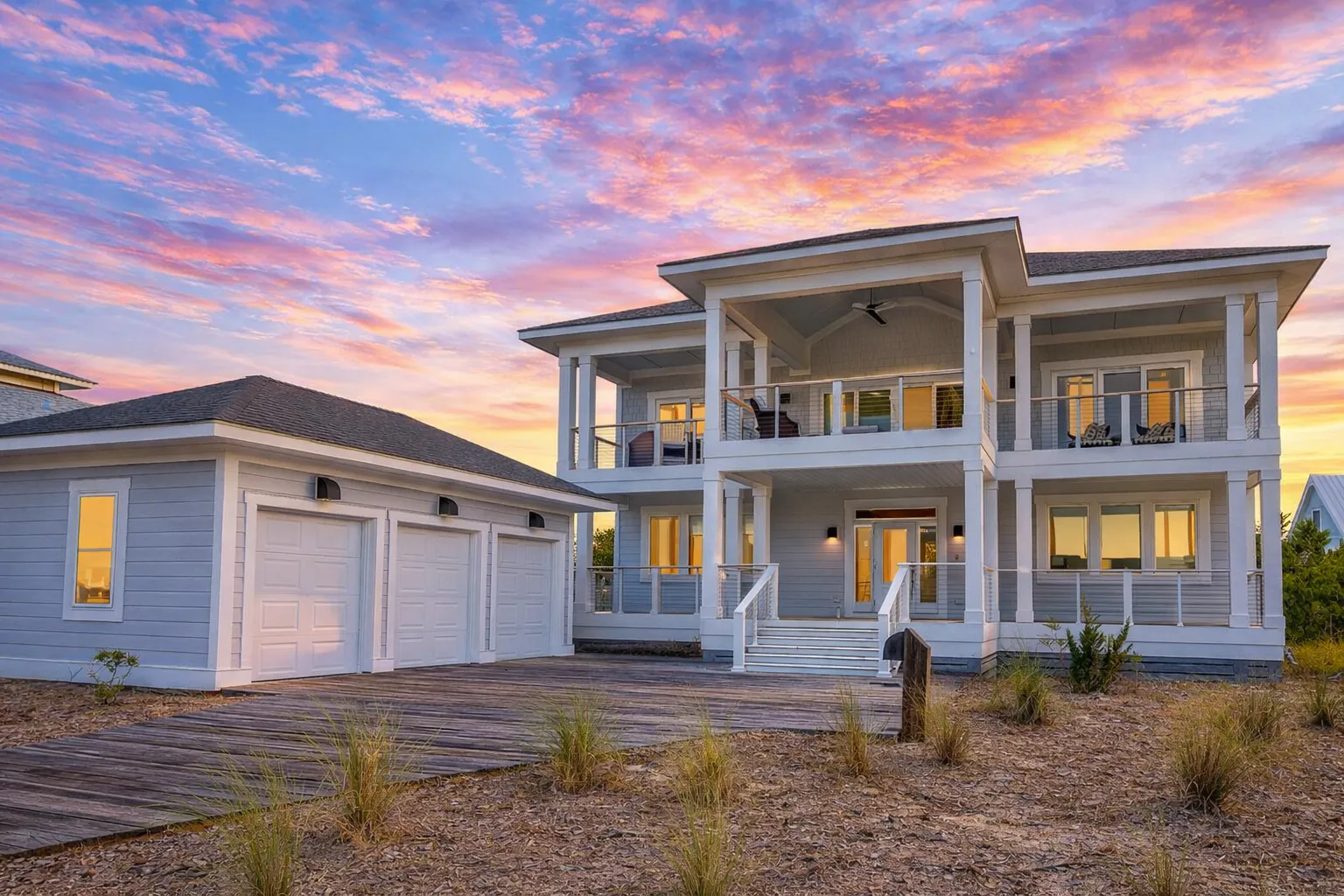
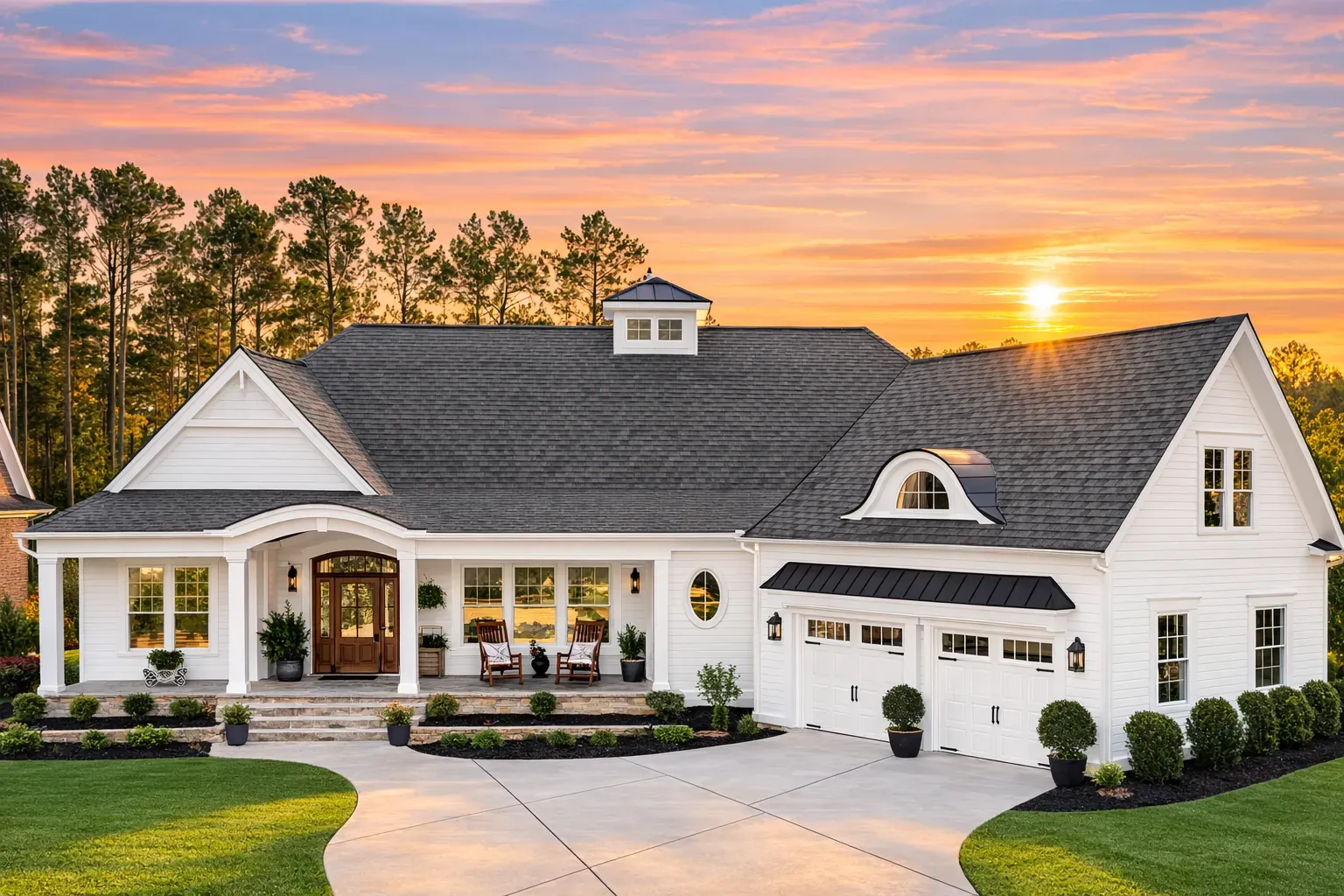
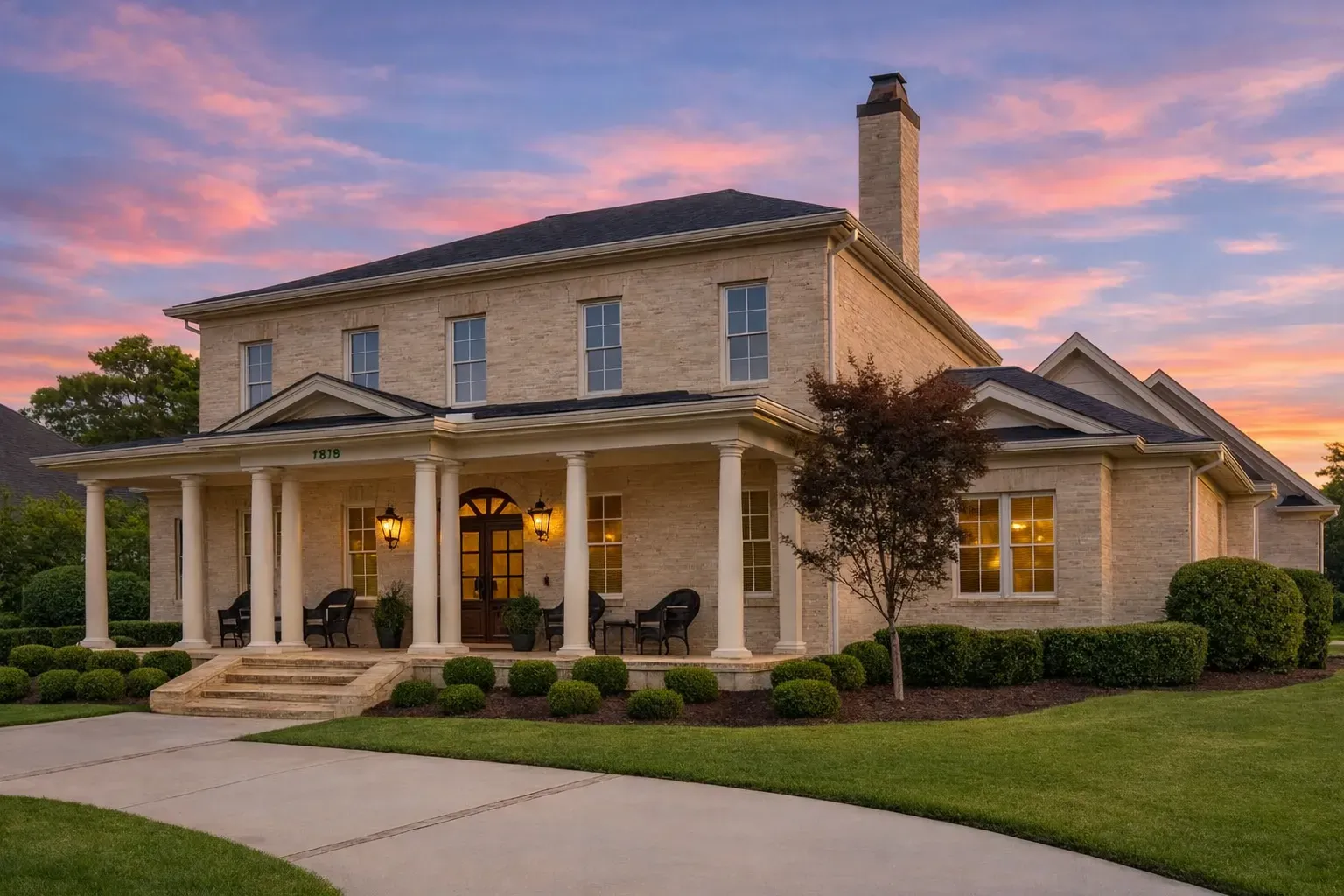
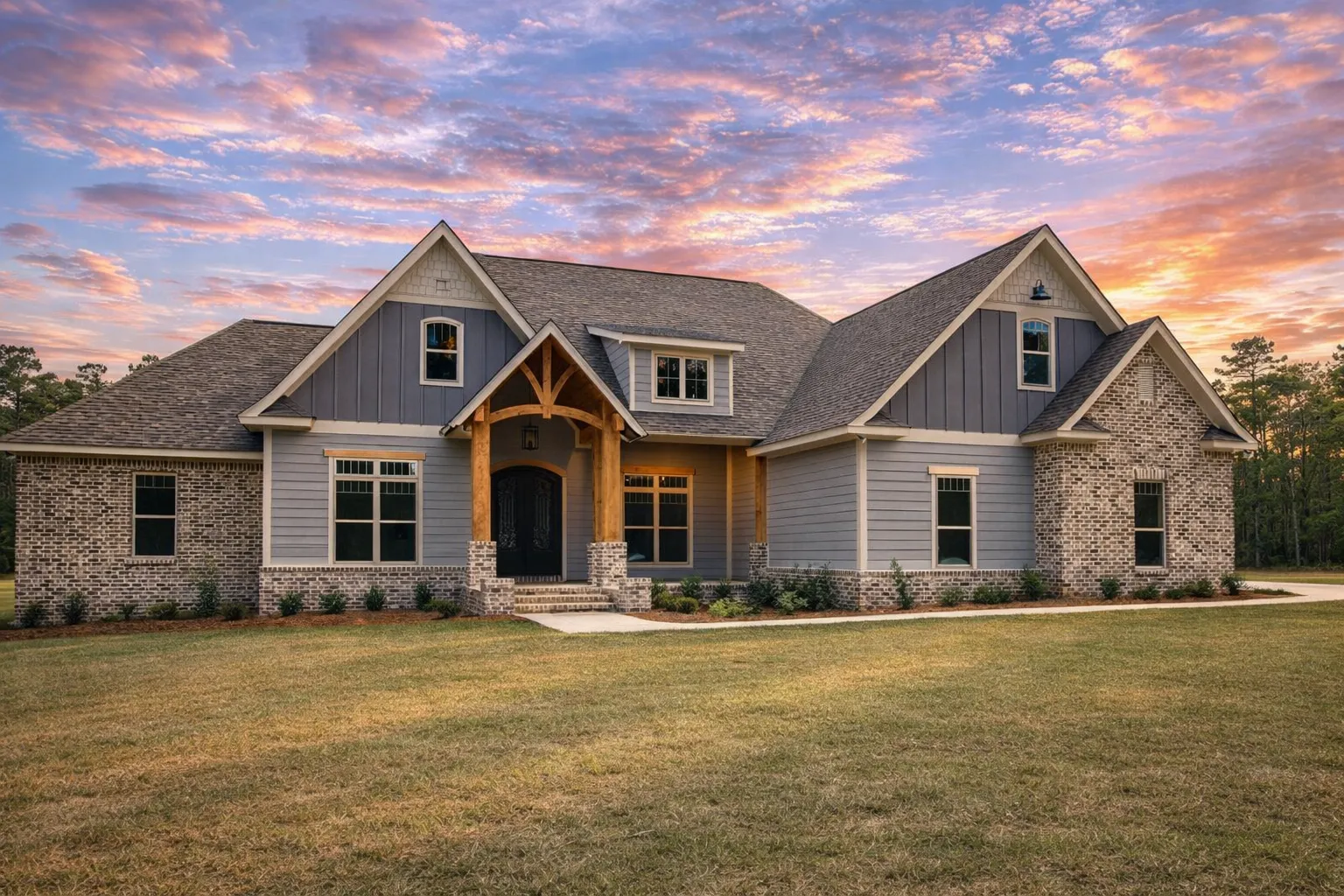
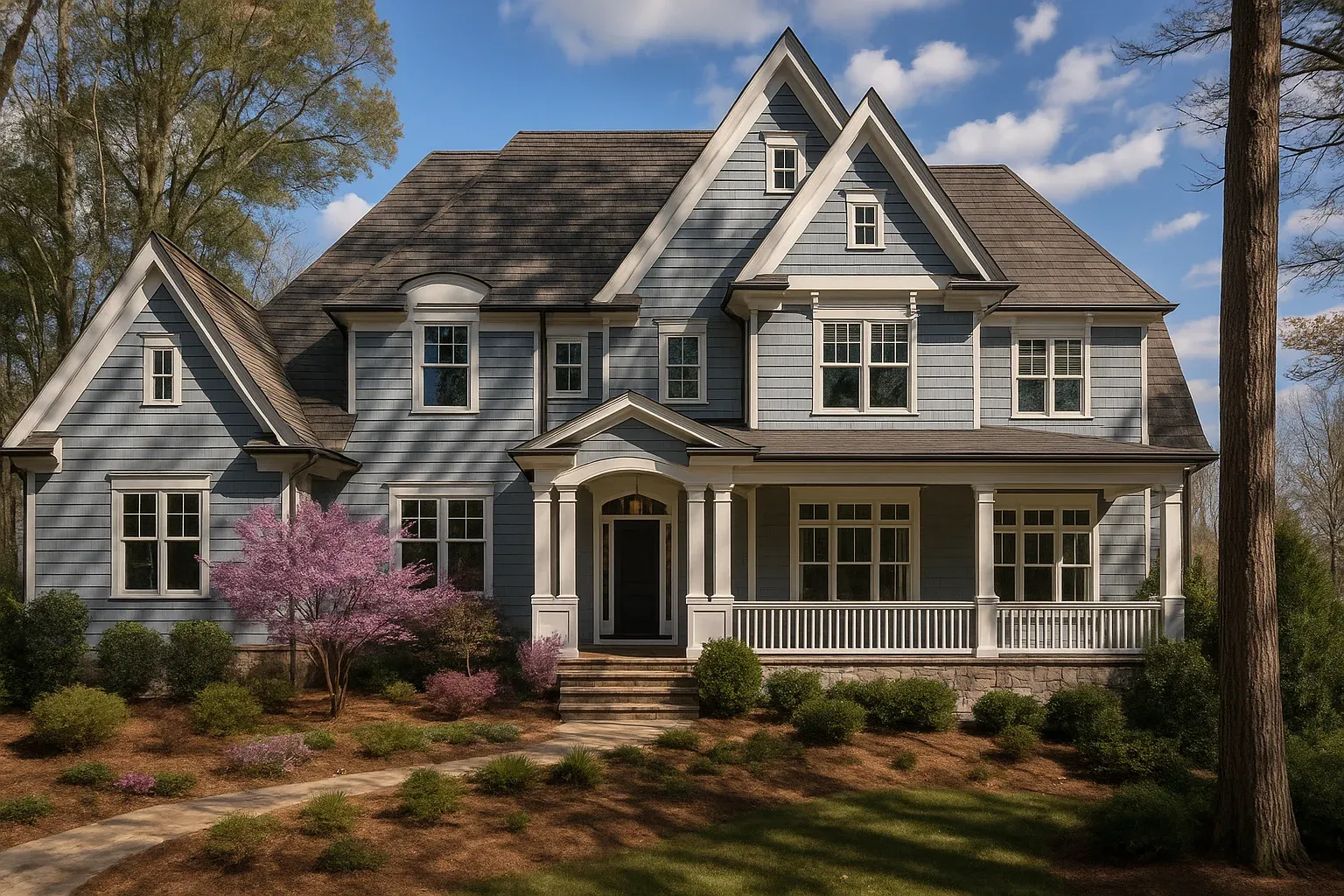
Plan 14-1433 – Fairview | Traditional Neo-Colonial – 4-Bed, 4.5-Bath, 4,908 SF
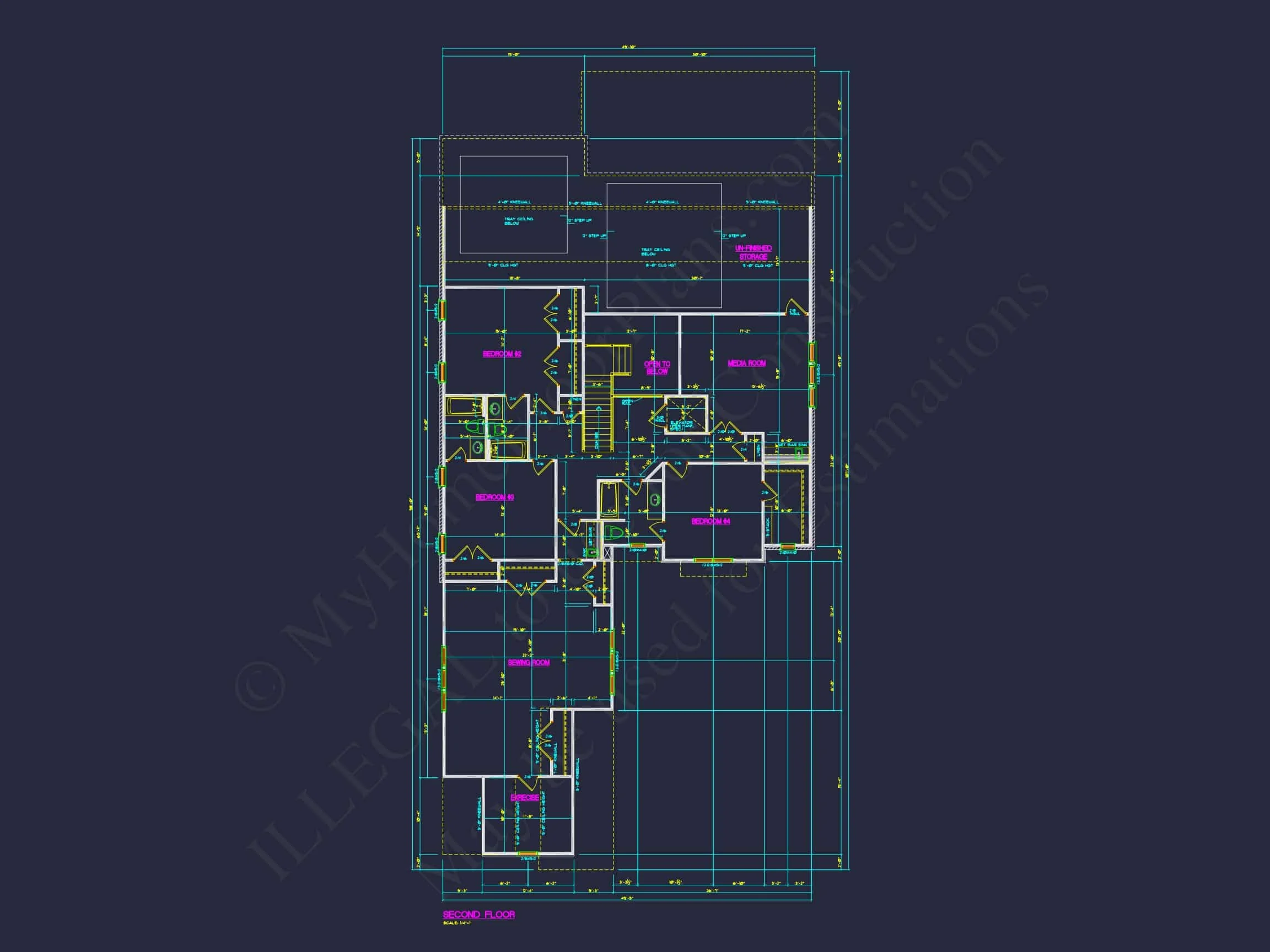
Traditional / Classic Suburban & Neo-Colonial (Colonial Brick) house plan with brick, stone veneer, and lap siding exterior • 4 bed • 4.5 bath • 4,908 SF. Symmetrical curb appeal, flexible front room/office, and open kitchen-to-family flow. Includes CAD+PDF + unlimited build license.
Original price was: $2,870.56.$1,754.99Current price is: $1,754.99.
999 in stock
* Please verify all details with the actual plan, as the plan takes precedence over the information shown below.
| Width | 50'-3" |
|---|---|
| Depth | 107'-0" |
| Htd SF | |
| Unhtd SF | |
| Bedrooms | |
| Bathrooms | |
| # of Floors | |
| # Garage Bays | |
| Architectural Styles | |
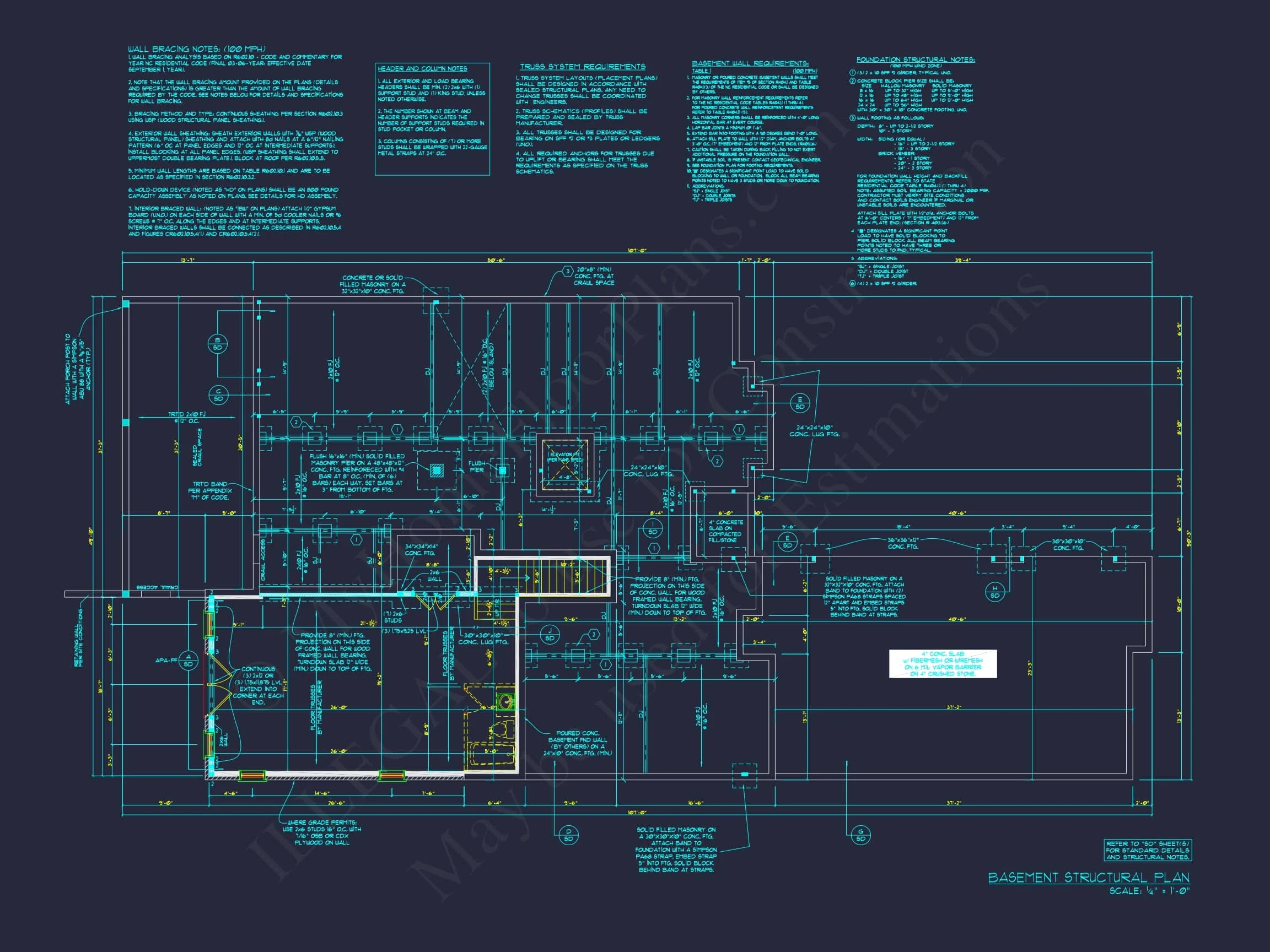
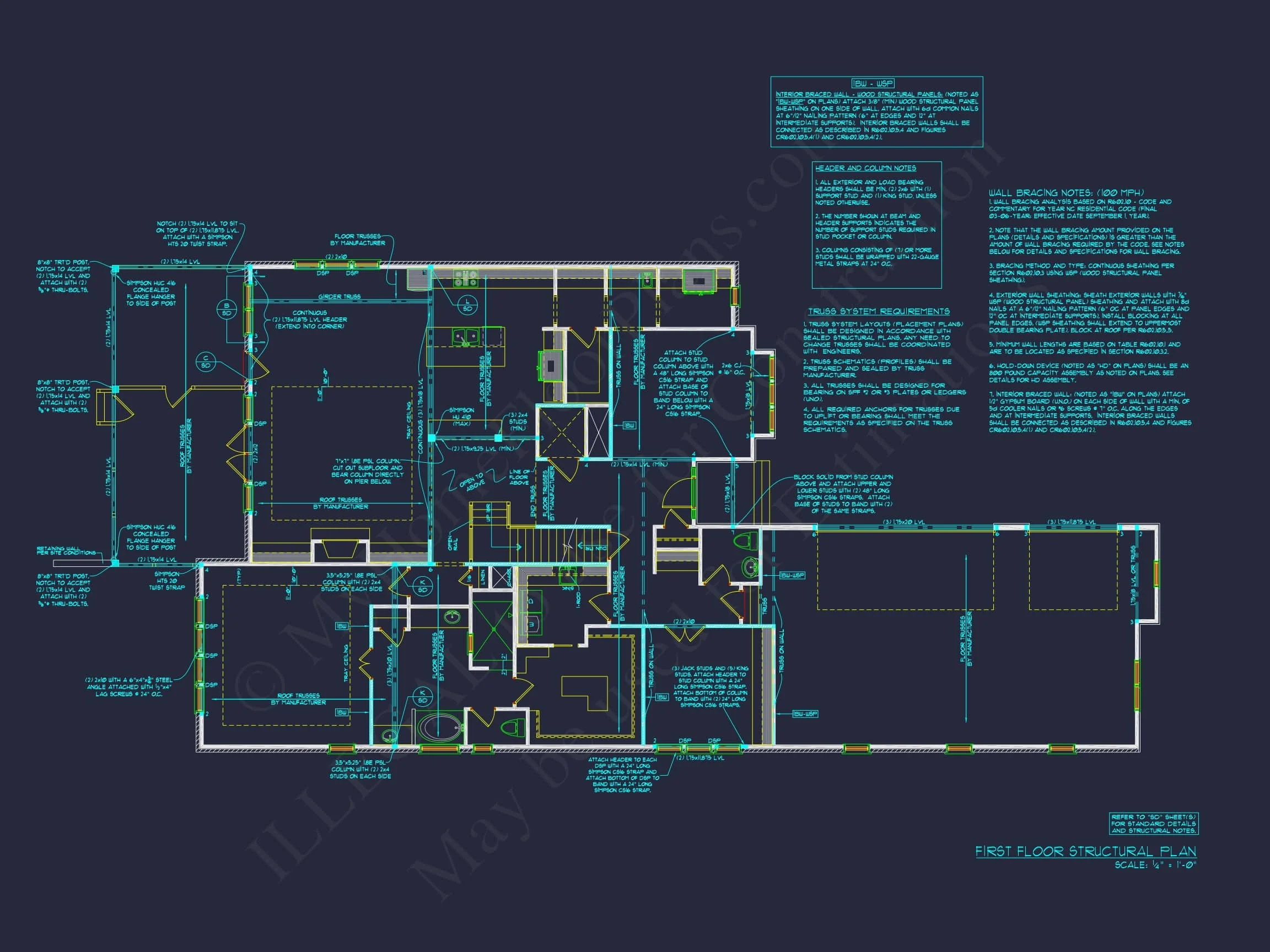
| Indoor Features | Open Floor Plan, Mudroom, Great Room, Family Room, Living Room, Fireplace, Office/Study, Bonus Room, Large Laundry Room, Attic, Basement |
| Outdoor Features | |
| Bed and Bath Features | Bedrooms on First Floor, Bedrooms on Second Floor, Owner's Suite on First Floor, Jack and Jill Bathroom, Walk-in Closet |
| Kitchen Features | Kitchen Island, Breakfast Nook, Butler's Pantry, Walk-in Pantry |
| Garage Features | |
| Condition | New |
| Ceiling Features | |
| Structure Type | |
| Exterior Material |
Matthew Kelly – May 23, 2024
Strong support even on weekends!
10 FT+ Ceilings | 9 FT+ Ceilings | Attics | Basement | Basement Garage | Bedrooms on First and Second Floors | Bonus Rooms | Breakfast Nook | Builder Favorites | Butler’s Pantry | Covered Front Porch | Covered Rear Porches | Family Room | Fireplaces | Fireplaces | First-Floor Bedrooms | Great Room | Home Plans with Mudrooms | Jack and Jill | Kitchen Island | Large House Plans | Large Laundry Room | Living Room | Modern Craftsman Designs | New American Designs | Office/Study Designs | Open Floor Plan Designs | Oversized Designs | Owner’s Suite on the First Floor | Screened Porches | Second Floor Bedroom | Side Entry Garage | Sloped Lot | Traditional | Tray Ceilings | Vaulted Ceiling | Walk-in Closet | Walk-in Pantry | Workshop
Traditional Neo-Colonial House Plan with Brick & Stone Exterior
A classic, balanced two-story design that pairs Colonial-inspired order with modern everyday comfort.
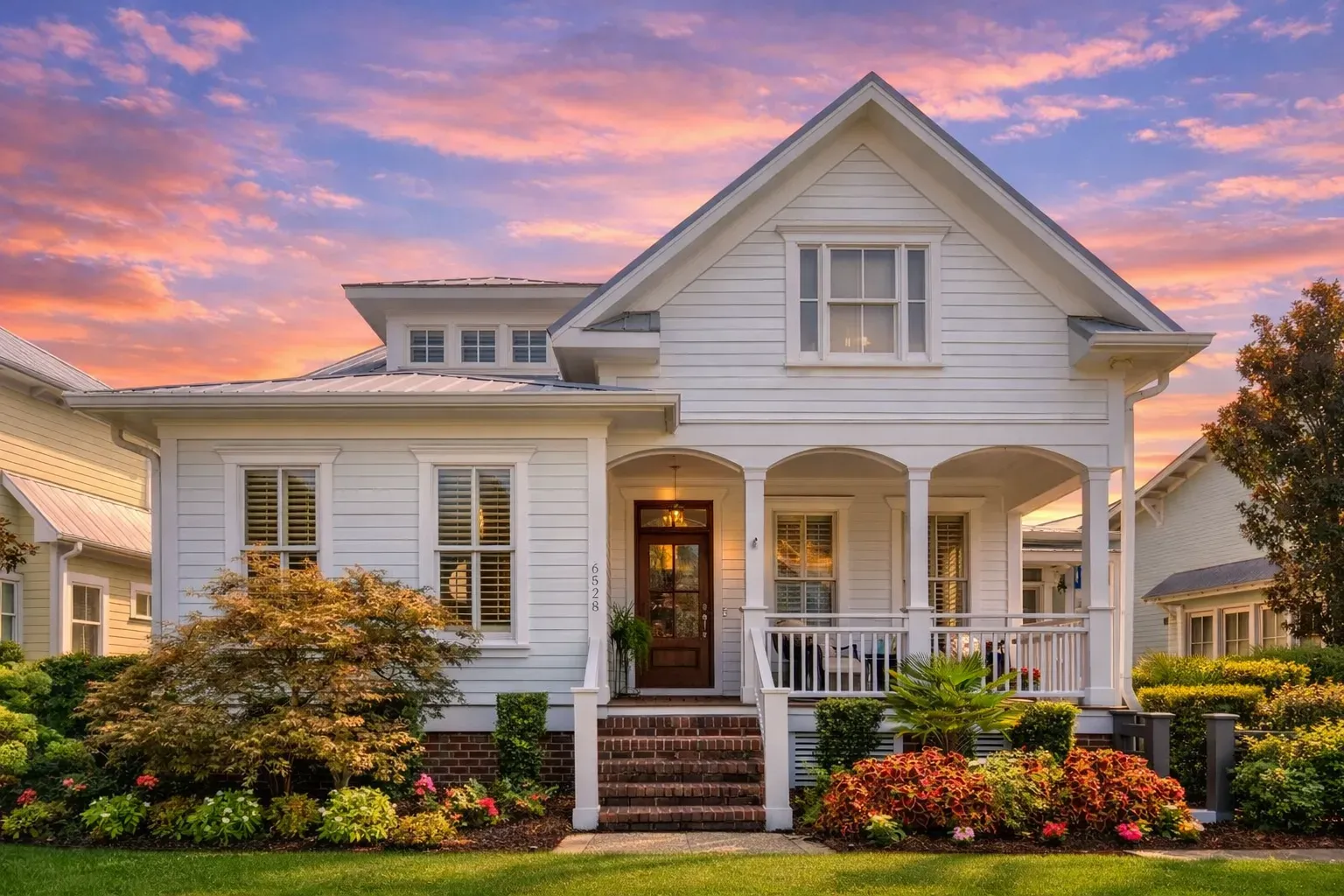
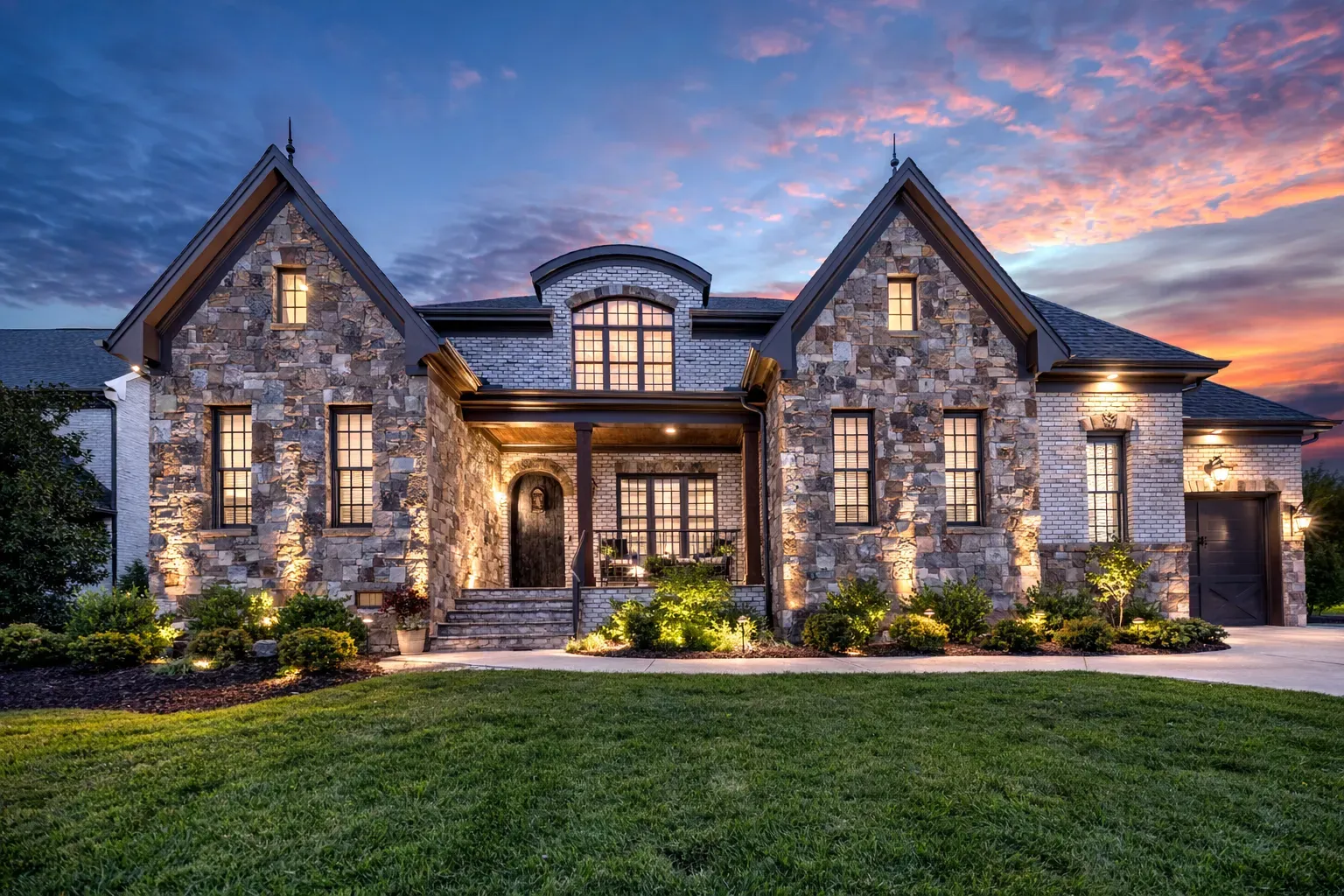
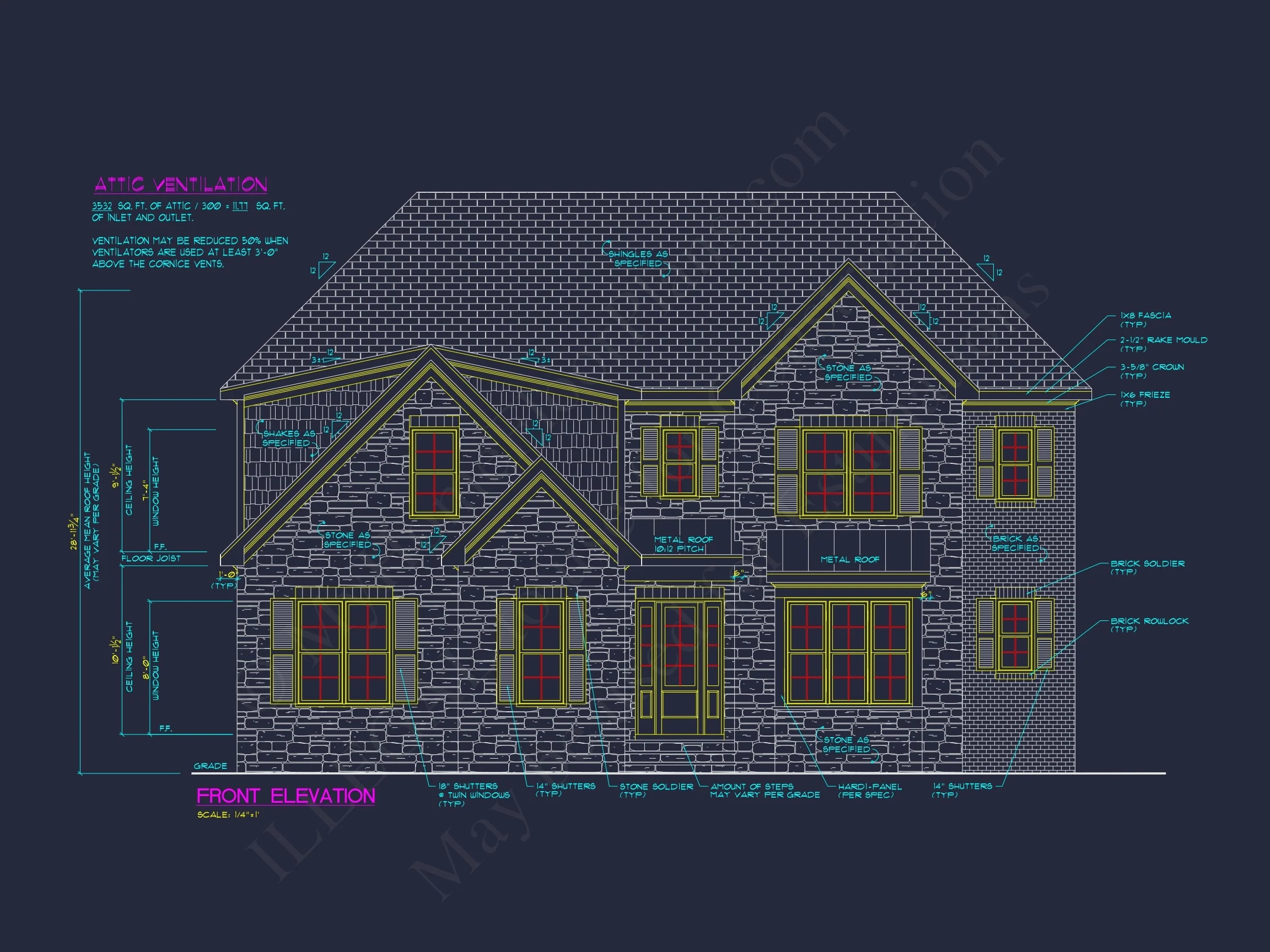
If you’re drawn to the timeless curb appeal of Traditional / Classic Suburban architecture, but you also want the refined symmetry and detailing associated with Neo-Colonial design, this home plan delivers the best of both worlds. The front elevation reads instantly familiar in the best way: a composed, two-story silhouette, thoughtfully proportioned windows, and a welcoming centered entry that feels both formal and friendly. This is a Colonial Brick-leaning exterior done in a contemporary buildable way—beautiful from the street, comfortable inside, and adaptable for real-life routines.
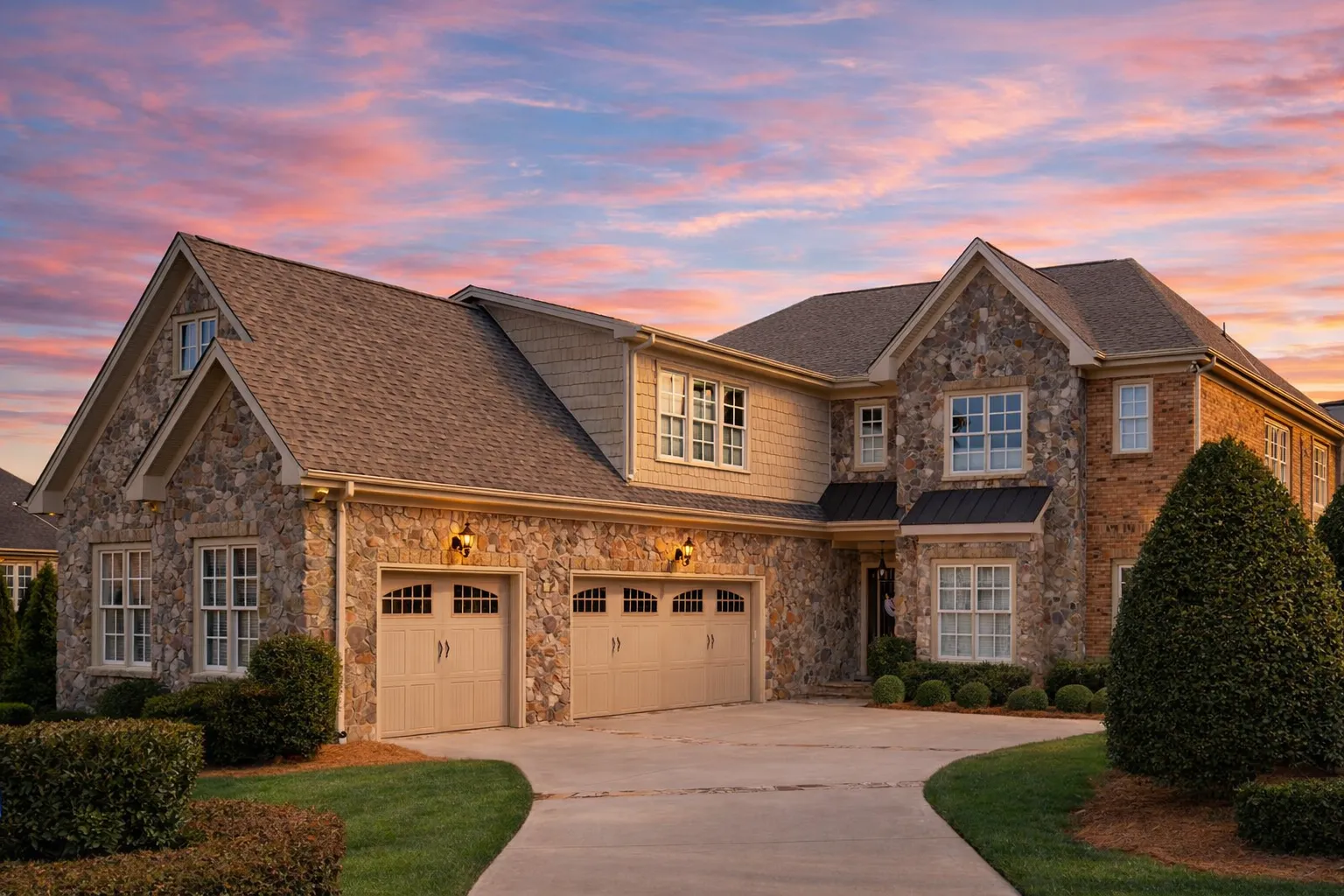
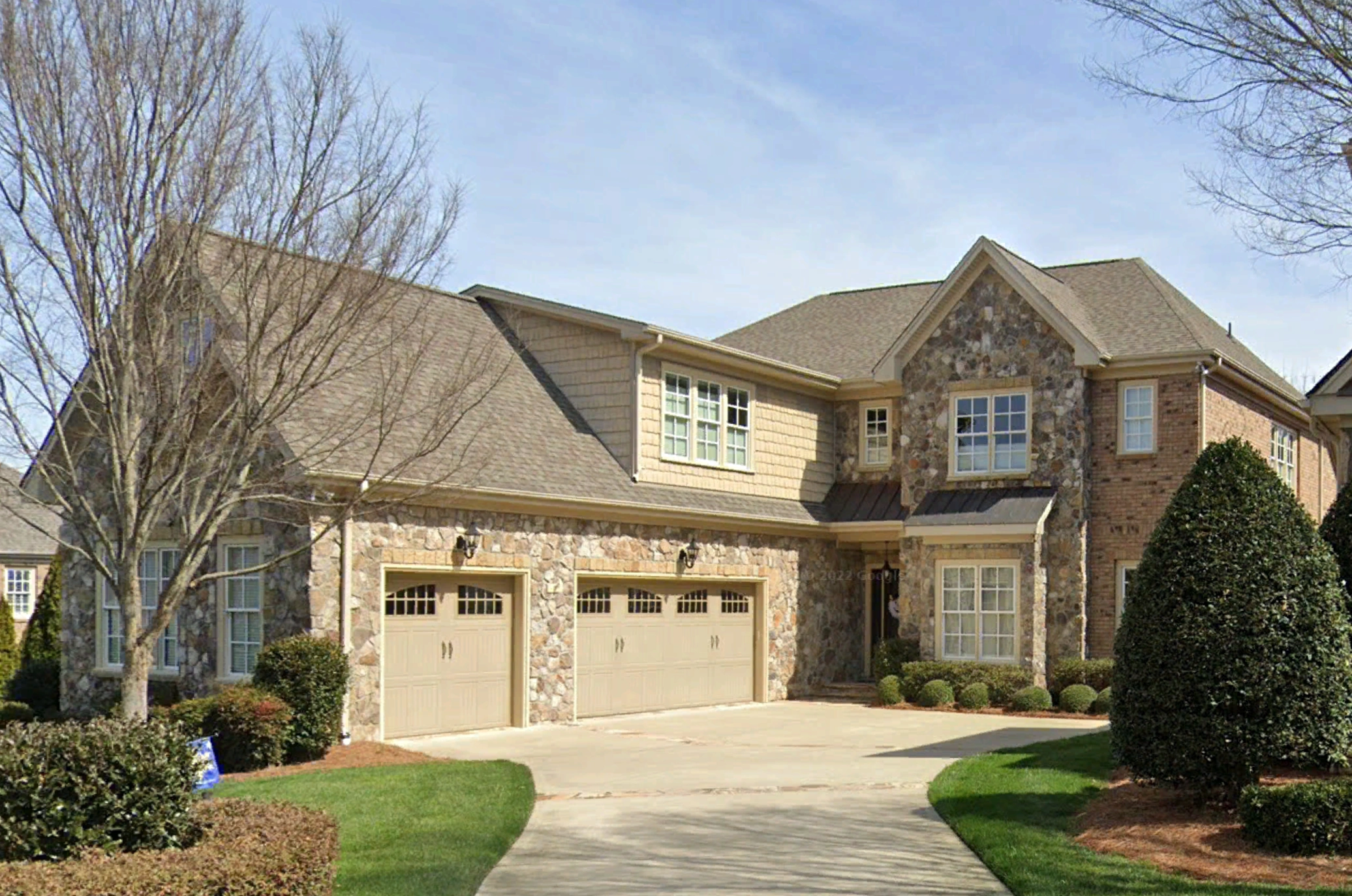
The exterior palette makes the design feel grounded and enduring. A brick façade provides the primary material presence, complemented by stone veneer accents that add texture and depth around key architectural elements. Subtle lap siding areas introduce contrast without breaking the traditional aesthetic, while the gabled roofline and classic shutters reinforce the home’s Traditional character. The result is a confident, market-friendly look that fits established neighborhoods, new suburban communities, and even semi-rural lots where you want a home that feels substantial without feeling over-styled.
Exterior Design: What Makes This Traditional Neo-Colonial Elevation Work
Traditional homes succeed when their details feel intentional rather than busy. This elevation keeps the composition clean and readable, using a few key moves that deliver long-lasting curb appeal:
- Brick as the primary exterior material for a sense of permanence and classic value.
- Stone veneer accents to create focal points and visual weight where the eye naturally lands.
- Lap siding sections used strategically as a lighter counterbalance to masonry massing.
- Symmetry-forward window placement that nods to Colonial tradition while still feeling current.
- Gabled roof geometry that adds character without complicating construction.
- Shutters and trim detailing to reinforce the Traditional / Classic Suburban identity.
Because the façade relies on proportion and material contrast rather than fussy ornamentation, it stays relevant over time. This is the kind of exterior that still feels “right” years after trends shift—an important consideration for homeowners thinking about long-term satisfaction and resale strength.
Material Notes: Brick, Stone Veneer, Lap Siding, and Roofing
A Traditional Neo-Colonial look is only as convincing as the materials that support it. This plan’s exterior is designed around proven, widely available finishes that builders understand well:
Brick exterior: Brick delivers a classic texture, strong color stability, and an instantly recognizable “finished” appearance. It’s also a material that pairs naturally with Colonial-inspired massing, especially when windows and trim are carefully aligned.
Stone veneer accents: Stone is used as a feature element, adding visual richness and emphasizing architectural breaks. Whether you select a warmer fieldstone look or a cleaner, more uniform stone profile, the accents create dimension and help the entry and major volumes stand out.
Horizontal lap siding: Siding areas introduce a lighter visual plane and provide a clean transition on secondary masses. It’s a practical way to add contrast without losing Traditional credibility, and it can be finished in classic neutrals for a crisp, tailored look.
Asphalt shingle roofing: A dark, dimensional shingle complements the brick-and-stone combination and maintains a Traditional profile while remaining cost-effective and widely serviceable.
Interior Experience: Traditional Structure with Modern Flow
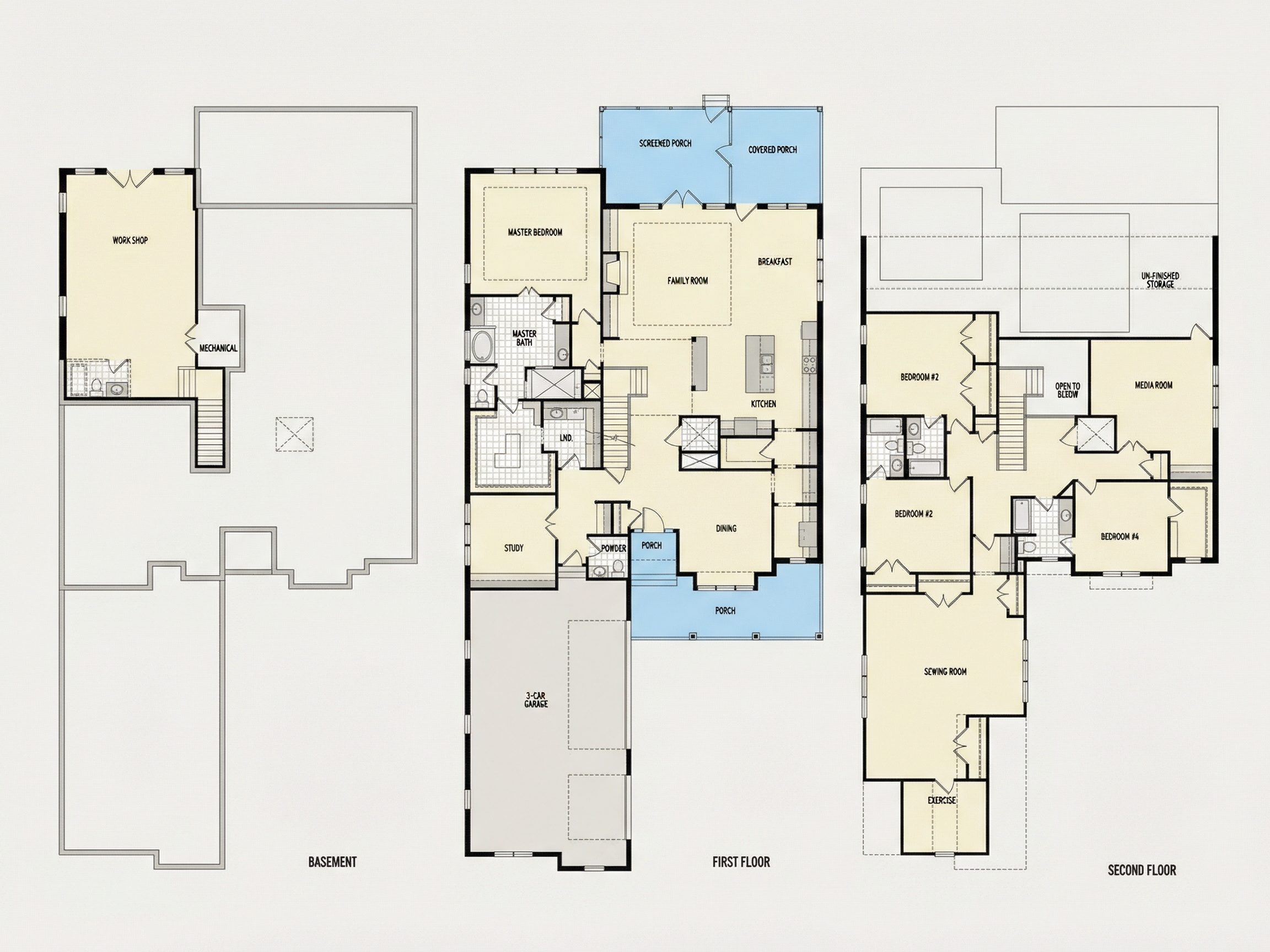
One of the biggest advantages of a Neo-Colonial plan is how it balances formality and flexibility. You get the reassuring organization of traditional planning—clear zones, intuitive circulation, and “rooms that make sense”—while still enjoying the open, connected feel many homeowners want today.
Expect an entry sequence that feels purposeful: a welcoming foyer that sets a calm tone, sightlines that don’t overexpose the entire home at once, and natural transitions into both gathering areas and quieter spaces. This planning approach is particularly appealing for families who entertain occasionally but live in their homes every day—because it supports both lifestyles without forcing compromises.
Core Living Areas: Everyday Comfort Without Losing Traditional Character
In a Traditional / Classic Suburban home plan, the “heart of the home” should feel warm, practical, and easy to maintain. This design supports that goal with a layout that encourages togetherness while still allowing separation when needed. The kitchen, dining, and family room relationship is typically designed to keep traffic flow smooth—so someone cooking isn’t cut off from conversation, and daily routines don’t collide in a narrow corridor.
Rather than relying on novelty, the plan emphasizes livable scale: rooms sized for real furniture, clear wall space for storage and art, and window placement that brings in natural light without sacrificing usable layout.
Flex Spaces: How Neo-Colonial Plans Stay Useful Over Time
Flexibility is where Neo-Colonial design shines. A Traditional exterior may suggest a purely formal interior, but modern Neo-Colonial planning typically includes at least one adaptable front-room concept—a space that can shift with your life stage. Depending on how you build and furnish it, this type of room can become:
- A dedicated home office for remote work and video calls
- A quiet reading lounge or music room
- A homework or project space that keeps clutter out of the main living area
- A formal sitting room for holidays and hosting
- A guest-friendly flex room paired with a nearby bath
This flexibility is a major reason Traditional Neo-Colonial homes remain popular: they’re not locked into a single lifestyle. The architecture stays classic, while the interior can evolve.
Bedroom Level: Private Spaces Designed for Daily Rhythm
Upstairs living in a two-story Traditional plan should feel quiet, orderly, and easy to navigate—especially during busy mornings. A well-executed plan typically clusters bedrooms in a way that reduces noise transfer and keeps bathrooms convenient without sacrificing privacy.
The primary suite in a home like this is generally designed as a true retreat: comfortable dimensions, generous closet potential, and a bath layout that supports both everyday speed and weekend relaxation. Secondary bedrooms are sized to be genuinely usable—not just “technically bedrooms”—and the overall arrangement aims to keep the home feeling spacious without wasted square footage.
Why This Style Works: Traditional / Classic Suburban + Neo-Colonial
Some home styles feel dated when trends change. Traditional Neo-Colonial is different. It’s built on design fundamentals—proportion, symmetry, material honesty, and a recognizable American residential language. That’s why it performs so well across regions and communities. With a Colonial Brick influence, the exterior reads as stable and refined, while the stone accents and siding introduce a slightly more updated, curated finish.
If you want a home that feels established on day one—like it belongs—this is the type of plan that accomplishes it.
Key Selling Points Buyers Notice Immediately
- Classic curb appeal that fits a wide range of neighborhoods
- Brick-and-stone exterior with high perceived value
- Balanced two-story massing with a strong, composed presence
- Shuttered windows and Traditional trim for an authentic Neo-Colonial look
- Flexible interior planning that supports work-from-home and changing family needs
- Builder-friendly rooflines that avoid overly complex geometry
Construction & Performance Considerations
Because this plan uses familiar materials and a proven Traditional form, it’s often a practical choice for construction. Brick and stone veneer are widely supported by standard building practices, and lap siding sections are straightforward to detail at transitions. The gabled roof form typically supports good drainage and clear attic/roof framing strategies.
For homeowners thinking about comfort and efficiency, Traditional plans like this also lend themselves well to modern building envelopes: quality insulation, thoughtful air sealing, and high-performance windows that preserve the classic façade. Many builders and homeowners like to review best practices for durable wall assemblies and detailing—resources like Fine Homebuilding’s insulation guides can be helpful for understanding performance decisions during construction.
Ideal For: Who This Traditional Neo-Colonial Plan Fits Best
This design tends to be a strong match for homeowners who want a timeless exterior with an interior that can feel both structured and open depending on finishes and furniture layout. It’s especially well suited for:
- Families who want clear zones for living, working, and sleeping
- Buyers who prefer brick-forward curb appeal over trend-driven façades
- Homeowners who value symmetry and classic detailing
- Anyone planning to stay long-term and wants a style that won’t feel “dated” quickly
- Those who want flex rooms for office, hobbies, or multi-purpose use
Customization Ideas That Preserve the Traditional Look
Neo-Colonial plans are popular partly because they’re easy to personalize without undermining the style. If you’re considering modifications, these options typically maintain the Traditional / Classic Suburban character while improving fit for your lifestyle:
- Entry refinement: upgrade column proportions or add a slightly deeper covered entry for more presence.
- Kitchen adjustments: enlarge the island, add a scullery-style pantry, or increase cabinet wall length while keeping circulation smooth.
- Window tuning: add transoms or adjust window groupings to increase light while preserving symmetry.
- Outdoor living: add a rear covered porch or screened porch designed to match roof pitch and trim language.
- Bedroom configuration: convert one bedroom to a bonus/media room or add built-in storage for long-term usefulness.
The goal with Traditional design is to keep changes cohesive—matching rooflines, trim, and window proportions so the house still reads as a unified Neo-Colonial composition from the street.
What You Receive: Plan Package Highlights
This plan is ideal for builders and homeowners who want files they can use confidently during estimating, permitting, and construction. Typical deliverables include:
- CAD + PDF plan files for planning, coordination, and builder workflows
- Unlimited build license for repeat builds (where applicable to your purchase)
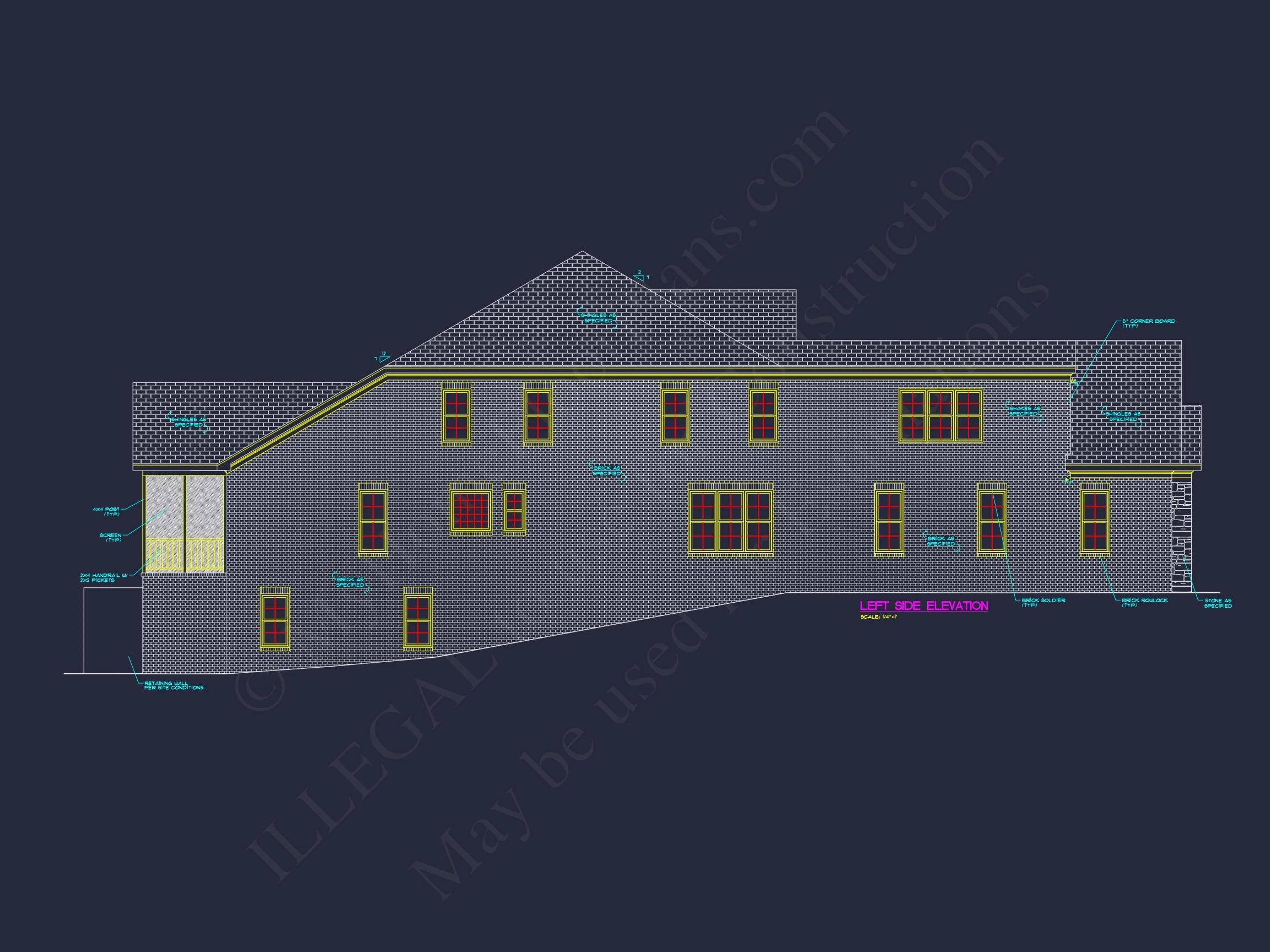
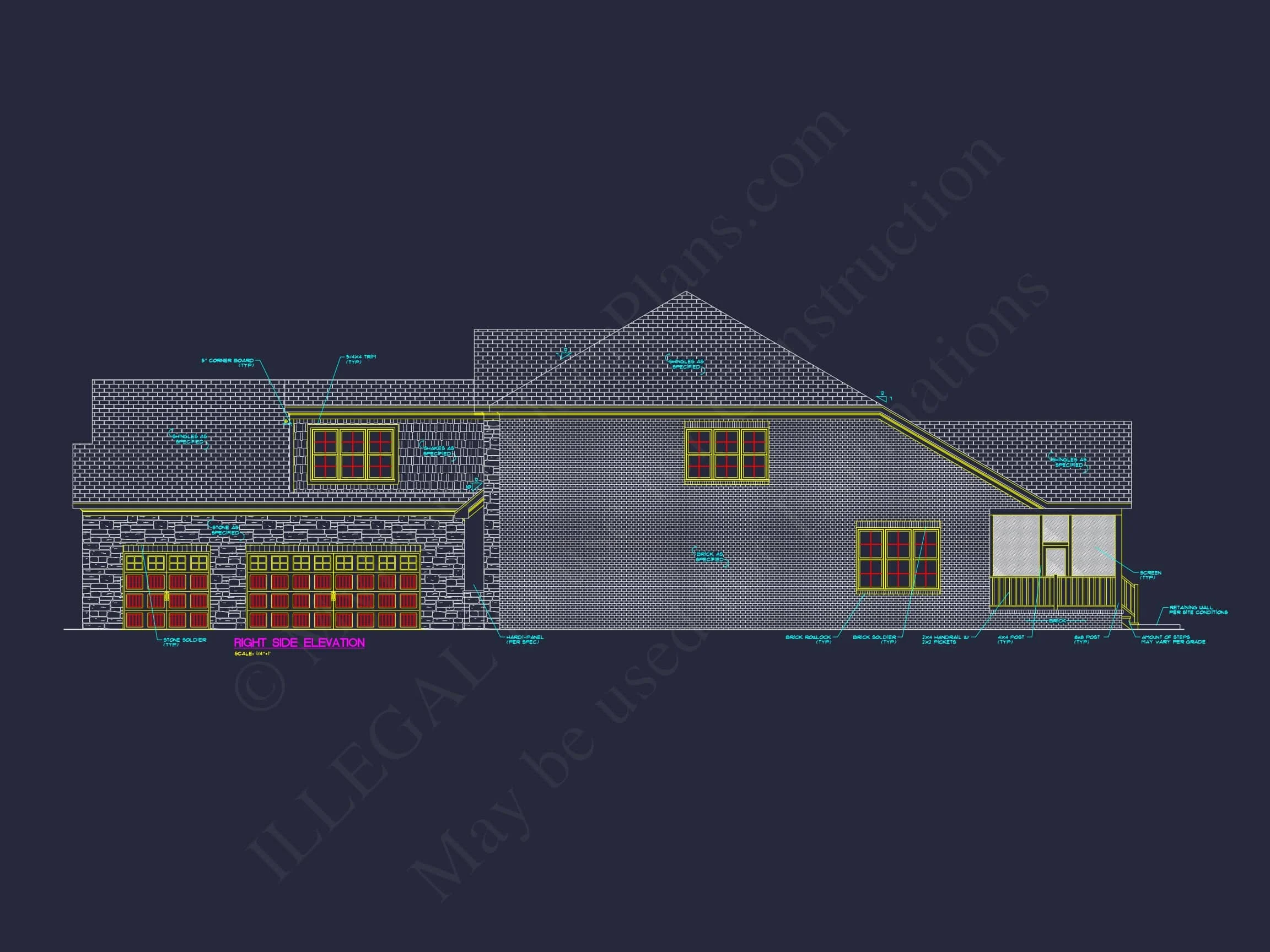
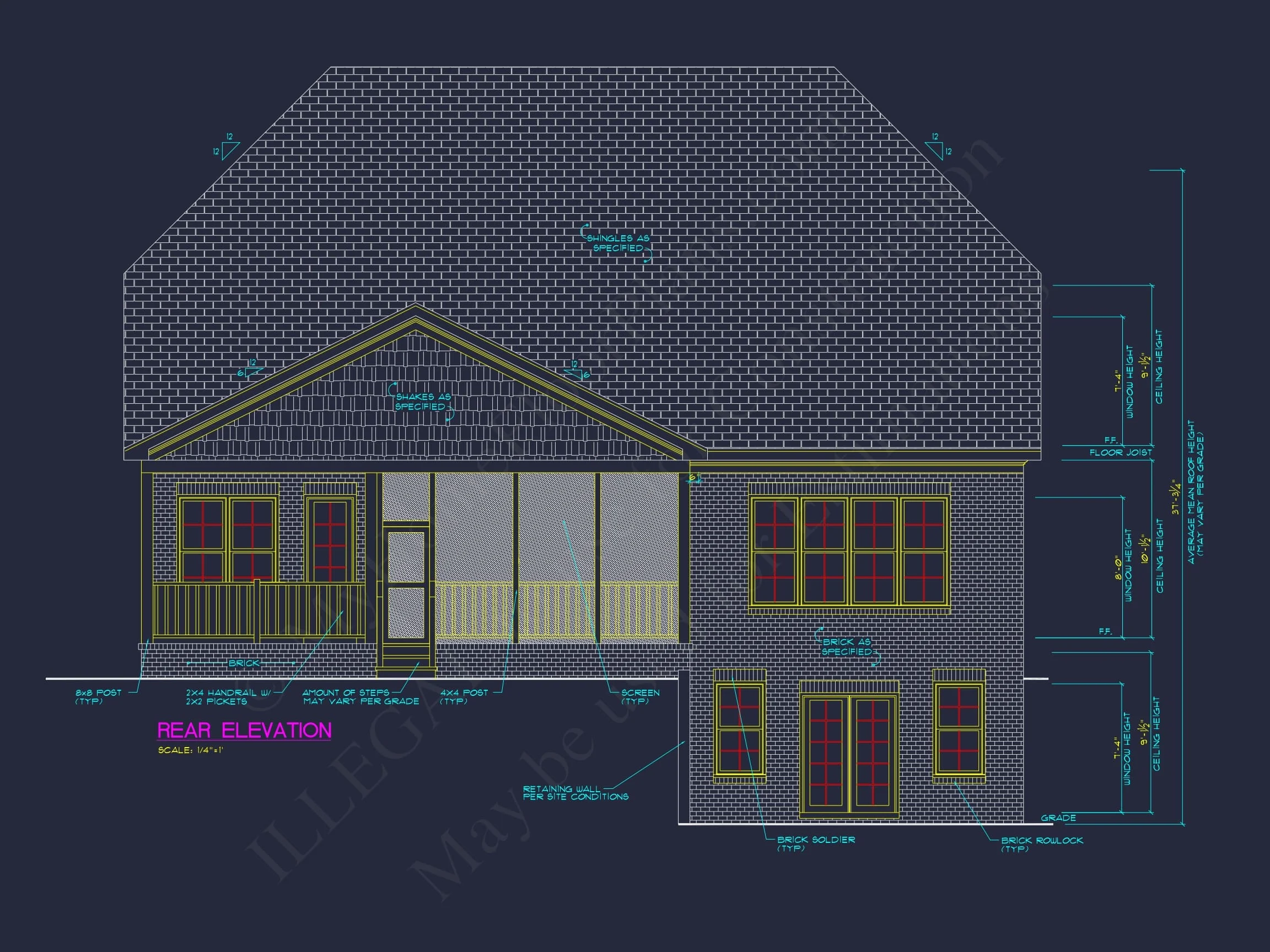
- Clear exterior elevations to communicate the brick, stone veneer, and lap siding composition
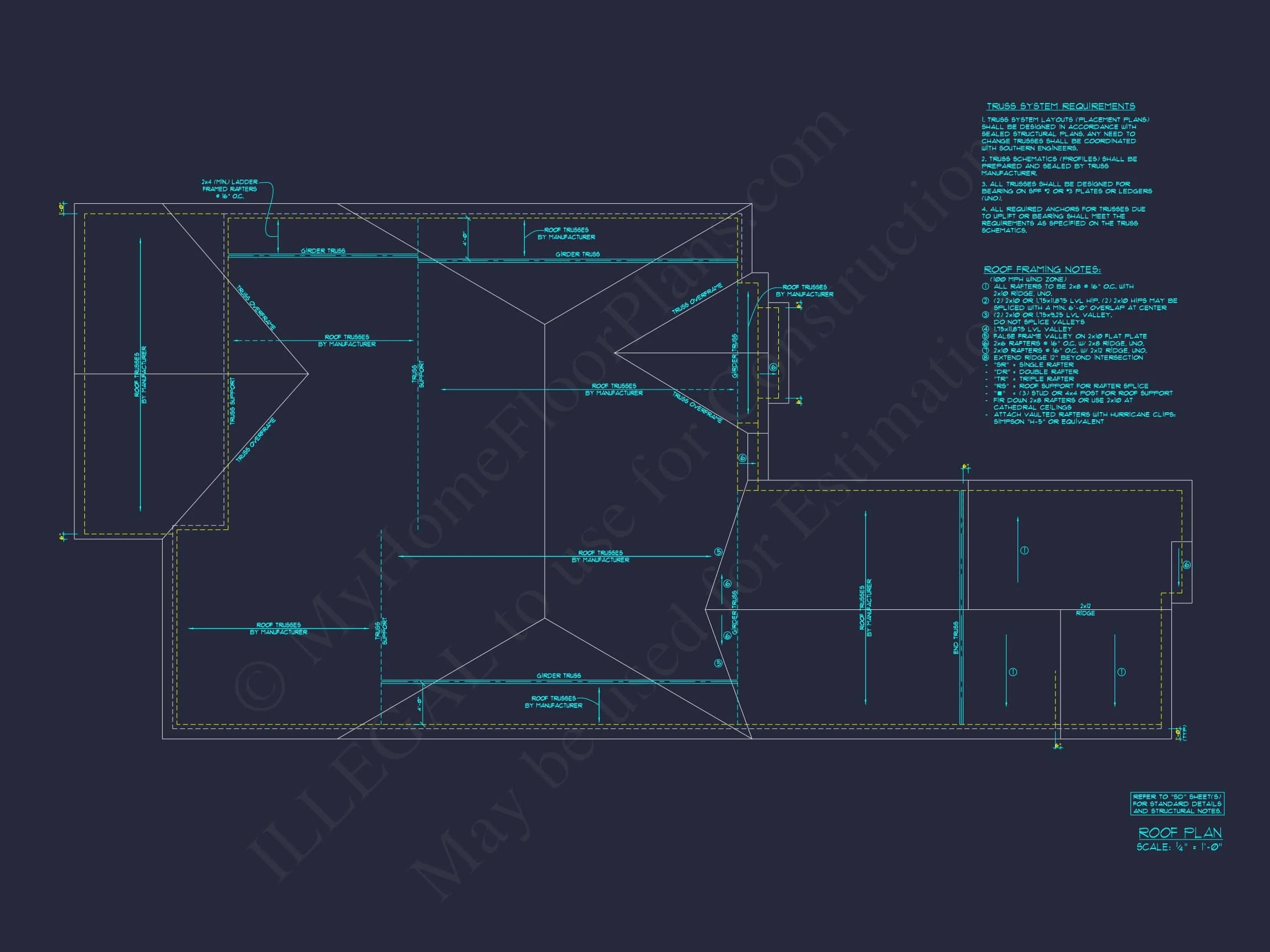
- Roof geometry and structural coordination designed to support a Traditional silhouette
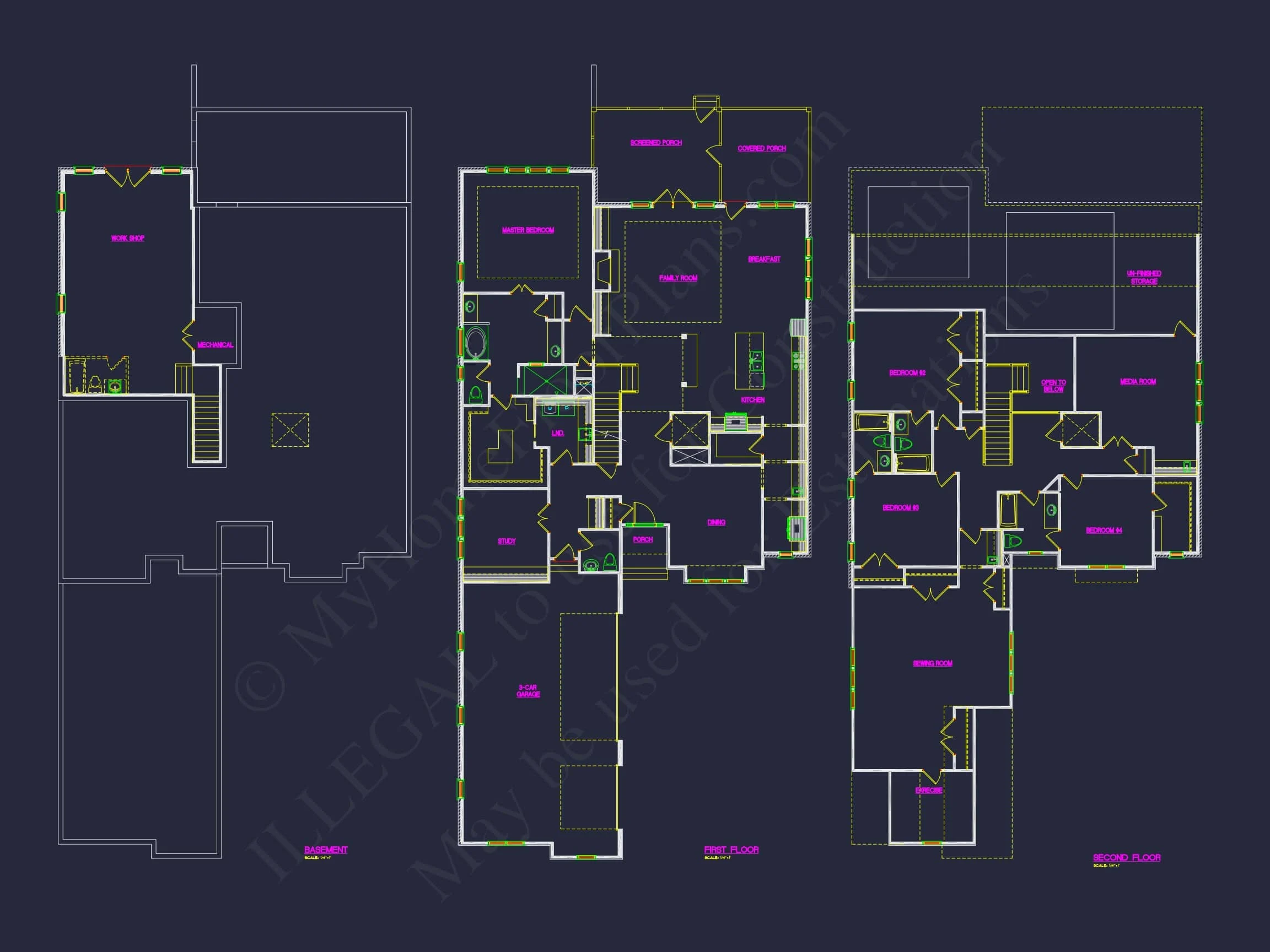
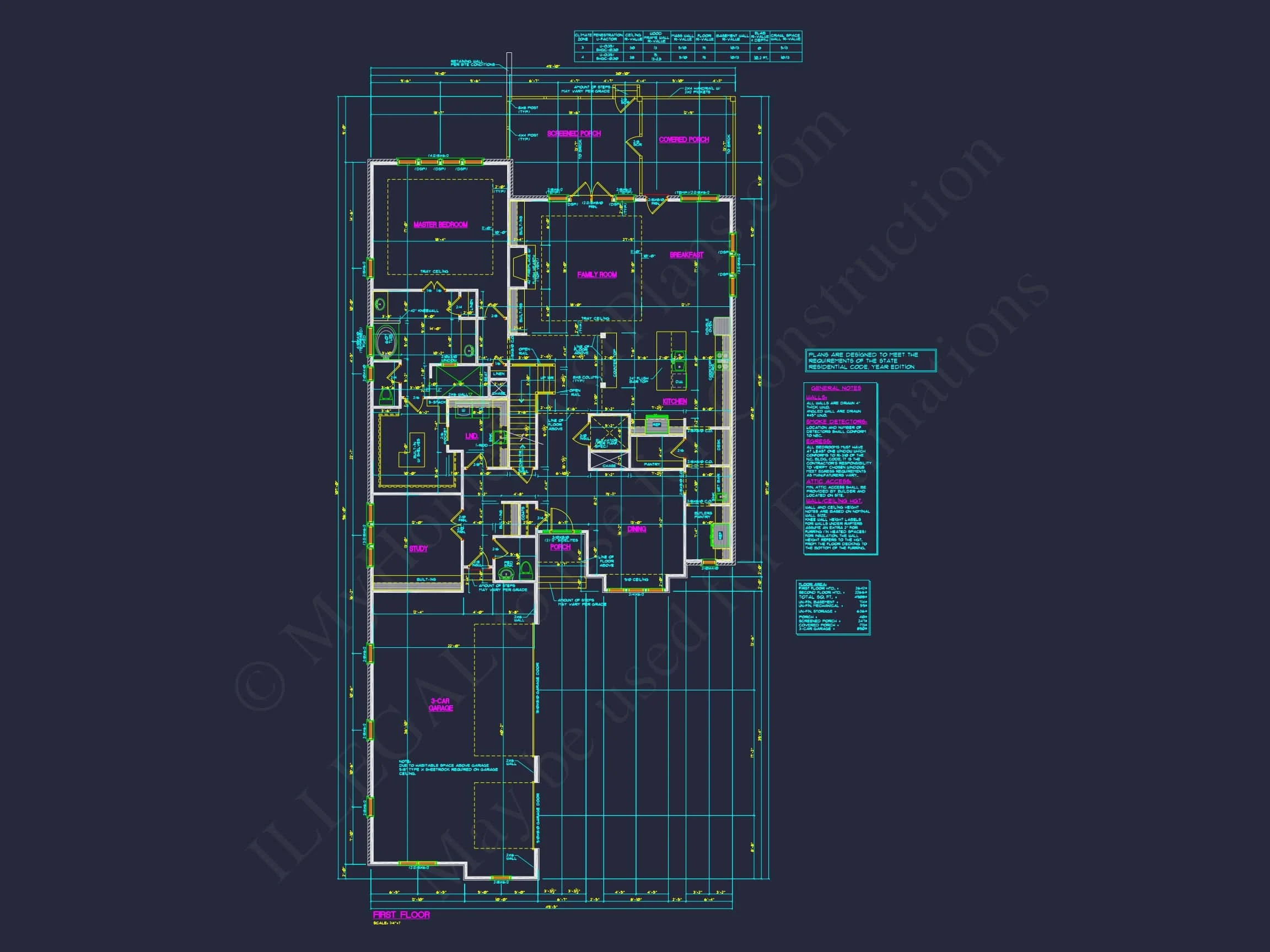
- Room-by-room planning clarity that helps avoid surprises on site
SEO-Friendly Feature Summary
- Traditional / Classic Suburban curb appeal with Neo-Colonial symmetry
- Brick exterior with stone veneer accents and lap siding details
- Two-story gabled roof profile with classic shutters
- Flexible interior planning for modern living and working
- Designed to remain timeless across changing design trends
Frequently Asked Questions
Is this more Traditional or more Colonial? The exterior leans Traditional / Classic Suburban with a strong Neo-Colonial influence, especially in the balanced façade and shuttered window language. The brick-forward finish gives it a clear Colonial Brick feel without locking it into a strict historic replica.
Can I change the exterior materials? Yes. Many homeowners keep brick as the primary material and adjust the stone veneer profile or expand the lap siding areas for a slightly lighter look. The key is maintaining proportion and symmetry so the home still reads as Neo-Colonial.
Will this style fit different regions? Traditional Neo-Colonial design performs well across many U.S. regions because it relies on classic massing and widely accepted materials. Your builder can adapt details like brick color, mortar tone, and trim profile to match local preferences.
How do I keep the exterior from feeling too heavy? Use contrast wisely: lighter trim, carefully chosen brick tone, and a stone veneer that complements rather than competes. Lap siding areas also help break up masonry and keep the elevation visually balanced.
What interior finishes pair best with this exterior? Timeless finishes—warm neutrals, classic millwork profiles, and durable flooring—pair naturally with a Traditional Neo-Colonial envelope. You can lean more “classic” with paneled doors and crown molding, or more “updated” with cleaner trim and modern lighting while keeping the architecture Traditional.
Build with Confidence in a Style That Lasts
A home should feel welcoming every time you pull into the driveway. This Traditional Neo-Colonial plan does that through proven design fundamentals: a brick-and-stone exterior that reads as established and refined, balanced two-story proportions, and an interior approach that supports the way people actually live today. If you want the reliability of a Traditional / Classic Suburban silhouette with the polish of Neo-Colonial symmetry, this plan is a strong foundation for a home you’ll be proud of for decades.
Plan 14-1433 – Fairview | Traditional Neo-Colonial – 4-Bed, 4.5-Bath, 4,908 SF
- BOTH a PDF and CAD file (sent to the email provided/a copy of the downloadable files will be in your account here)
- PDF – Easily printable at any local print shop
- CAD Files – Delivered in AutoCAD format. Required for structural engineering and very helpful for modifications.
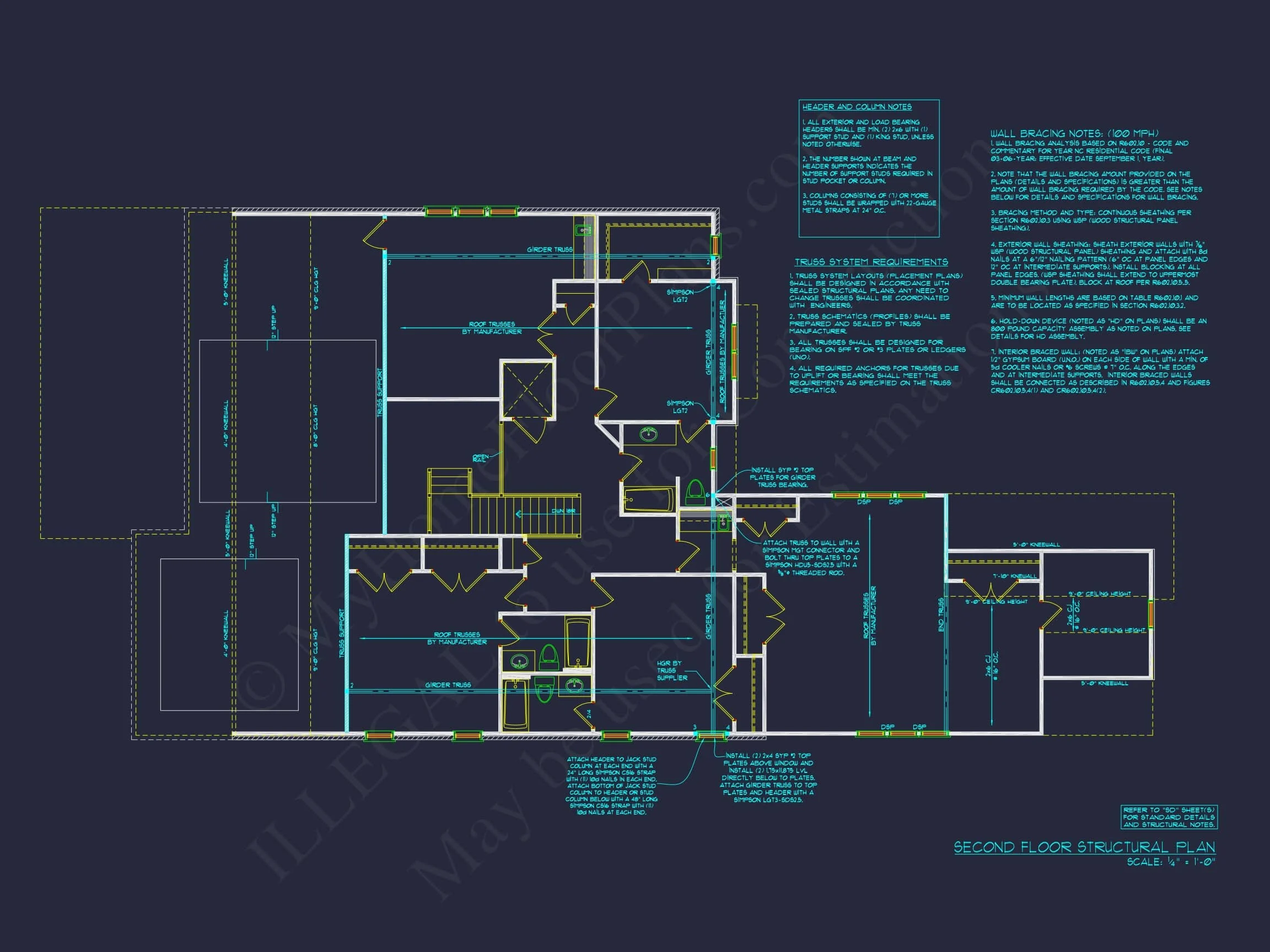
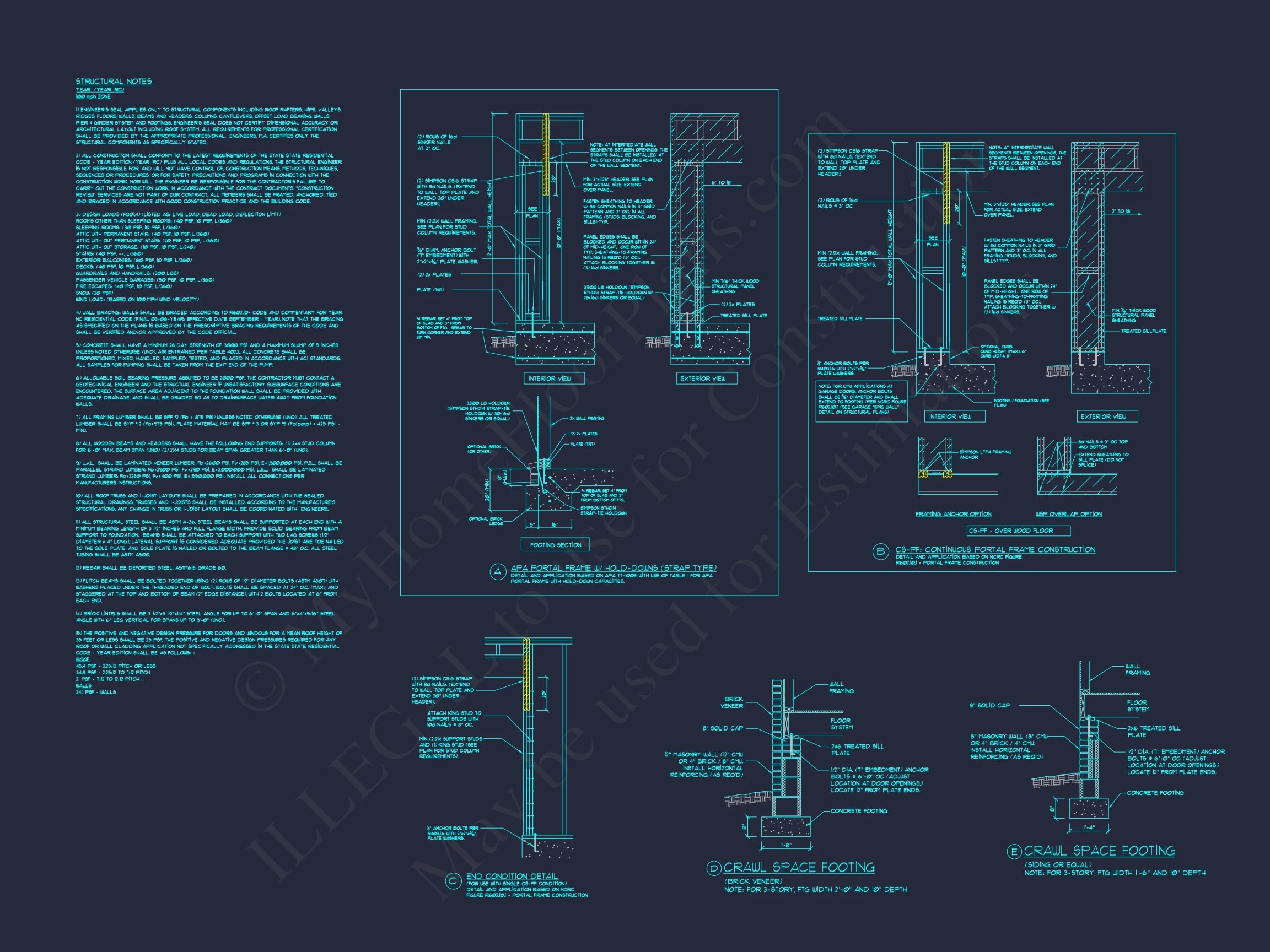
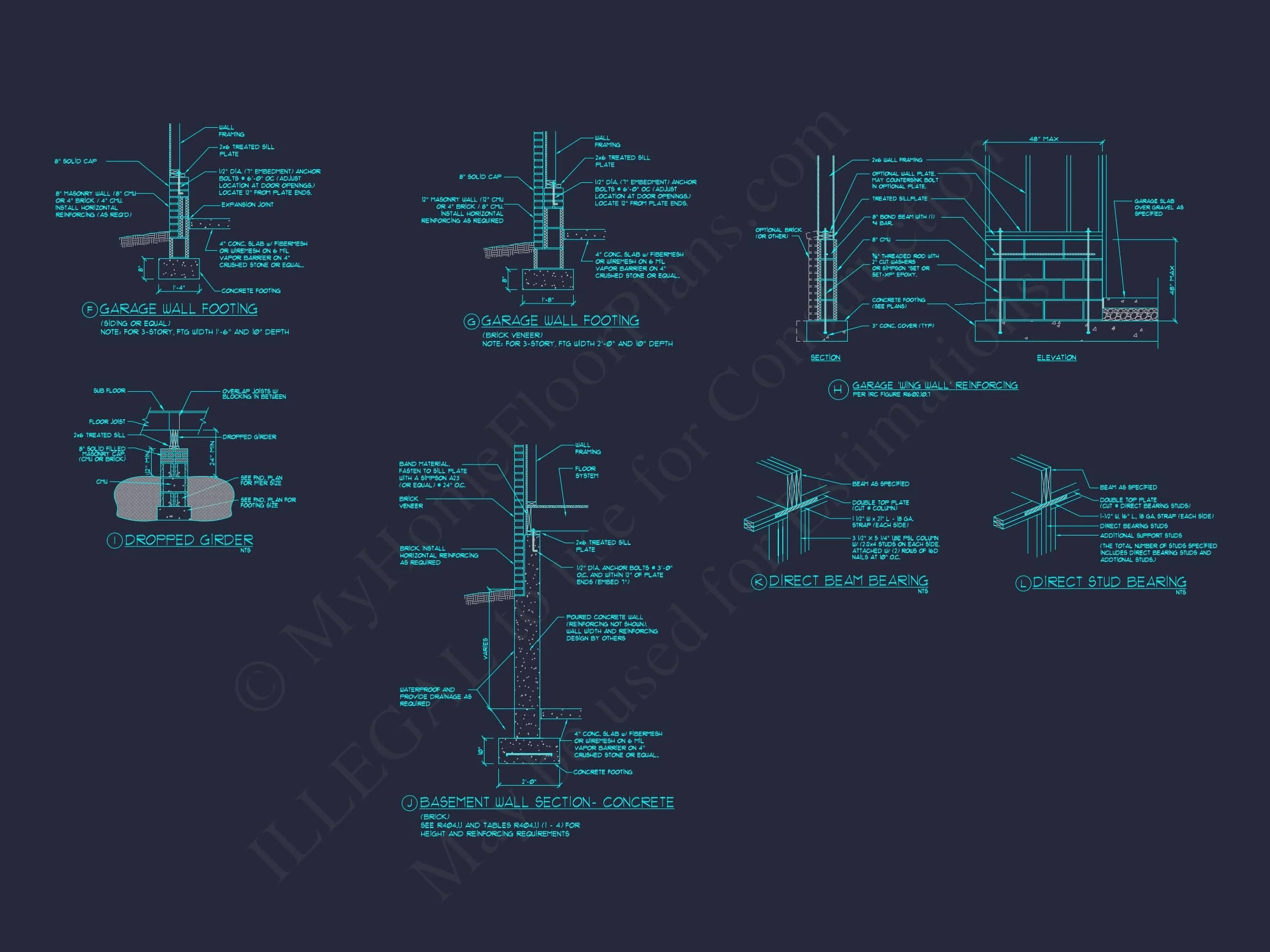
- Structural Engineering – Included with every plan unless not shown in the product images. Very helpful and reduces engineering time dramatically for any state. *All plans must be approved by engineer licensed in state of build*
Disclaimer
Verify dimensions, square footage, and description against product images before purchase. Currently, most attributes were extracted with AI and have not been manually reviewed.
My Home Floor Plans, Inc. does not assume liability for any deviations in the plans. All information must be confirmed by your contractor prior to construction. Dimensions govern over scale.